
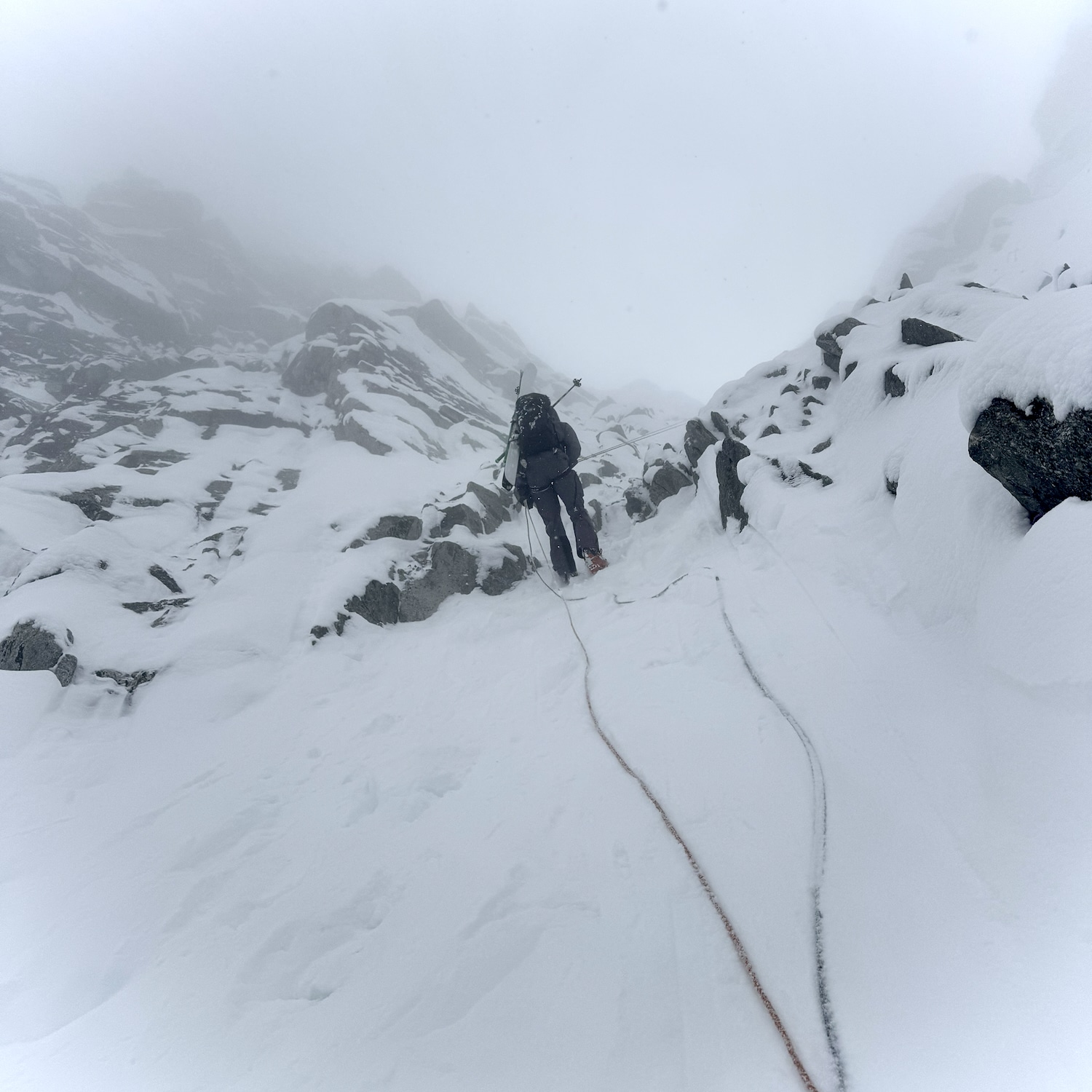
It’s been a bit since we’ve covered technical ski gear–in an ever-changing landscape, I figure it’s about time for an update. Ropes and tethers are the biggest space for an update, maybe with a few other bits thrown in as well.
Ropes:
Perhaps the biggest change in the ski rappelling landscape is the ever-growing availability of rope options. We wrote about the Glacier Black Poliwog in April 2025; it is still my go-to recommendation for a light, durable, affordable, high-performance option. Not much more to say on the Poliwog; it is excellent.
Meanwhile, the folks behind one of my favorite YouTube channels, HowNot2, have launched a whole line of high-performance accessory cords. This is a good reminder for me to reach out to try some out, but the 5mm and 6mm Arete Armadillo cords look pretty darn nice with a HMPE/Vectran sheath and 100% HMPE core. They also have a 100% HMPE cord, similar to the Pur line, which I still don’t think is a great ski rope. Lastly, their Alligator Poly/HMPE cord resembles the Edelrid 4mm tag line in construction. The 6mm is a bit lighter than Poliwog with similar strength numbers and price, but likely a bit less abrasion resistance. All these options for materials and diameters make for a somewhat overwhelming but very cool landscape.
Last but not least, I’ve heard rumors of some French, Petzl-sponsored skiers using and liking the new 7.5mm caving rope from Petzl as a workhorse for rocky and more abrasive/edgy terrain. If nothing else, it’s an important reminder that we take on added risk as we lighten and shrink the diameter of our ropes: low-abrasion, mostly snowy rappels, plus extra care not to swing along edges, bounce, etc. When that sort of thing is unavoidable, some of the best in the world choose to carry extra weight for added margin—food for thought.
Tethers:
We also covered a grip of Zartman Rigging products last winter–these continue to be pretty awesome, but pretty pricey. I’ve gotten a lot of use from the double-length runner as a rappel tether, as well as the spliced PAS cord, but rather than using the RPL device, I’ve been using the Petzl connect adjust hardware and an SM’d twistlock carabiner. I’ve always wanted a light, reliable connect adjust cord, but this cord from Zartman is the first that has reliably grabbed for me. Bravo.
If the Zartman sling catches your eye but the price isn’t right, Black Diamond’s Infinity cord should be on the radar. Despite different construction, the BD uses many wraps of Dyneema yarn, while the Zartman is a doubled spliced loop; in use, they are extremely similar and both excellent. It seems like the Infinity sling has taken over the place once occupied by the Edelrid Aramid cord slings that were all the rage 5-6 years ago. They are super light and pack down small, plus they have a minimal seam that doesn’t interfere with knots and things.
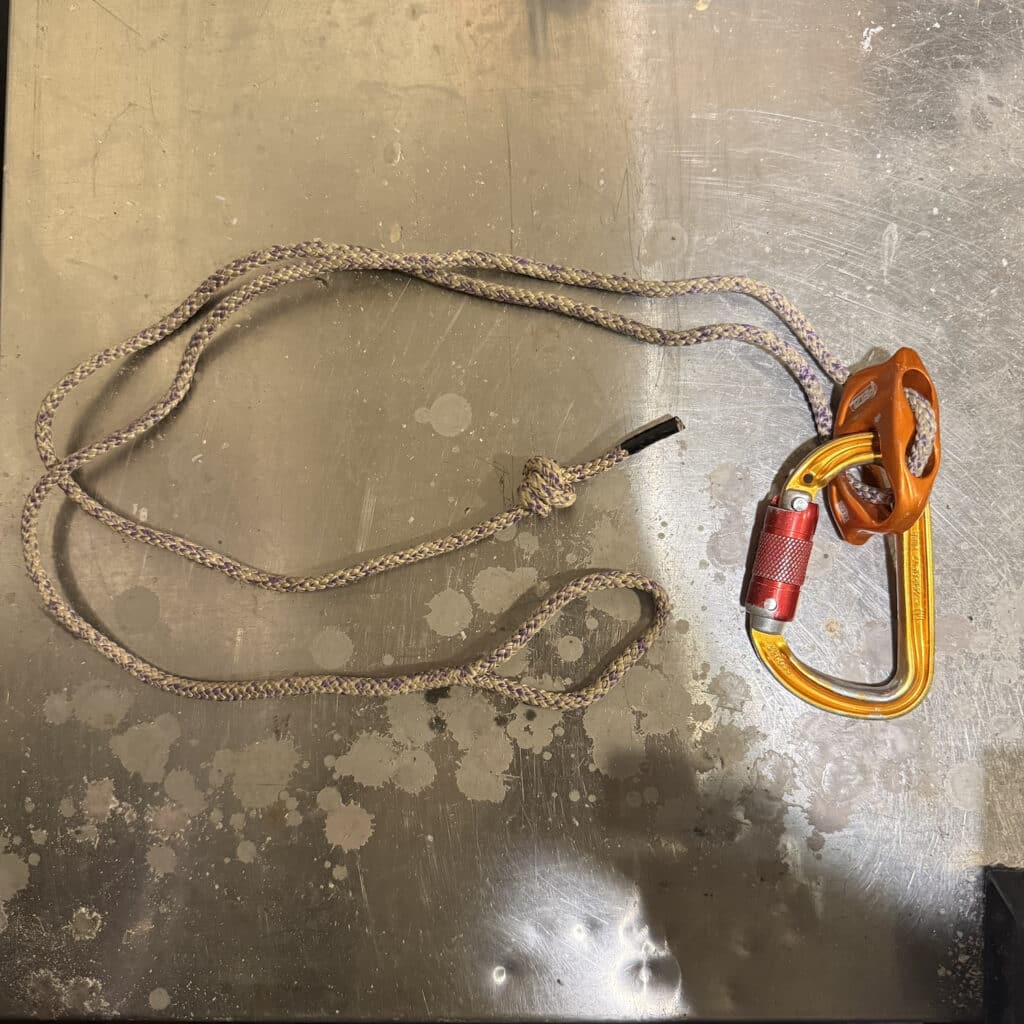
I sometimes laugh at the absurdity of all this tether-talk. I’m as guilty as anyone–in the summer I carry a Blue Ice alpine runner on the Grand Teton despite the racks we are provided at work having a normal Dyneema double-length runner included. All to say, a Dyneema double-length runner is a pretty darn good tether; I like Mammut and Blue Ice. The fancy ones are a bit easier to untie post-rappel… that’s the only meaningful benefit I can come up with.
Other stuff:
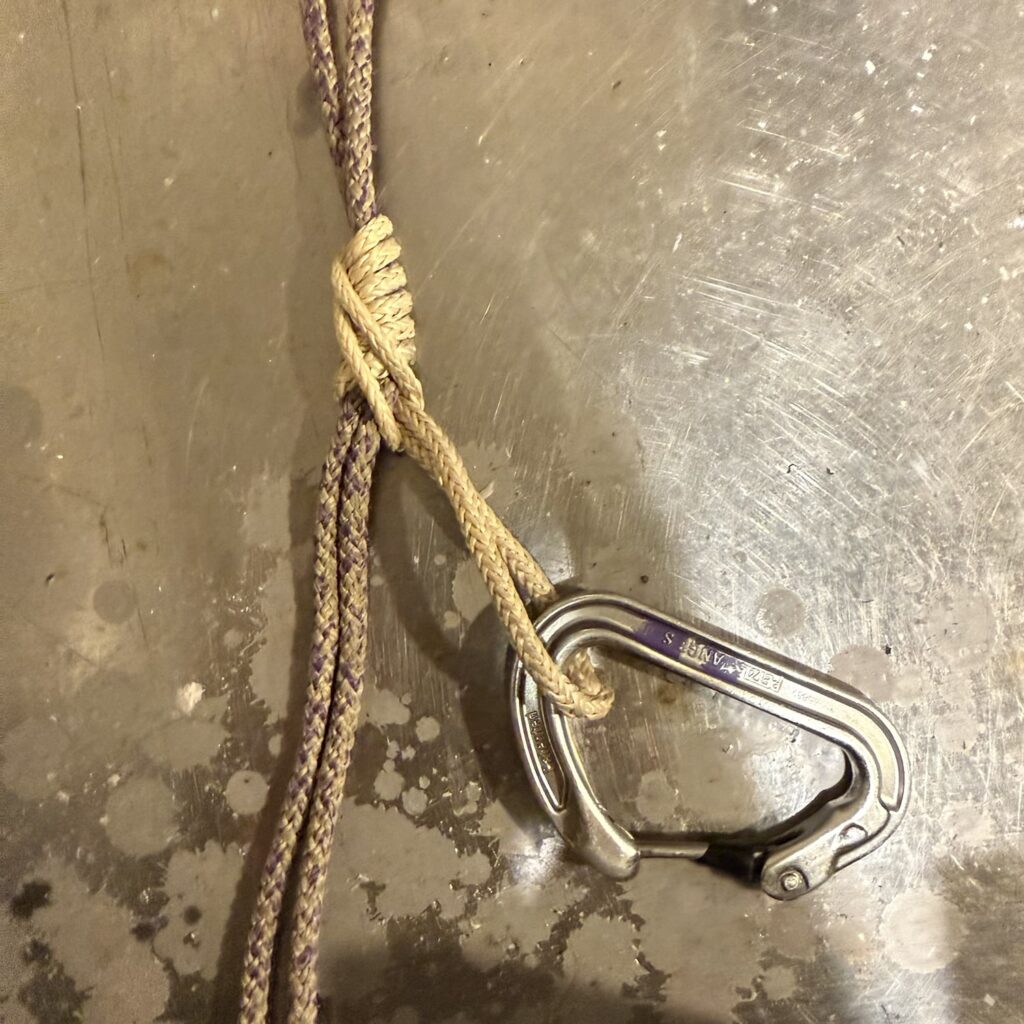
I’m still making myself and some friends a spliced 4mm Vectran loop for a friction hitch. That works well. I bet the Ropelite Vectran hitch cord works pretty well too. Normal friction hitches like the hollowblock still don’t work that well.
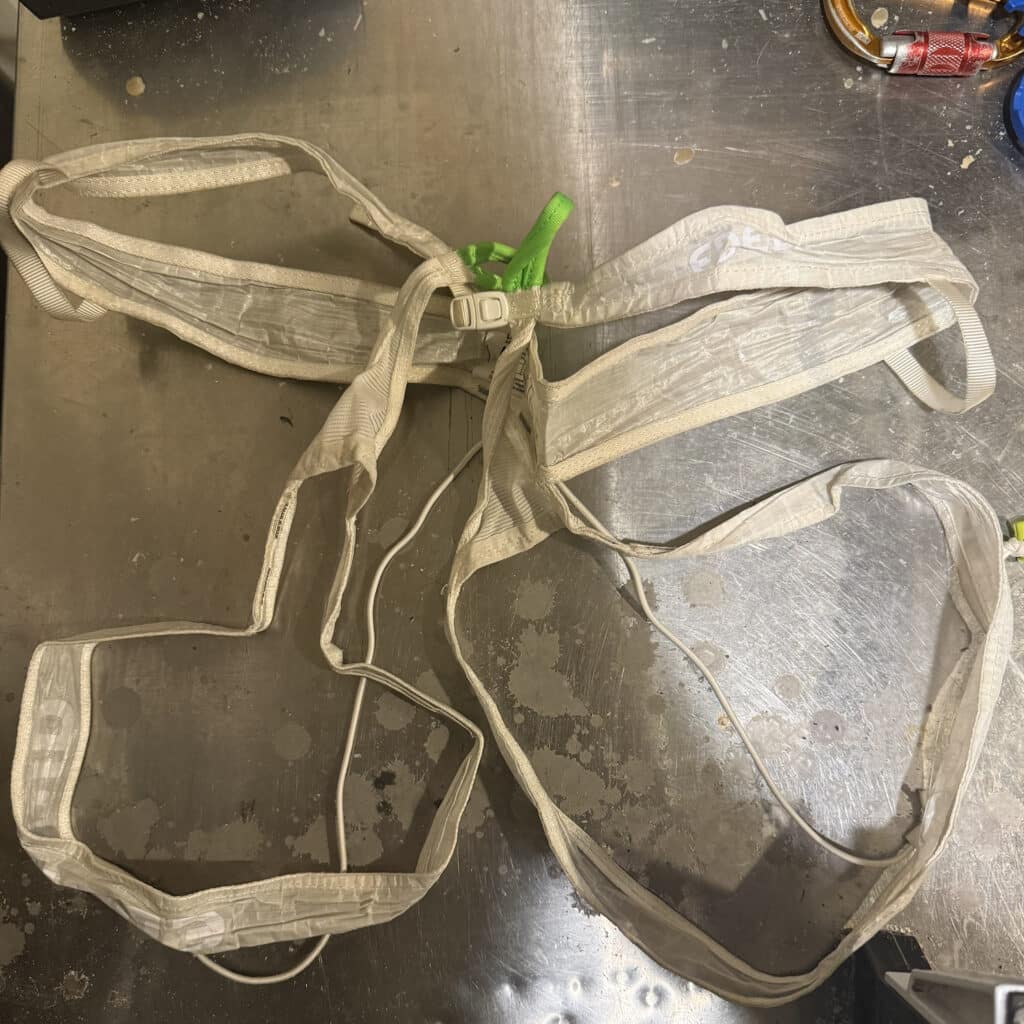
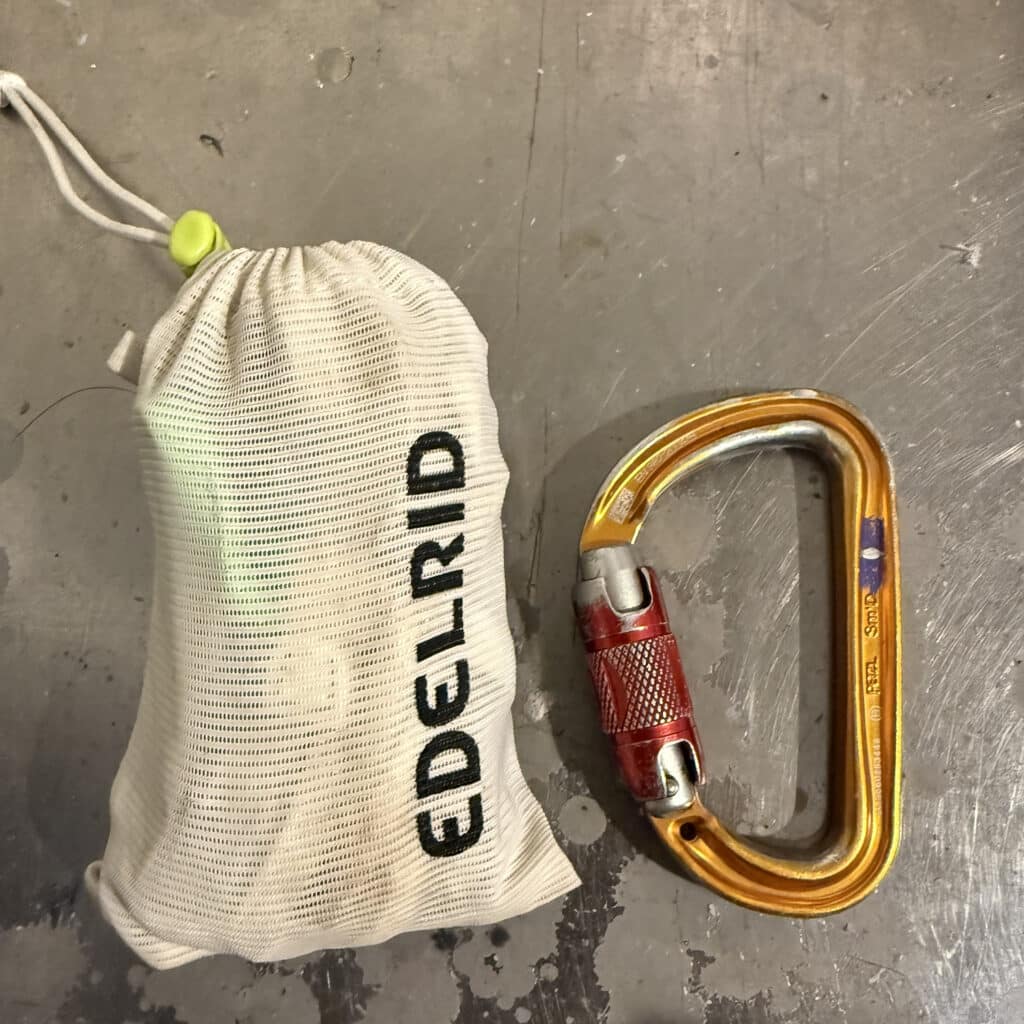
The harness scene hasn’t changed much in the past few years, though I used a pretty cool prototype harness on an expedition this spring that will shake things up when it is released. More to come on that… Meanwhile, I tried a very light Edelrid harness called the Loopo Air (about 50g for a size Medium). It has DCF Hybrid fabric with load-bearing edges similar to the Blue Ice Choucas Light or Petzl Fly. Notably, the leg loops don’t open, so you may consider donning this harness before ski boots and certainly before crampons or skis. Maybe this makes sense in the Alps, maybe I’ll use it for skimo racing, but an extra 40g for a Choucas Light is a pretty easy sell.
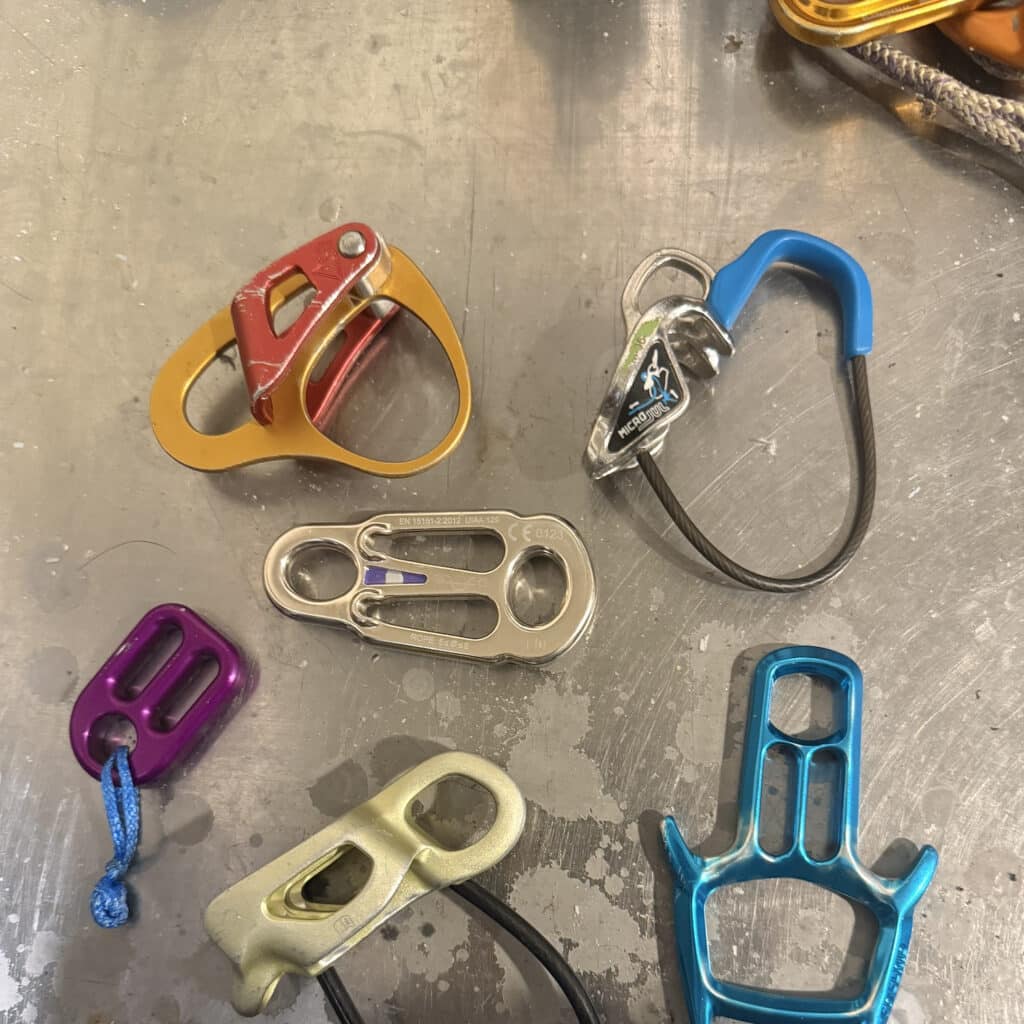
The Reversino continues to be the best all-around rappel device for skinny ropes. For double-strand duty, it seems the Edelrid NanoJul has a bit too much friction and binds up with the tight steel teeth–maybe a Dremel tool could mitigate this. The Zartman RPL has adequate friction and is quite light; I’ve been bringing it when I’m trying to really minimize my kit and/or am unlikely to rappel a lot. The dropping hazard is a thing, though, so it’s not my top choice for many rappels in heavy gloves. For available options, that brings me back to the Edelrid Mago 8 or BD ATC Alpine for most general use.




Leave a Reply
You must be logged in to post a comment.