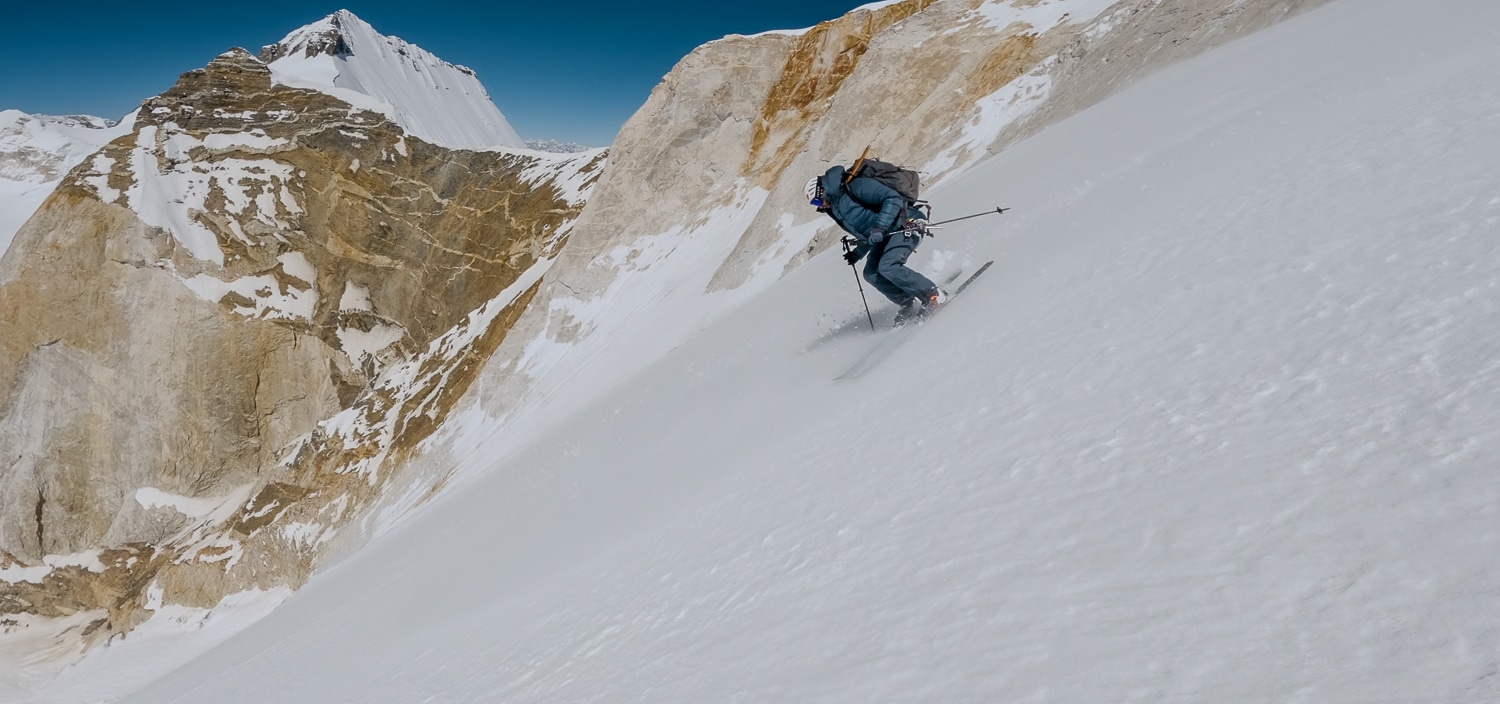
Back in the early aughts, Patagonia popularized the ultralight wind shell. The Houdini. That jacket, which is still produced, and the many ultralight wind shells from solid brands that followed are useful tools for cutting wind on low-to-no-precip days. Come spring, ultralight windbreakers are a staple for weight-conscious ski/ride tourists when conditions warrant a hardshell…
First Look: Stellar Aerolight Wind Jacket
A balance between wind protection and airflow: Stellar Equipment’s new Aerolight Wind Jacket is a problem-solving jacket for those dry, windy, and uptempo days.
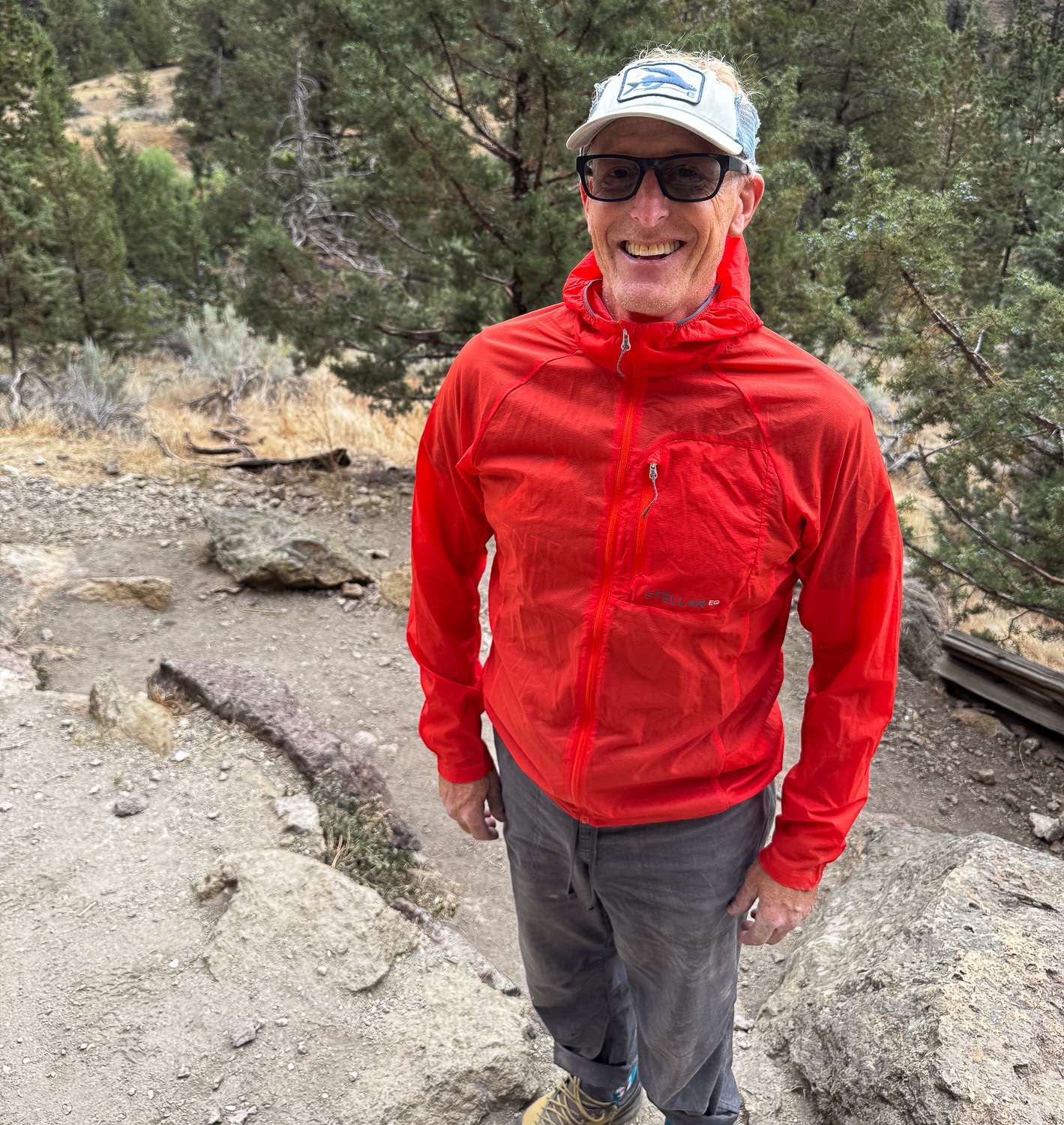
At 5’10” and ~160 lbs, the medium Aerolight Wind Jacket is a comfy fit that does not hinder mobility.
Help us grow. Share it.
Responses
-
Alex Hatcher
Another similar option is the Arc Incendo Airshell. It’s got that same “gridded” interior fabric, on a windshell type jacket in order to theoretically prevent too much clammy feeling. Can be found for pretty cheap (unlike the Houdini Air which can’t be found at all).
-
Barry
Wish someone else would give Patagonia some competition in the Airshed / ~60CFM space. Or they could do it themselves, I find the old non-Pro version to be much better for winter use so would be super happy if they brought that back. I do prefer the current Pro version that has a knit hood and forearms for early morning summer runs and big alpine runs in the fall but in the winter I want the wind-cutting Airshed fabric on my forearms and the knit hood is superfluous over a hooded base layer.
For me a wind shell is something that stops the wind completely and something I only wear when not moving. I’ve taken to calling the Airshed a wind shirt and would rather it have a very high level of air permeability, I’m going to wear it all day and I just want it to block more wind than a fleece or knit base layer would. The Nano Air uses a very similar fabric to the Airshed so I think of the Airshed + a baselayer as a Nano Air Ultra-Ultralight which is usually perfect when I’m moving fast uphill. By adjusting the thickness of the base layer I can have something that works for skinning in 10 or 20 or 30 degree temps. I still always have either a wind shell or a hard shell in my pack for when I stop or if it gets really stormy or for skiing down on a balmy day.
Active insulation side track: on a normal ski day I put on a Nano Air or Proton up top for the ski down. The extra insulation is the perfect balance when I’m no longer working to get uphill but the high breathability means that any sweat that accumulated on the uphill has a chance to dry. The old adage about bringing a second base layer no longer applies as long as I’m wearing a synthetic base layer since within a couple minutes it will largely dry out this way.
Helmet compatible hood side track: in the last couple of years I’ve replaced my Houdini with a Mammut Aenergy WB jacket and my Nano Air with an Arc’teryx Proton jacket because unlike the Patagonia options they both have helmet compatible hoods. Being able to add / remove a hood over the helmet is such a great way to quickly make small adjustments to insulation level when conditions are variable.
Arc’teryx has been super inconsistent with the fabrics they’ve used in the Squamish and Incendo jackets / pullovers over the years. Some Squamish versions have been fairly air permeable and others have been a full on wind shell. I think the Incendo has always been more air permeable than the Squamish but same story. So it’s important to test those before buying.
As long as you already have a piece of clothing whose air permeability you like it’s pretty easy to accurately test relative CFM. Just cover your mouth with the fabric, make sure the sides are sealed, and see how hard it is to blow through. I can’t blow air through a Houdini at all while the Airshed is pretty easy to blow through and everything Arc’teryx has made lands in between. Pretty sure you can reliably distinguish a 10CFM difference this way. At any rate nice to know you won’t end up a soggy piece of bread in a zip lock bag when skinning before you buy.
Latest Features
-

Boris Langenstein on the first ski descent of India’s Meru Central. Photo: Tiphaine Duperier
A First Descent on India’s Meru Central
Tiphaine Dupérier and Boris Langenstein pull off another small-scale big-mountain descent.
-
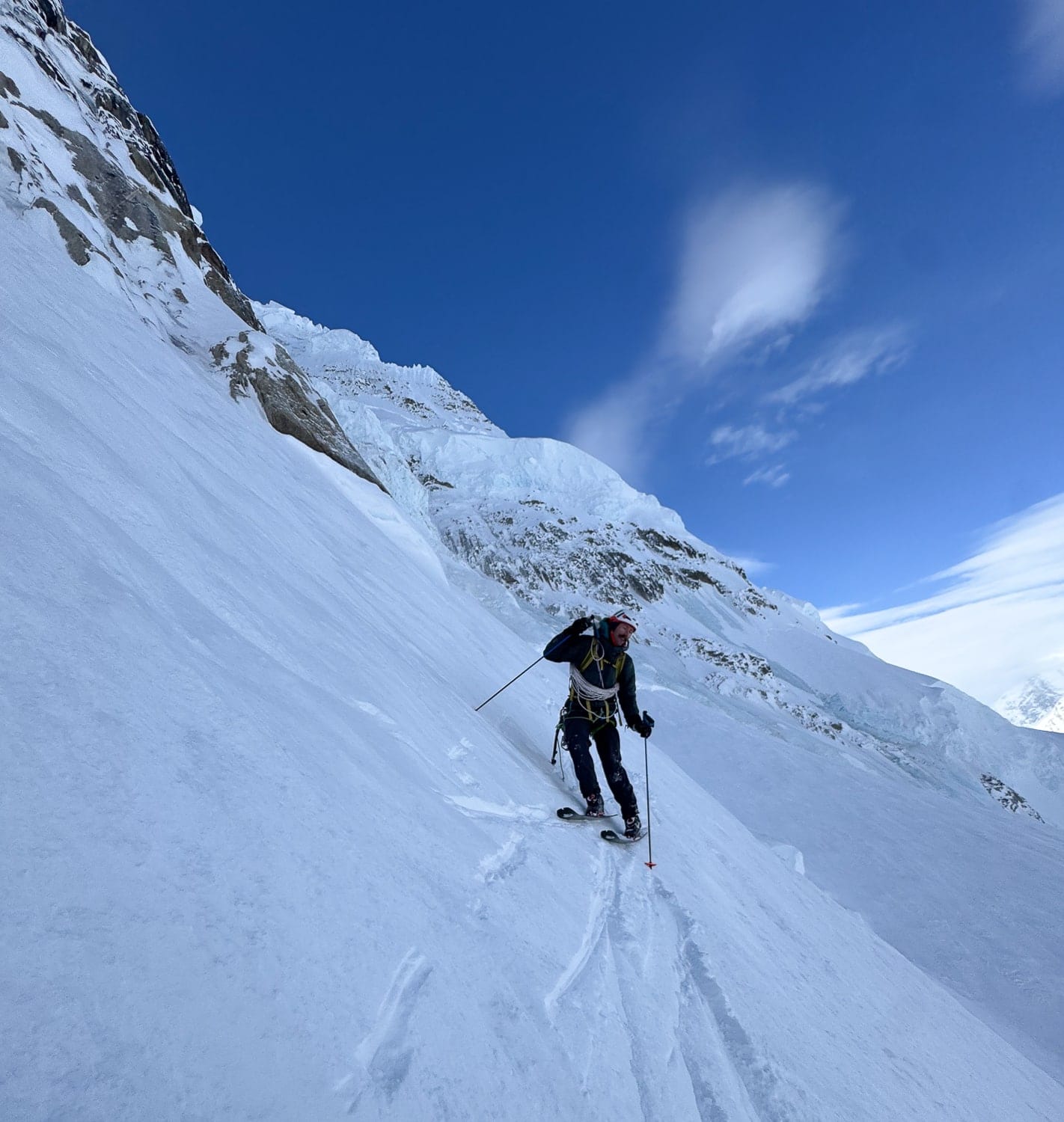
Ryan Griffiths, somewhere cold. Photo: Aidan Whitelaw
The High Route Podcast
The Progression Episode with Ryan Griffiths
-
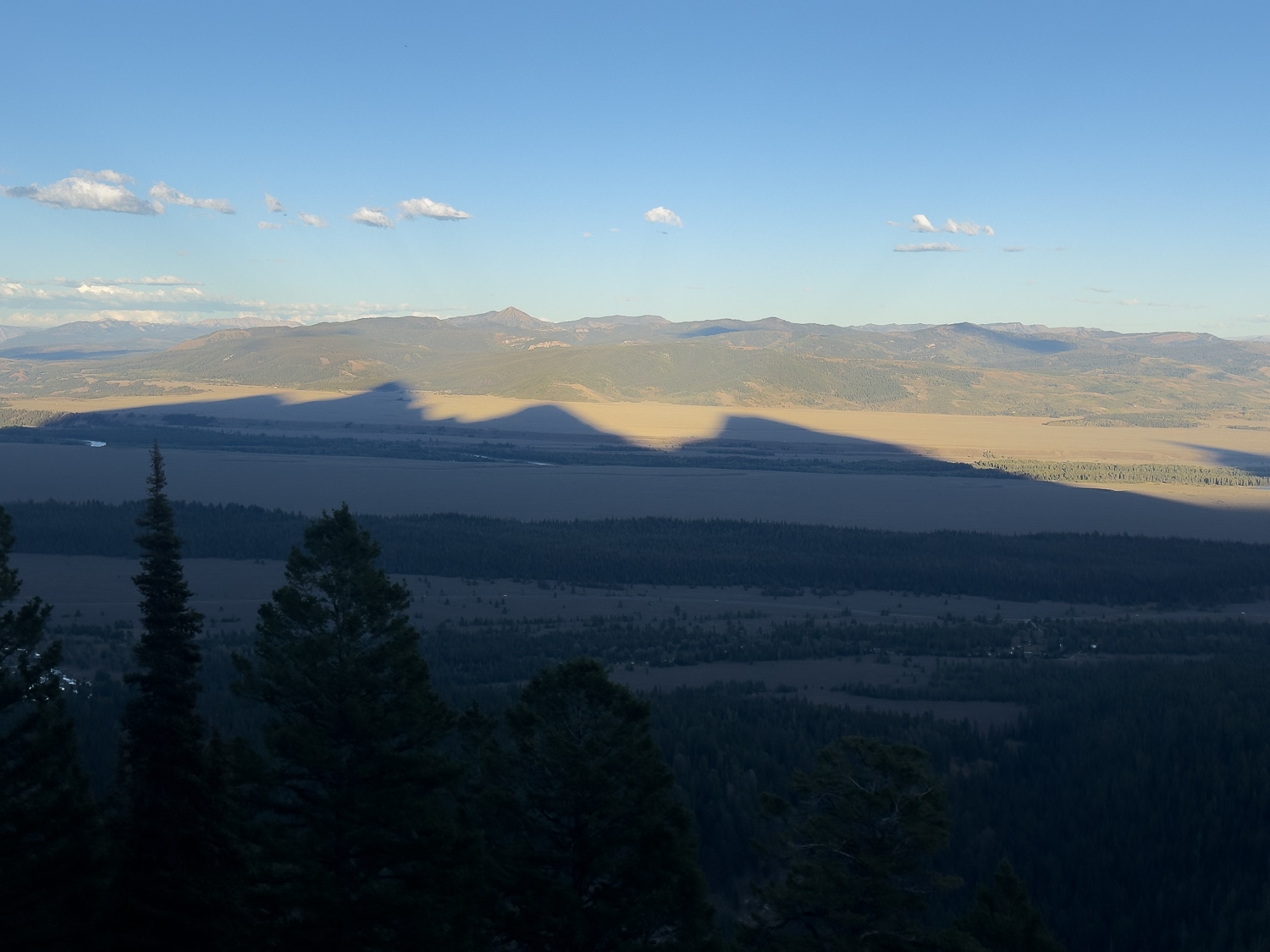
Teton shadows extending toward the Gros Ventre.
Public Lands and the Touring Scene
A look at proposed rule changes in the public lands space that could affect the touring scene.

Leave a Reply
You must be logged in to post a comment.