
Before my first winter overnight trip, I went into the local mountaineering store and bought myself a set of Western Mountaineering down booties. At the time, this seemed the only sensible choice for camp footwear in the snow. Fast forward some years and many nights camping in the snow, and I’m the proud owner of…
Expedition (And Winter) Footwear

Nice and tidy with the liner inserted: the Loon’r Lo Rider boot.
Responses
-
It seems like there might be an unmet niche for a vbl down bootie. You’d lose the versatility of using them as sleep socks, but could 100% guarantee a dry bootie. Essentially an ultralight rubber boot.
-
VBL on the inside or outside? There are some options for silnylon over-booties for down socks that are designed to keep down socks dry, Goosefeet gear comes to mind as a maker of such things.
-
I was thinking full waterproof shell, inside and out. The waterproof overbooties seem like they solve the problem of external moisture but exacerbate the problem of internal moisture. Full waterproof would be stinky, clammy, etc, but it’d be lightweight and moisture-proof. Probably more applicable in scenarios where you only expect to use them for low-exertion activities, and scenarios where you are on the move for extended portions of a trip and have fewer opportunities to dry out gear.
Could of course create the same setup with a vbl sock and waterproof overbootie – more weight but more versatility with that setup. Something roughly in the style of the thermoball with waterproof fabrics and a cinchable roll-up collar could essentially be an “ultralight winter boot” – rubber sole, waterproof, but compressible and light.
-
-
-
Ah, a topic and dear to me as a cold footed person in a cold part of the world (N-Minnesota). I need extra foot insulation at night.
Here are a few additions to your list:
I have the Goosefeet “Mukluks”. They are Superlight fabric overboots to keep your down booties/slippers dry. Still no real sole (I add seam grip dots to the sole). I also got them custom made at knee height, so I can walk around in deep snow without issue.
Very light option to combine with the socks/booties you brought for sleeping.https://goosefeetgear.com/products/waterproof-over-booties/
Instead of Packboots, I use Neos overboots with intuition (or Palau, they are often cheaper) liners. Mostly is use these for non skiing outings like fat biking. Quite warm, fully waterproof, and if I do punch through the ice they don’t absorb much water.
quite bit lighter than the Sorels, don’t absorb moisture, and the extra height means no gaiters are needed:https://www.neosovershoescanada.com/products/non-insulated-adventurer-black
And finally, I prefer synthetic to down for this stuff these days. There is so little fill there in an absolute sense, that the extra ~20% for synthetic is barely measurable. A\in the other hand, feet sweat, they can’t be vented like a jacket, socks/booties are harder to dry than a shirt or jacket, etc.
-
https://enlightenedequipment.com/torrid-booties-cus/
Synthetic insulated camp socks
-
Would love the name of that polish color!
-
-
-
The options that I use, which seem to be pretty unknown in the states, are Norwegian army surplus Fotposer (foot bags). They have a rubber sole and are waterproof to about 5 inches above your ankle, with non waterproof fabric going to just below your knee. The cinch top keeps snow out when it’s really deep and they can be rolled all the way down to let the feet breath if you’re on supportive snow and it’s hot out. I combine mine with a thick felted wool liner and a wool insole, but I bet the intuition Mukluk liner would work great as well. I’ve found them to be quite packable, and they have kept my feet warm and dry in some truly heinous conditions.
Latest Features
-
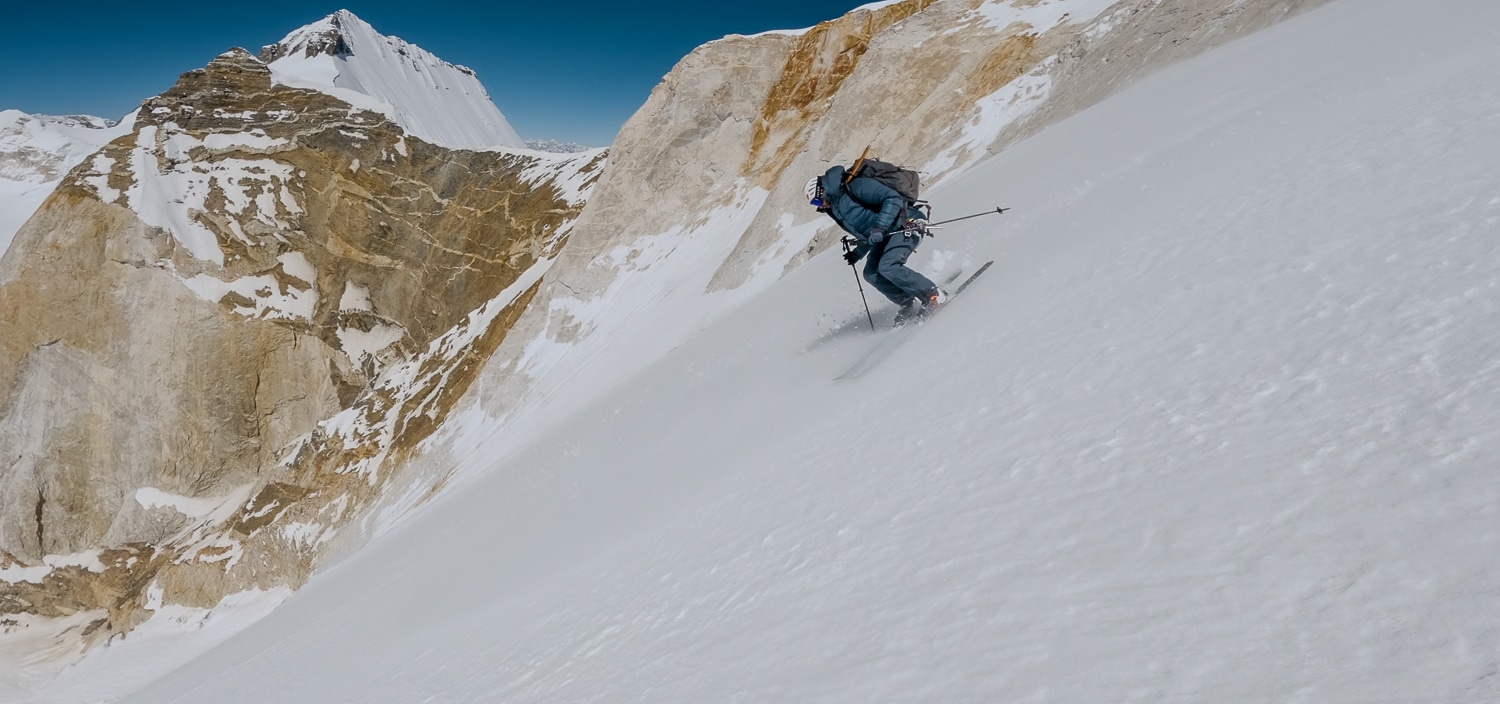
Boris Langenstein on the first ski descent of India’s Meru Central. Photo: Tiphaine Duperier
A First Descent on India’s Meru Central
Tiphaine Dupérier and Boris Langenstein pull off another small-scale big-mountain descent.
-
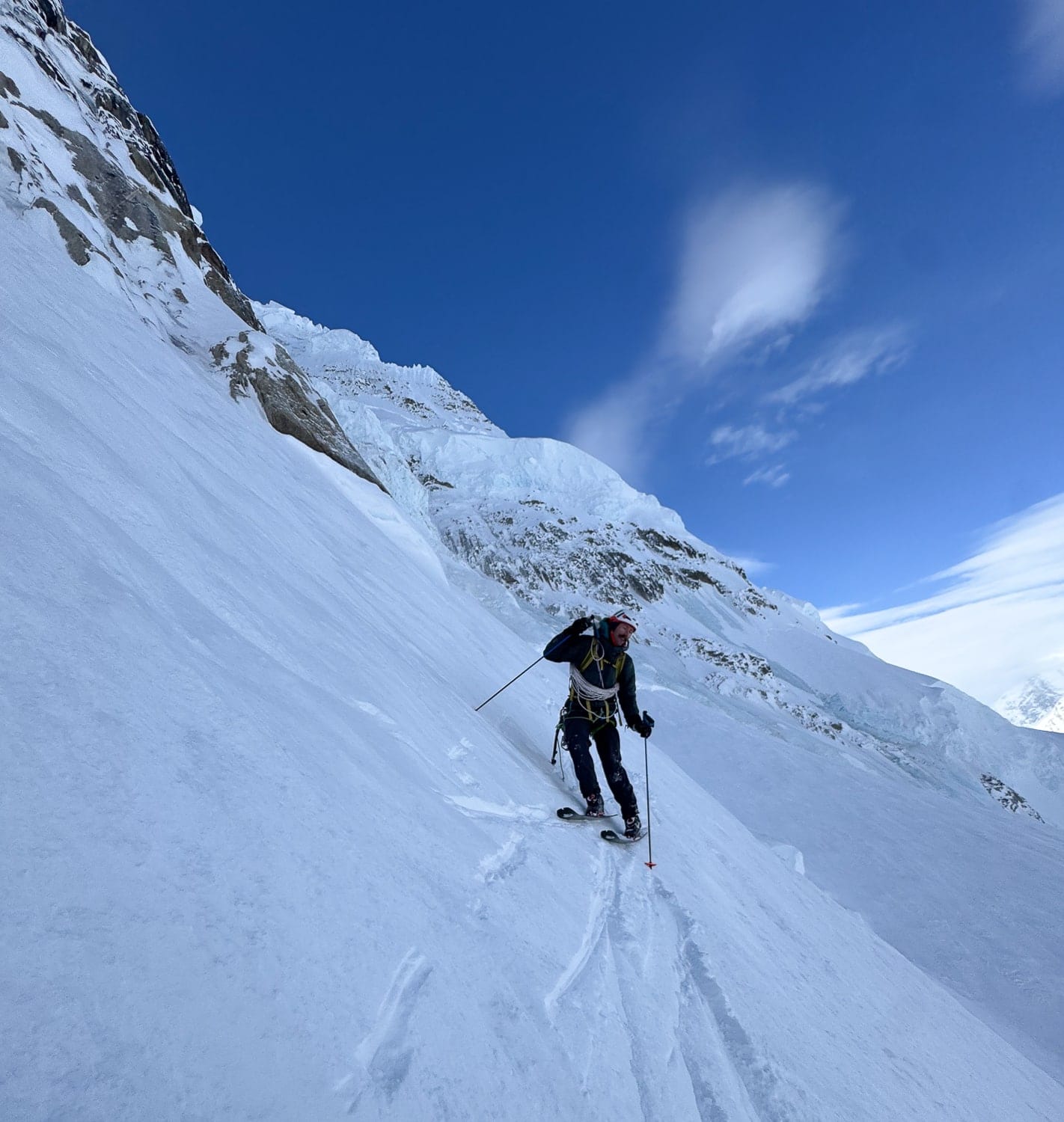
Ryan Griffiths, somewhere cold. Photo: Aidan Whitelaw
The High Route Podcast
The Progression Episode with Ryan Griffiths
-
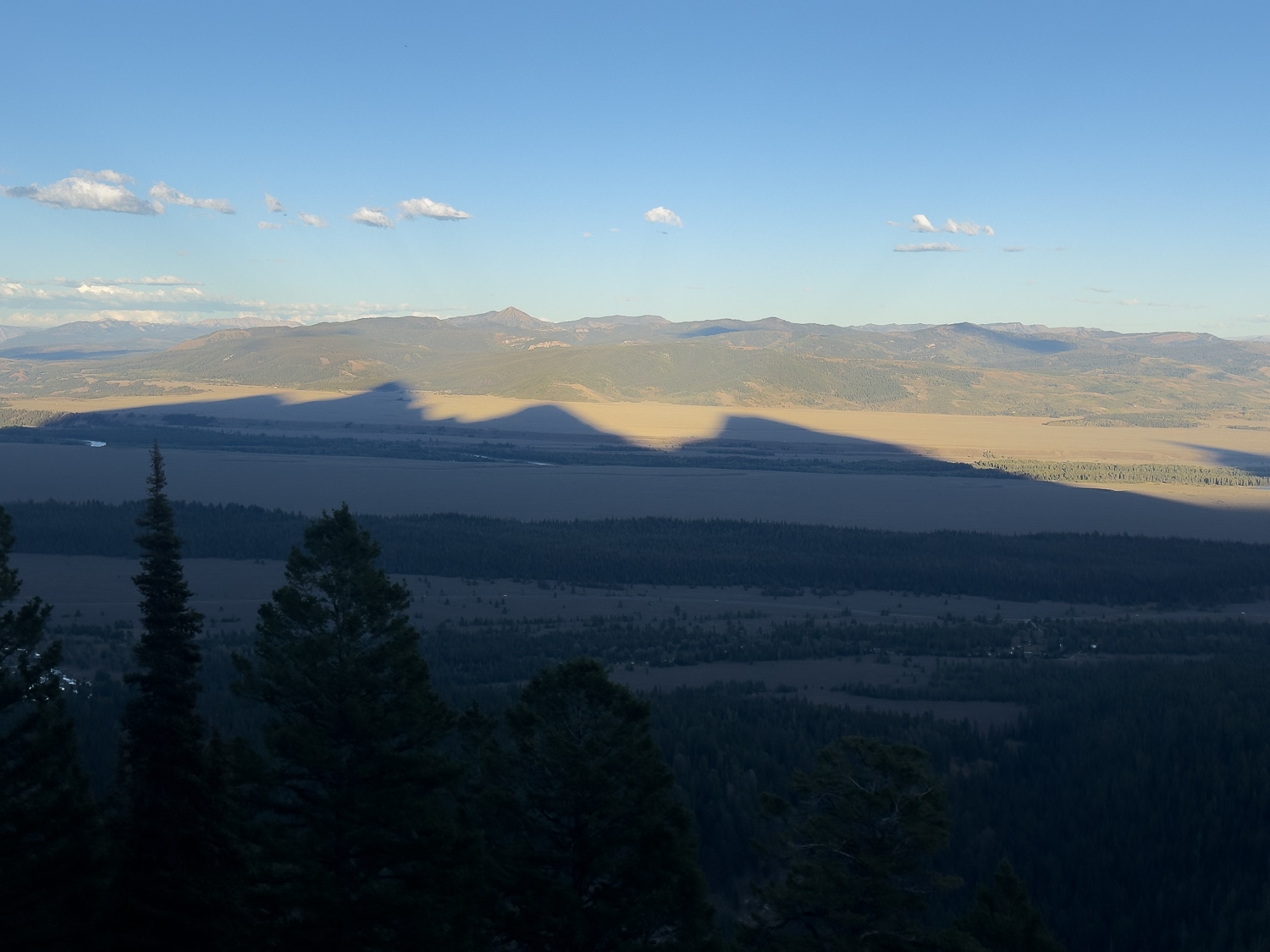
Teton shadows extending toward the Gros Ventre.
Public Lands and the Touring Scene
A look at proposed rule changes in the public lands space that could affect the touring scene.
Leave a Reply
You must be logged in to post a comment.