
Inspired. That, before we go longform, pretty much, sums it up. In 2024, Pete Vordenberg sent me a draft gear review focusing on how the gear that he was abusing was holding up. Pete dove into the sweet gear items in his life that were, despite his beatdown, still held up. Something akin to high function meets high durability. Two attributes we like in heavy doses here at THR, and all the better when there’s a combo of the two.
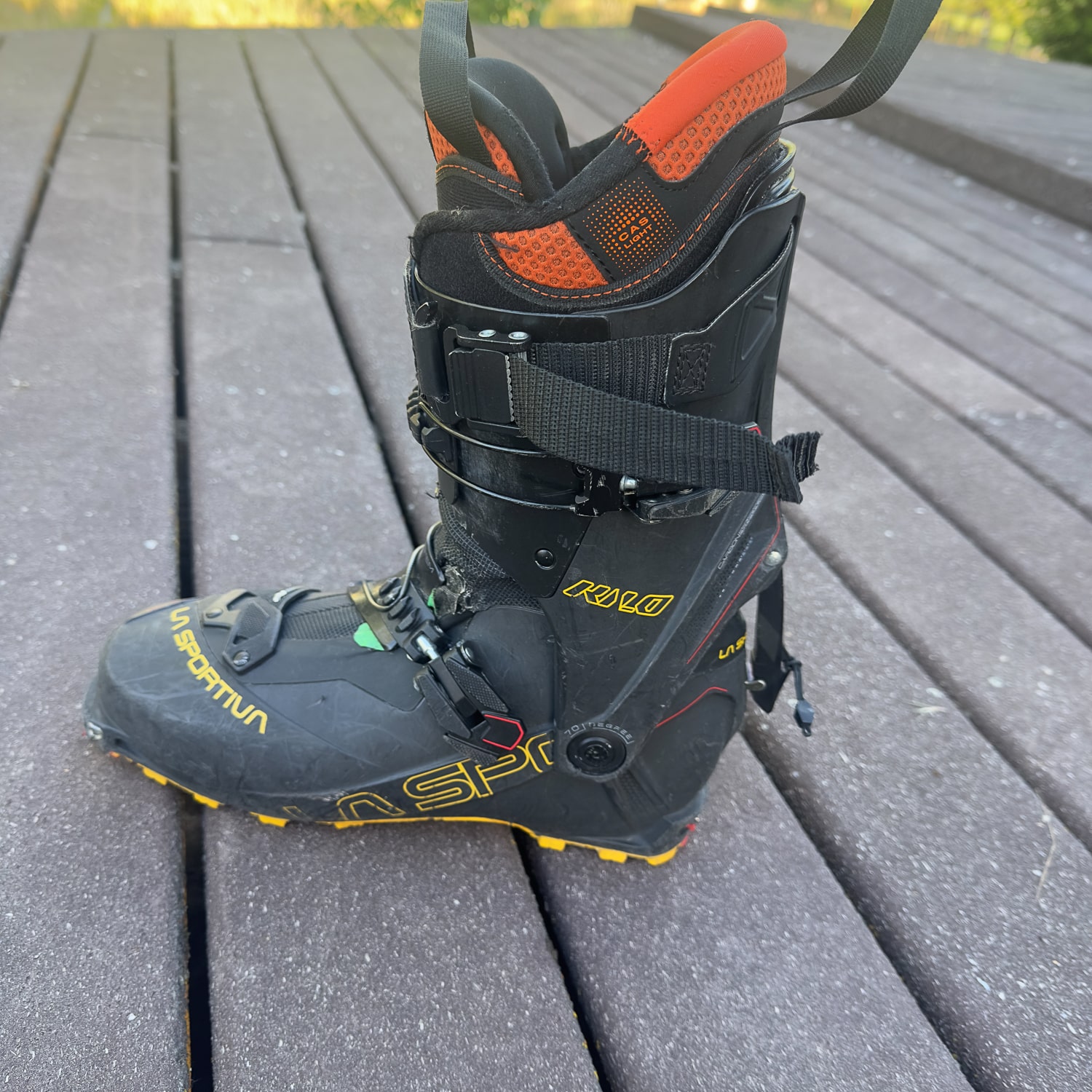
I’ll begin with the La Sportiva Kilo, which I used extensively last season, from late winter through the spring. Some folks got hung up on the naming convention, “Kilo.” In a 27.5, it’s more than a kilo, but pretty close for this user, weighing 1136g with the stock liner and insole. As noted in last year’s review, the liner is lacking. But I was hell-bent on maintaining the high ROM and low friction, so I kept the stock liner in play.
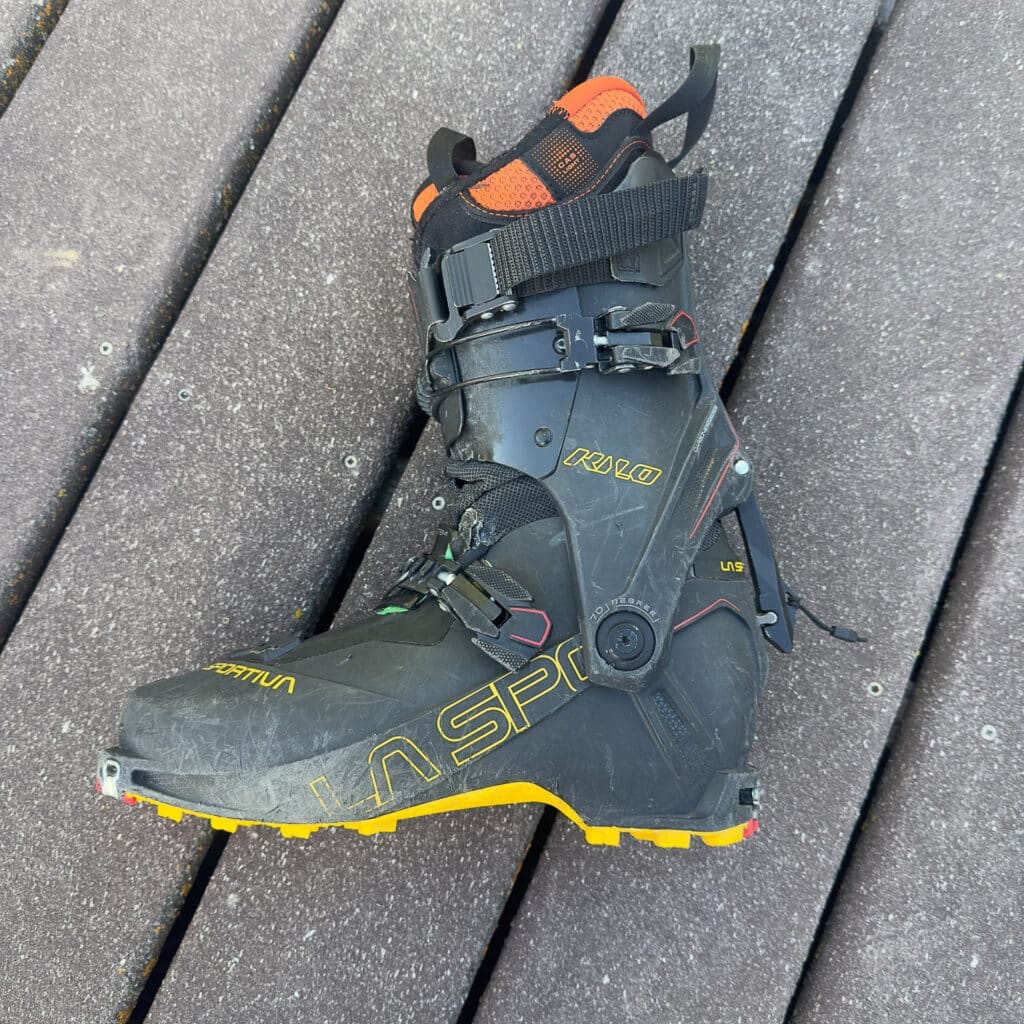
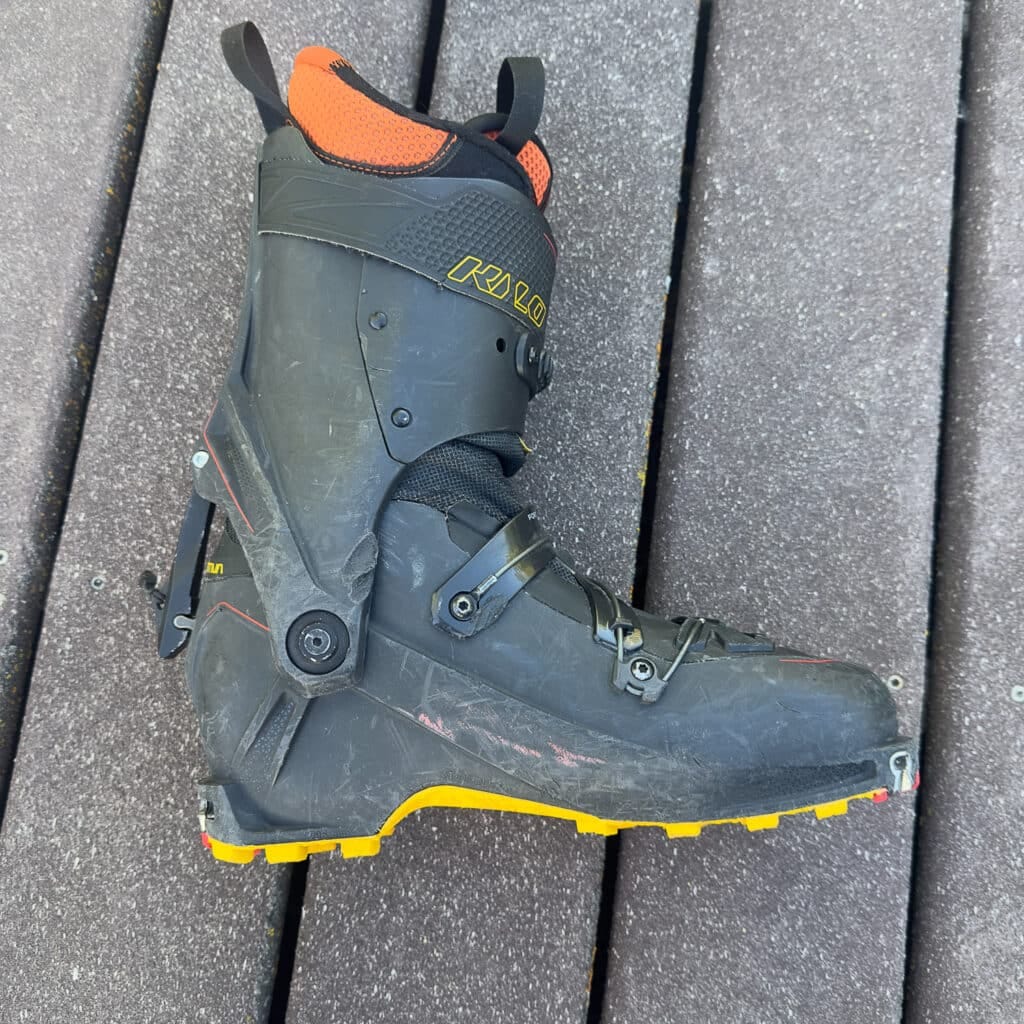
A year later, I’m still fond of the Kilo, although I’ve had moments where I wished for a bit more forward lean and a more progressive flex. Yet, for a lightweight boot, they ski stiff. I began swapping out liners, looking for something with more support but without diminishing that oh-so-sweet walkability. I tried my prototype ZipFit Espresso, but that is too dialed at this point for a beloved pair of Tecnica Zero G Tour Pros. (I’ve added cork in a few spots.) I ended up taking the ZG Tour Pro stock liners, which are in great shape since I have Espressos in those boots, and trying them in the Kilos. Bingo.
Along with the liner swap, I use my well-worn Blue Superfeet, a ~2mm shim/volume reducer under the insole, and a whopping 3mm-thick eZeefit ankle socks. (Certainly, I thought 3mm thick eZeefits would be overkill, as my usual go-tos are 2mm thick.) I’m using a lightweight Patagonia ski sock.
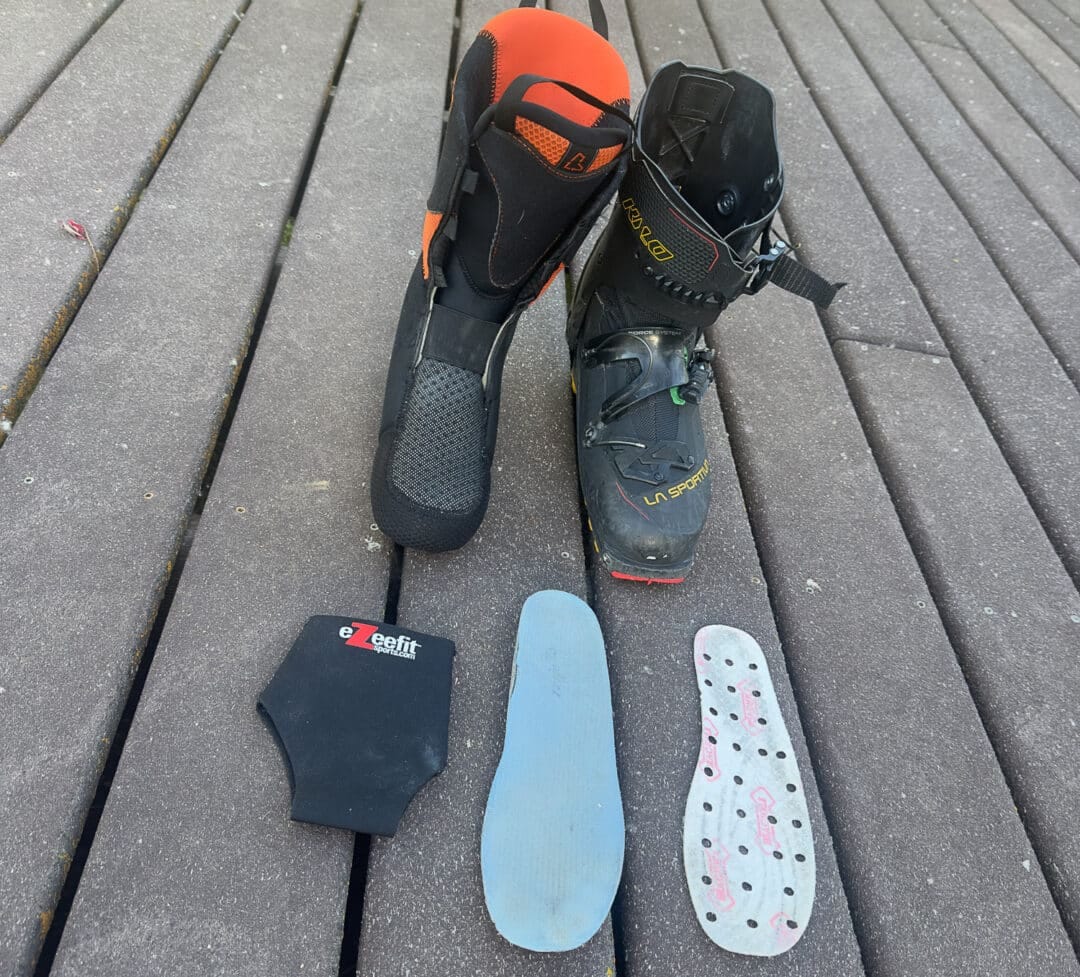
The ZG Tour Pro liner adds thicker foam, which, in my experience, makes for a more precise fit and, generally, more precise skiing, as the action-reaction sensations feel near instantaneous. These liners also have a small spoiler that velcros on that seems to have solved any forward lean limitations I was concerned about. And the flex, with these liners, feels smoother and less brick-wall-like. I believe that is because I have better shin contact now. Overall, this Kilo iteration, which is singing, weighs 1194g. So for roughly 60 grams more, I’m getting a better fit, enhanced skiability, and no major reduction in the boot’s ROM, and no increased friction. A total win-win. My point here is that sometimes it takes moving parts to dial in the fit. The upside is that eZeefit ankle socks are somewhat inexpensive, as are volume-reducing footbeds, which can be found for around $5. As far as liners go, they are not that cheap, and so maybe ask any friends who may be swapping liners out if they have a set you can experiment with.
I do want to add some notes on durability, as no doubt these are excellent boots, and it may be worth your time to dial in the fit with the right liners, etc. I mentioned in my final review that I had some early-onset wear and tear at the gaiter-shell interface. To repeat myself, “A small portion of the plastic overlay, part of the Z-buckle’s Force system, abrades and bites into the gaiter fabric covering the boot’s instep.”
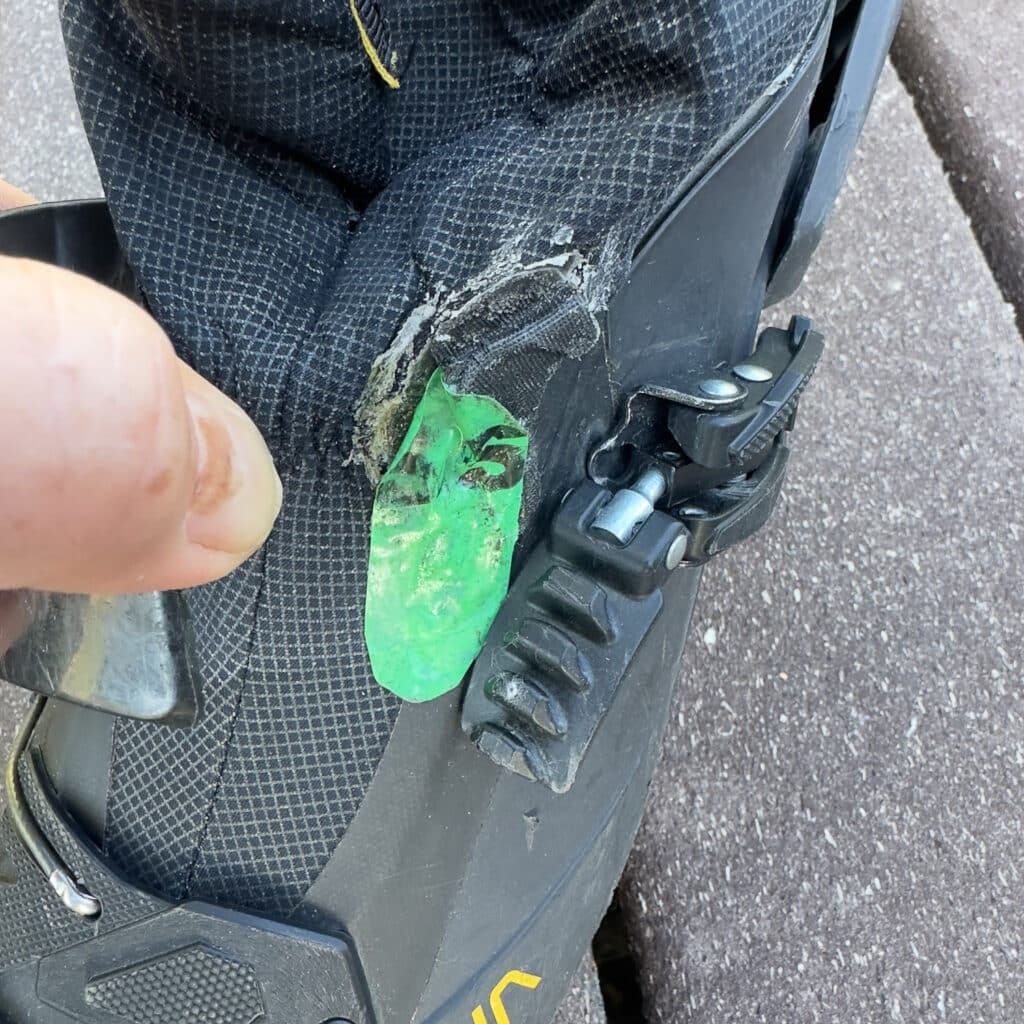
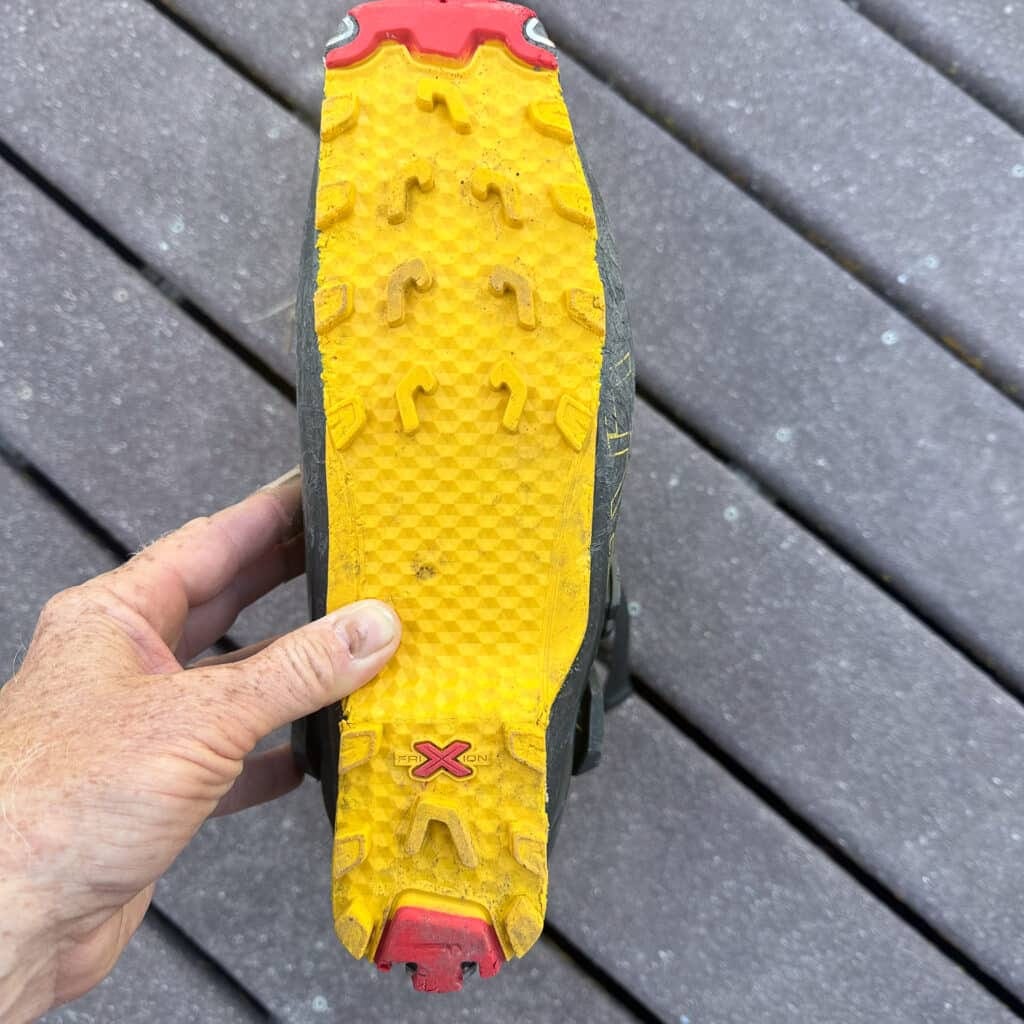
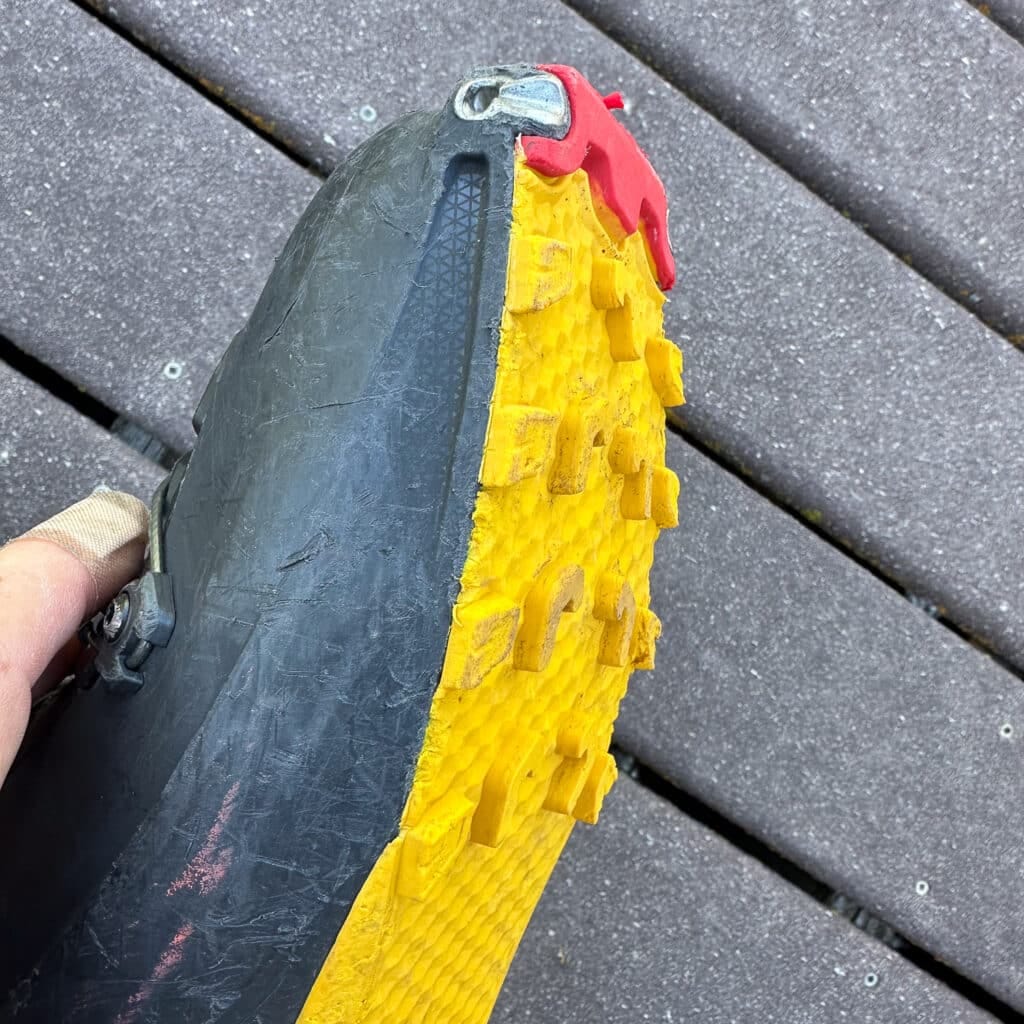
I’d say for anyone opting for the Kilo, it makes sense to be preemptive and add a durable adhesive patch over the high-wear zone. In less than a spring season, I wore a small hole through the gaiter fabric… not a big hole, but one that could be an ingress for snow (read: wet spring snow). Overall, the boot sole has held up as I’ve wended through the morass that is Cascade Volcano choss.
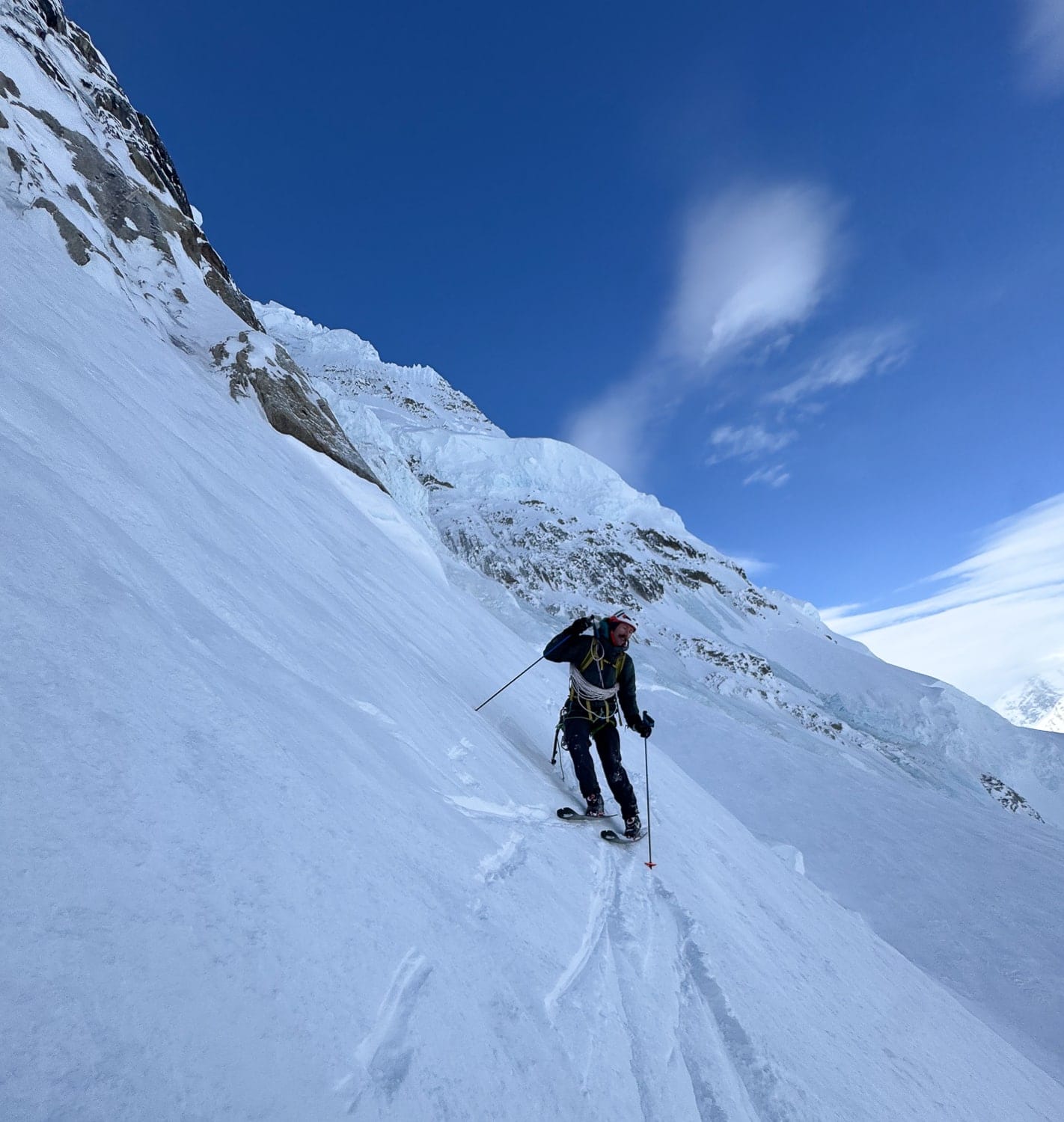
I’ll stick by this notion: the best use cases for the Kilo are as a lightweight powder-touring boot, real-deal long-day ski mountaineering, and epic traverses where the pack remains under 30 pounds or the skiing isn’t too rowdy (that extra pack weight can make the descents a bit rowdier). And any day you seek a bit less weight on the feet, and the skis are, say, 100mm underfoot or skinnier. The caveat is that, as a light powder boot, I’m speaking to you folks in the Wasatch, this boot can push a wider, longer ski just fine.
When I swapped into the Kilo last year, I was coming off a few years, and good years at that, in Dynafit’s Blacklight 1.0—the version without the Hoji-lock system. That boot had served me well. And this spring, before making the ZG Tour Pro liner swap in the Kilos, I used the Blacklights on some longer outings. And, having not been in the boot much last year, found the cuff height a bit too low relative to the Kilo and, overall, found the Kilo to be hitting a skiing sweet spot. In other words, the Blacklight 1.0 felt more like a skimo boot, whereas the Kilo, which has skimo-boot walkability, had some more oomph skiing, thanks to its higher cuff.
That’s how the Kilo is holding up. It’s worth a look as a fine iteration of a lightweight touring boot.

Leave a Reply
You must be logged in to post a comment.