
Safeback SBX is a new technology developed in Norway that aims to prolong the survival of a buried avalanche victim by improving airflow around the victim’s face. As was discussed recently on The High Route, this is a valid concept for improving survival in an avalanche, and the SBX system is the first real…
First Look: Safeback SBX Avalanche Safety System

The Raide SB-30 with Safeback installed. Photo: Raide Research
Responses
-
They already have 2 vests available:
https://www.safeback.no/collections/backpacks-
Indeed. However, the vest still suffers the same problem of no easy way to turn off the device. So if you’re trying to use it for a day of cat skiing or inbounds to prevent snow immersion/tree well problems it has the same limitations.
-
To be clear, I haven’t handled the vest.
-
-
-
Your comment about how hard it is to turn it off is good to know. When I first heard about this, it seemed like, unlike an airbag, you could just turn it on on every slope that was at higher risk. That way you avoid the ‘non-deployment’ that seems to occur with airbags fairly often.
But, as you say, that’s only practical if it can be turned off easily too.-
Right. Raide provided a video that shows you can flip it around and use the back panel access to turn it off in 15-20s or so, but that’s still an inconvenient enough step to make it unlikely to be used often. Let alone when it’s blowing 30 and snowing hard on everything in your pack when you open it up. The vest, I assume, would have to be taken off. Safeback says they plan to make it easier on future vest implementations. Preteiggering remains viable if, say, you just have one objective on the day and then a long Teton walk out.
-
-
Thanks for such a thorough review, Patrick! We also would love to see a world where we could deliver on some of these improvements.
Some of them are unfortunately out of our control – especially regarding batteries and their performance in the coldest winter conditions. Currently, the Energizer Ultimate Lithium AAs are the only power system we trust to run our system for at least 90 minutes. This is due to their resistance to cold, combined with their high capacity-to-weight ratio. Rechargeables with the capacity we require have degrading performance after every recharge and higher sensitivity to cold, meaning that we only could guarantee runtimes for the first deployment. Furthermore, single lithium battery cells with the total capacity we demand do not meet the guidelines to legally be transported on commercial airlines, whereas these lithium AAs do. Until the battery technology catches up with the need to deliver repeatable runtimes in winter conditions, we will continue to specify these Energizer Ultimate Lithium AAs as the only battery for our system. As you can imagine, we will continue to monitor this space very closely.
Regarding deactivation, as you mentioned in your comment above, we will focus on improving quick access to the SBX’s existing Test/Off button from the outside of the backpack body in coming packs – especially in backpacks designed for use in environments where preactivation would be both more beneficial and frequent, like in powder tree skiing. Any mechanical deactivation point introduces a risk of incidental deactivation – something we have no tolerance for. That is why we have chosen the placement and specific deactivation pattern on the Test/Off button. Assuming we could make a trigger-based deactivation work mechanically, we would need to have fail-safes in place to ensure that there is no way a user could accidentally deactivate while meaning to activate the system or under the forces of an avalanche. These fail safes might mean that trigger deactivation is just as tedious as getting better access to the current Off button would be. Balancing all of these benefits and risks, we believe that improving access to the button from the outside of the bag is the best solution to ensure the system does not stop running in case of an avalanche accident while improving user-friendliness for those who are considering preactivating the system more often.
In bags designed for ski touring like the Raide SB 30L and SB 40L, we assume that points of burial risk in a day would be isolated to any planned points of avalanche exposure on the ascent/descent. Should a user choose to preactivate in this scenario, there would likely only be a couple of activations in a single day. Conversely, powder tree skiers at ski areas and mechanized guide ops may be more inclined to preactivate more sporadically and frequently based on where they are skiing in the trees and their perceived risk of tree well burial. As such, we prioritize improving direct access for packs designed for that purpose, where other factors play into what makes a ski touring backpack the most functional overall.
It’s important to note that we have not designed the system with the specific idea that it should be preactivated – instead, we’ve been told by users that they have chosen to use it that way. From our perspective, we are looking to deliver a system that can supply air for 90 minutes in a burial accident, in the full spectrum of skiable winter conditions (we hope we don’t offend anyone by saying we don’t want to ski colder than -30degC/-22degF). Given that users have told us that they have and want to continue preactivating the system, we will continue to take a position of helping our customers and users understand the tradeoffs that exist. The most important one is that you can’t get battery capacity back without replacing the batteries.
If you plan on preactivating SBX frequently, keep extra batteries on hand. If SBX indicates that batteries are “under capacity” after a battery test, that doesn’t mean they are dead – but the system won’t deliver 90 minutes of runtime anymore. Switch these used batteries for new ones in your SBX, and put the used batteries in your computer mouse or TV remote. They’ll last a lot longer there, and will hopefully have a lower-stress job than in your snow safety system.
-
Thanks for your reply William.
And at least for recreational users like me, I like the Lithium batteries for the reasons you mention. They are also (at least in the US) very easy to find, including at most grocery and drug stores.
-
-
A question for William, or others with experience, will shouldering skis crush the tubes or are they built to resist that type of load?
Latest Features
-
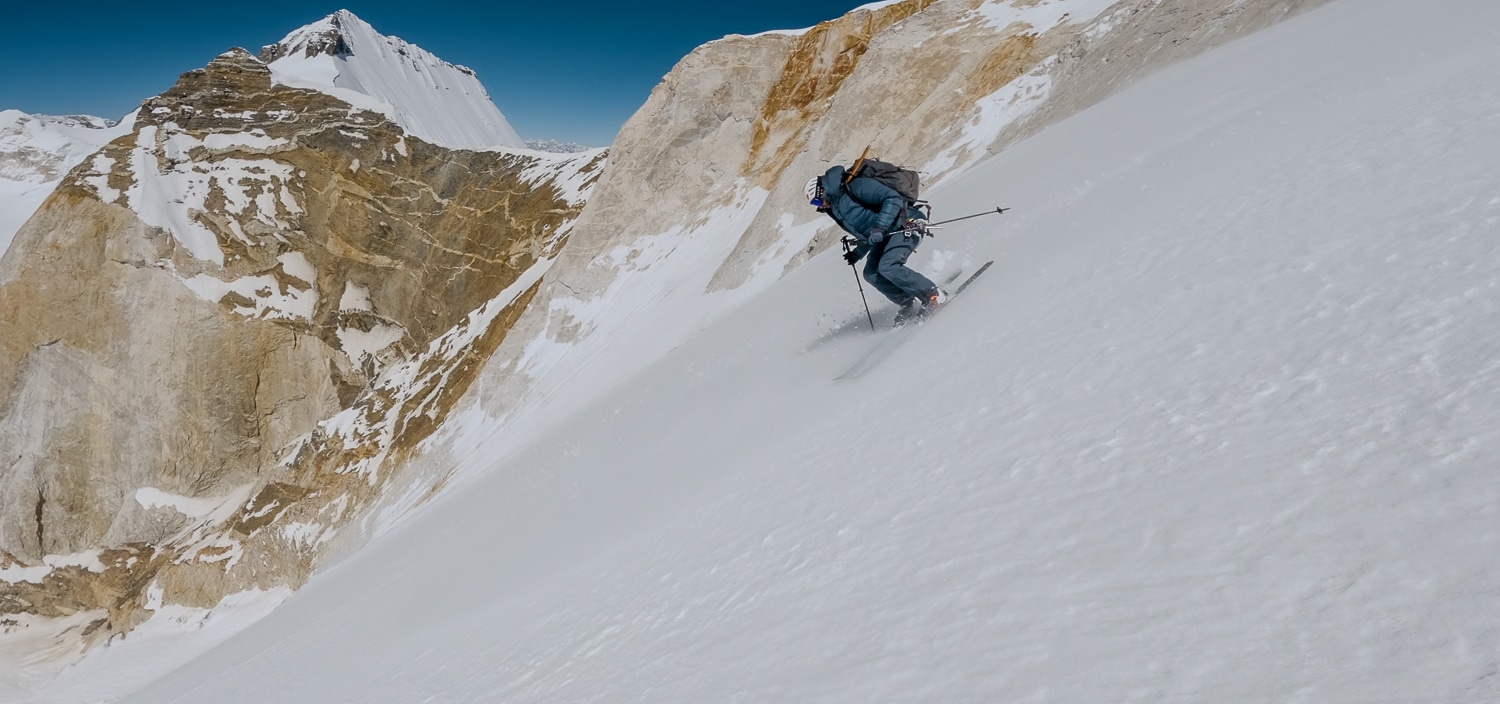
Boris Langenstein on the first ski descent of India’s Meru Central. Photo: Tiphaine Duperier
A First Descent on India’s Meru Central
Tiphaine Dupérier and Boris Langenstein pull off another small-scale big-mountain descent.
-
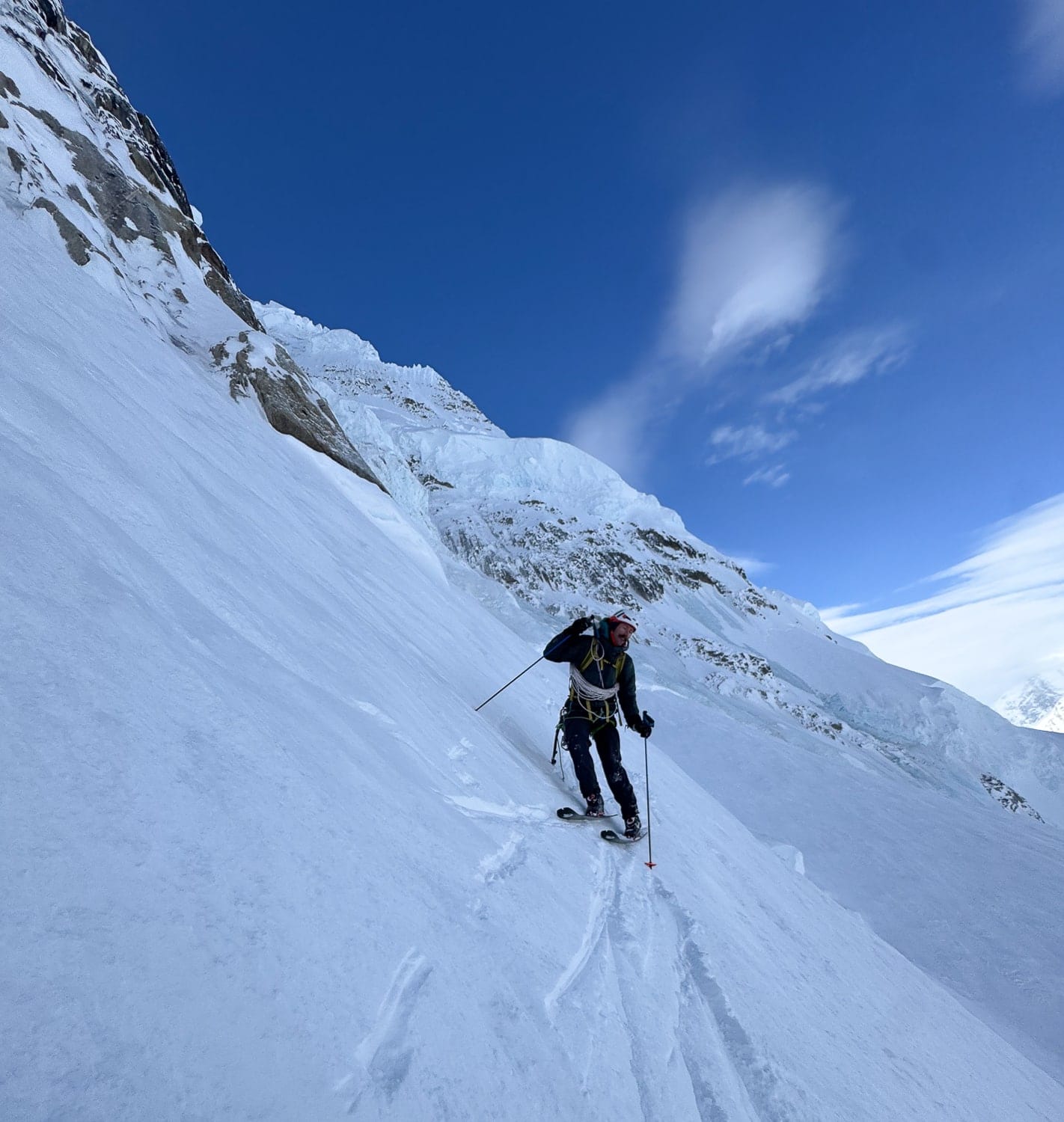
Ryan Griffiths, somewhere cold. Photo: Aidan Whitelaw
The High Route Podcast
The Progression Episode with Ryan Griffiths
-
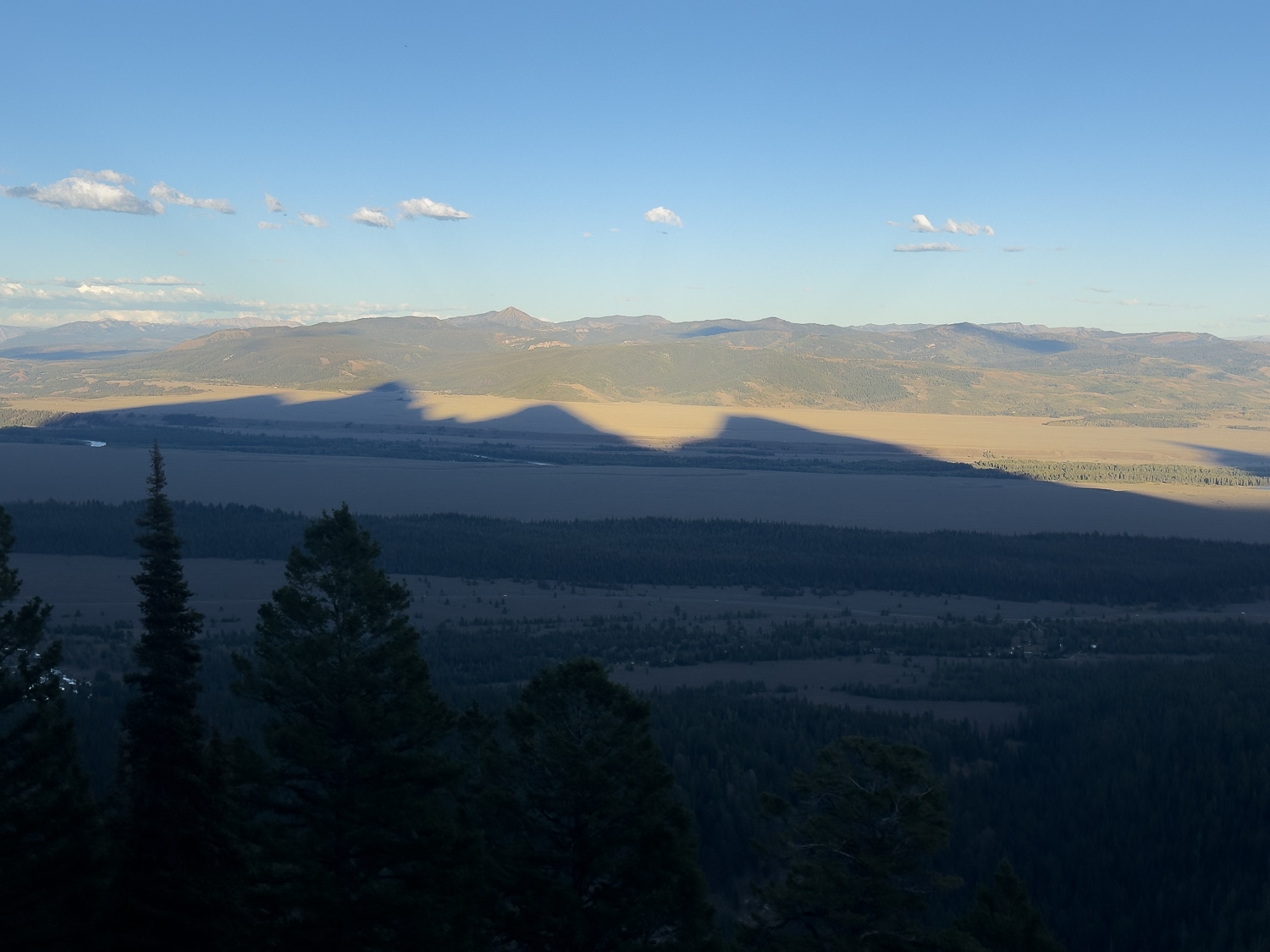
Teton shadows extending toward the Gros Ventre.
Public Lands and the Touring Scene
A look at proposed rule changes in the public lands space that could affect the touring scene.
Leave a Reply
You must be logged in to post a comment.