
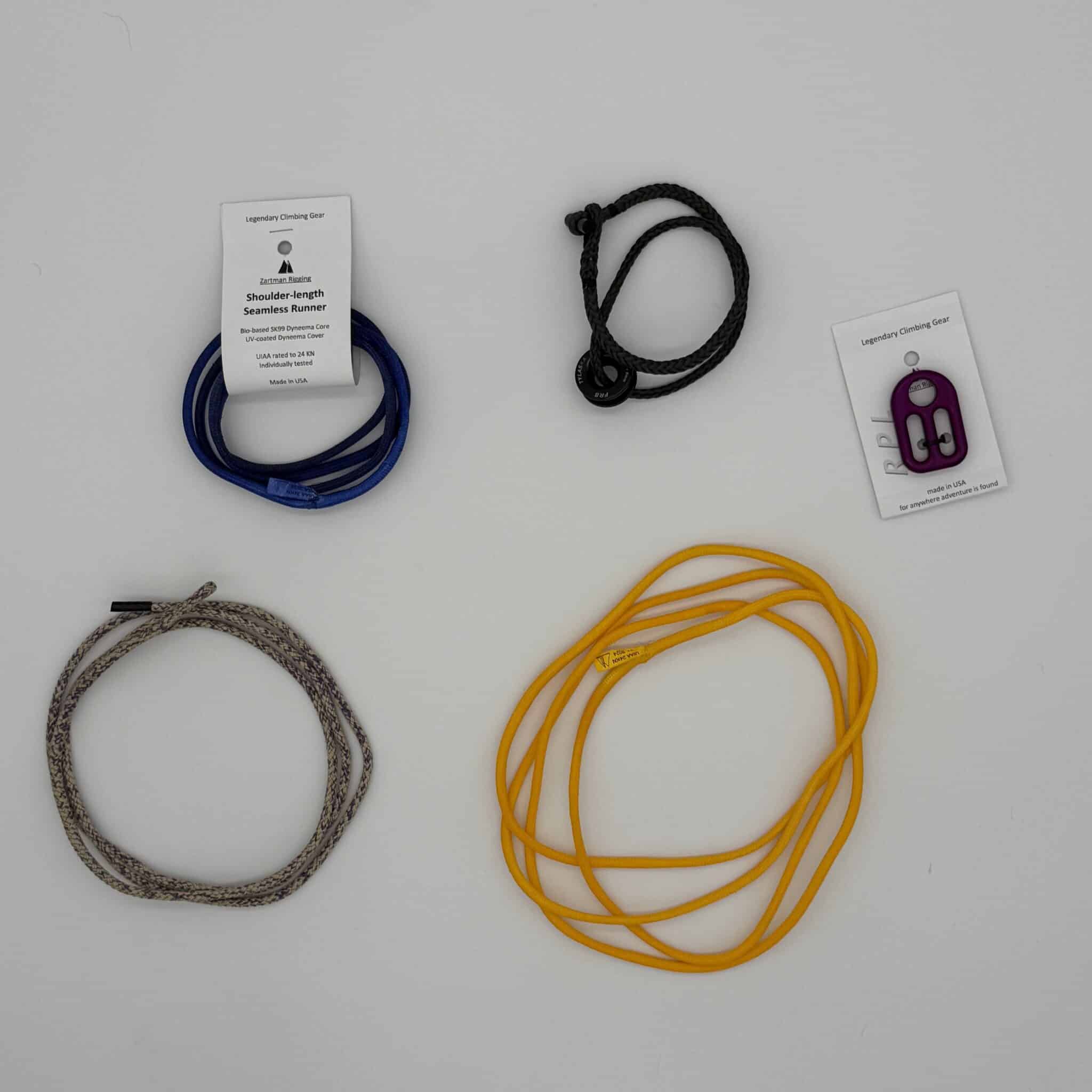
For many, a climbing sling is a climbing sling–most can appreciate the bulk and weight benefits of a Dyneema runner over a sewn or tied nylon one, but beyond that, the average climber probably doesn’t care much. Here at The High Route, we certainly appreciate a good sling.
The biggest innovation in the climbing-sling world over the past few years is making slings without a bulky seam that hangs up on carabiners and belay loops, adding bulk and stiffness to the whole package. Black Diamond and Blue Ice use an “infinity loop” to achieve a seamless product; essentially, a Dyneema yarn is wound in a loop many times, then covered in a sheath. Its strength relies on the fact that the loop won’t elongate, and therefore, the strands share the load without coming unwound. This technology is compelling, particularly because it is easily reproducible by a machine. Industrial lifting slings are probably the origin of this technology, so it isn’t new; it’s just been more recently adapted for climbing.
In the sailing world, folks have solved the seam/knot nuisance for ages with splicing. I’m not aware of any machine-made splicing; it’s a somewhat time and skill-intensive process of tucking, burying, tapering, etc., braided lines into loops or slings. While a knotted rope often reduces its strength by around 50%, splicing can maintain almost all of its straight-pull strength while also reducing the bulk of knots or sewn connections. Pretty cool stuff. I’ve dabbled in splicing with some friction-hitch loops and odds and ends for sewing/pack projects and prototypes over the years.
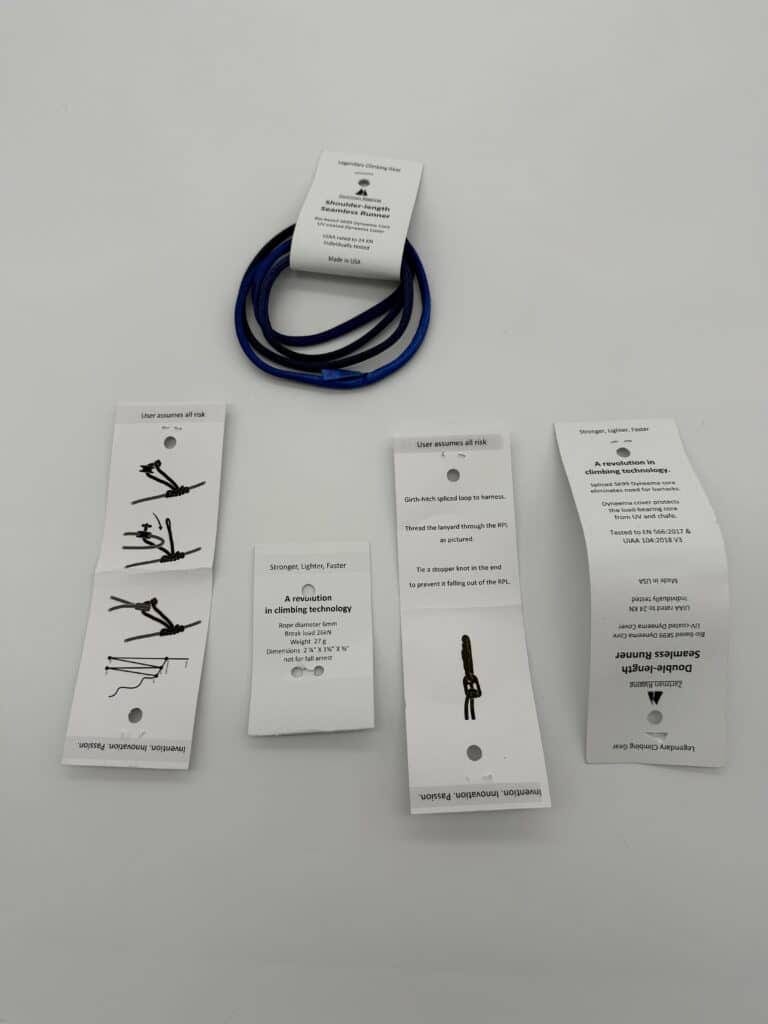
This fall, I found Zartman Rigging on a climbing forum and was impressed by his craftsmanship, splicing, covering, dyeing, and ultimately UIAA certifying climbing slings and other odds and ends. I wasn’t totally sure it needed a place on The High Route, particularly given the pricing, until he released a toggled friction-hitch cord with a low-friction ring and a small rope belay device. THR readers will know I’m a sucker for a small belay device.
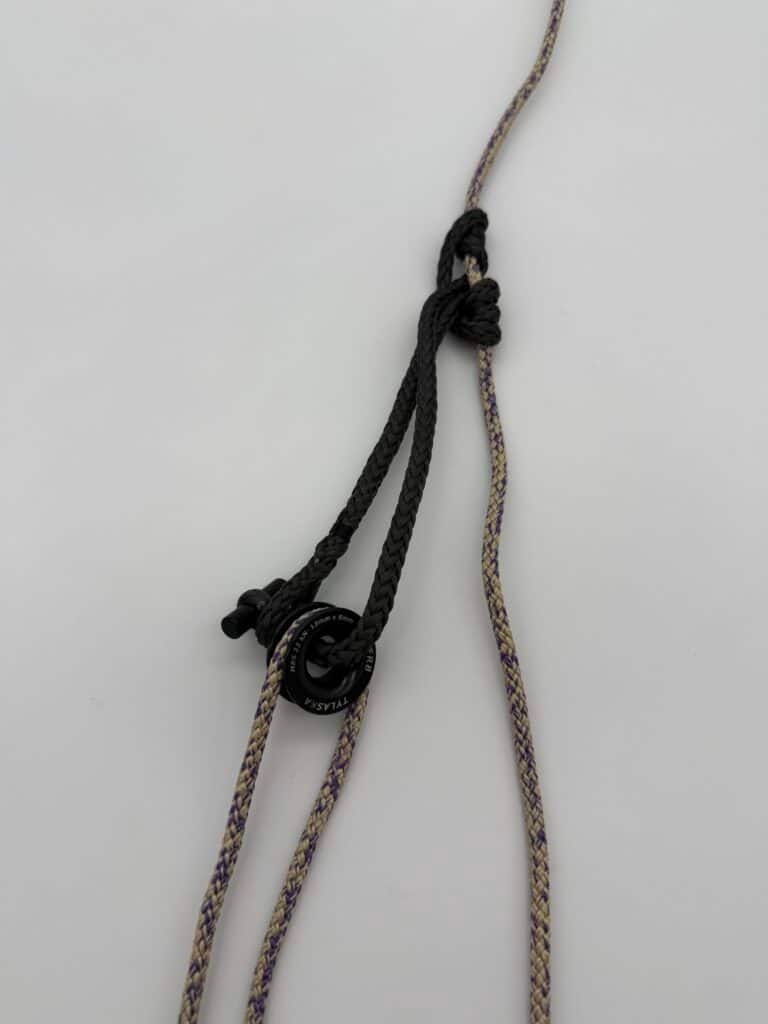
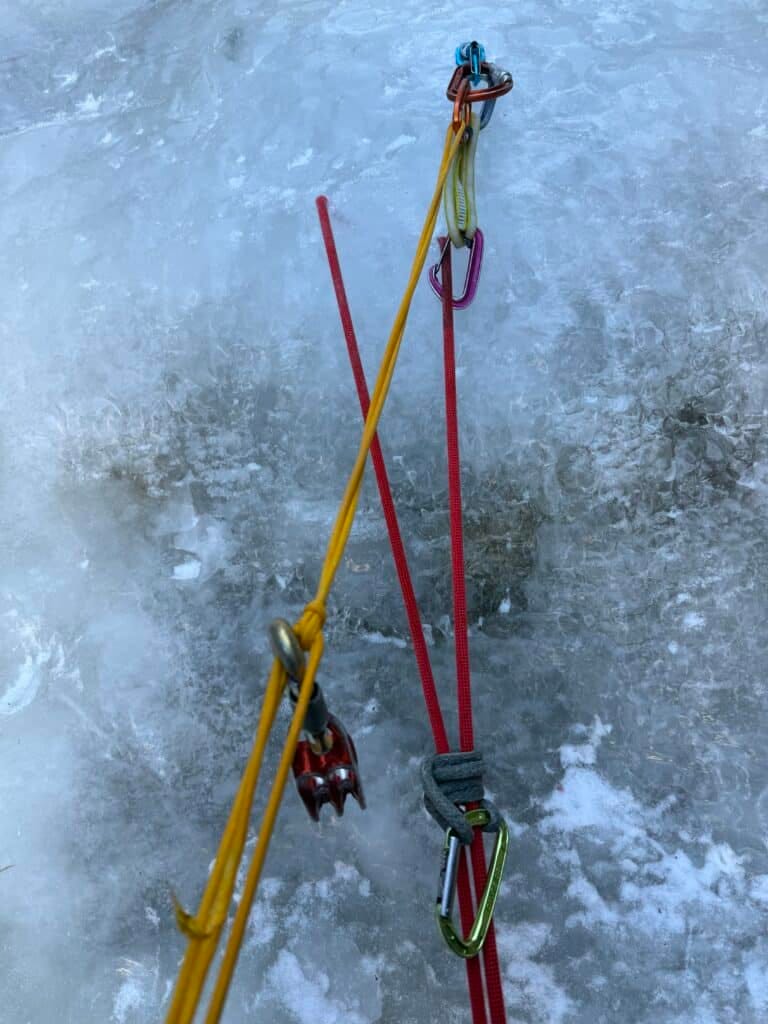
With some plans for big outings in glaciated mountains this spring, the toggled loop and low-friction ring replace a friction hitch cord, carabiner, and pulley (which I would likely skip anyway) with a single-piece system that allows for a low-pulling-friction tractor device in hauling systems. Pretty slick.
Meanwhile, the RPL has a few worthwhile uses. First, it’s a rappel device that is a little like a Grivel Scream, except it actually works well for the advertised rope sizes (the Grivel is pretty underwhelming, in my experience). It also works as a guide mode device, whether as a progress capture crevasse hauling or belaying a second. Lastly, it functions as a personal anchor device, similar to the Kong Slide or Petzl Connect Adjust. Thankfully, it works with a 6mm cord, which I always wished the Slide and Connect Adjust did more reliably. Zartman sells a spliced cord for this purpose, making a low-bulk, adjustable tether that is pretty sweet.
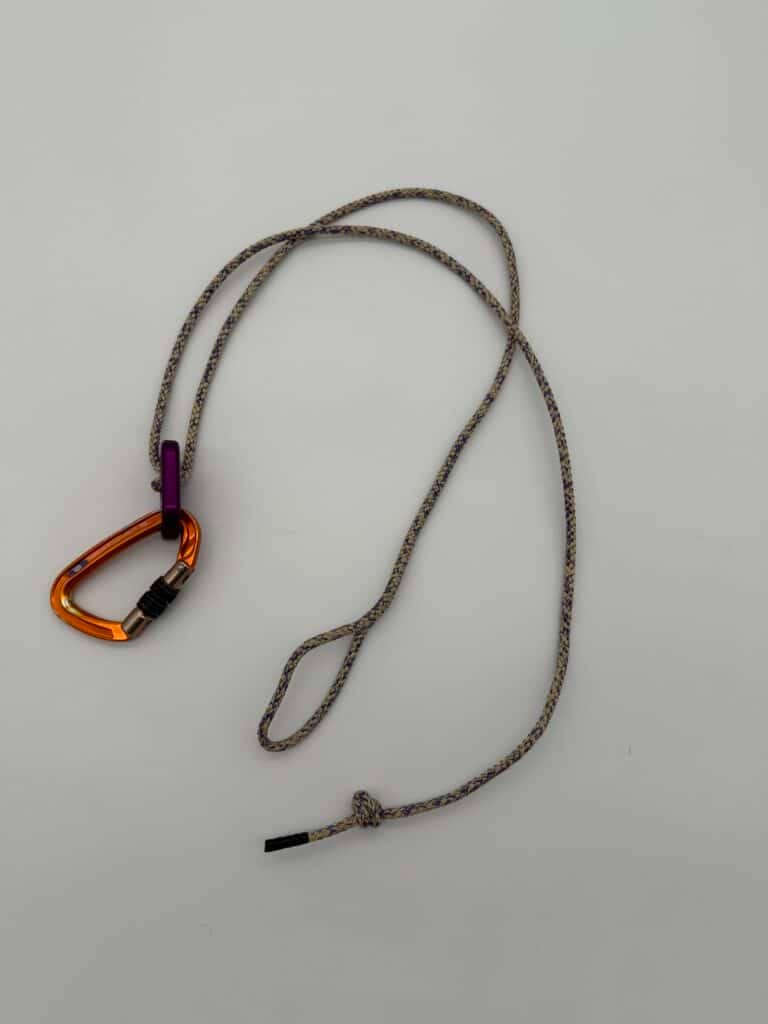
I’ll still likely stick to my sling-style tether. I’ve been using a double-length seamless runner for this purpose lately. It’s pretty dang nice. Is it nicer than a Blue Ice Alpine runner or Black Diamond Infinity Sling? Eh, probably not in any meaningful way. It does accomplish many of the positive attributes of the Edelrid Aramid Cord sling, which was beloved for a while before being discontinued—it is stiff for threading, easy to untie after loading a knot, and very low bulk when stowed.
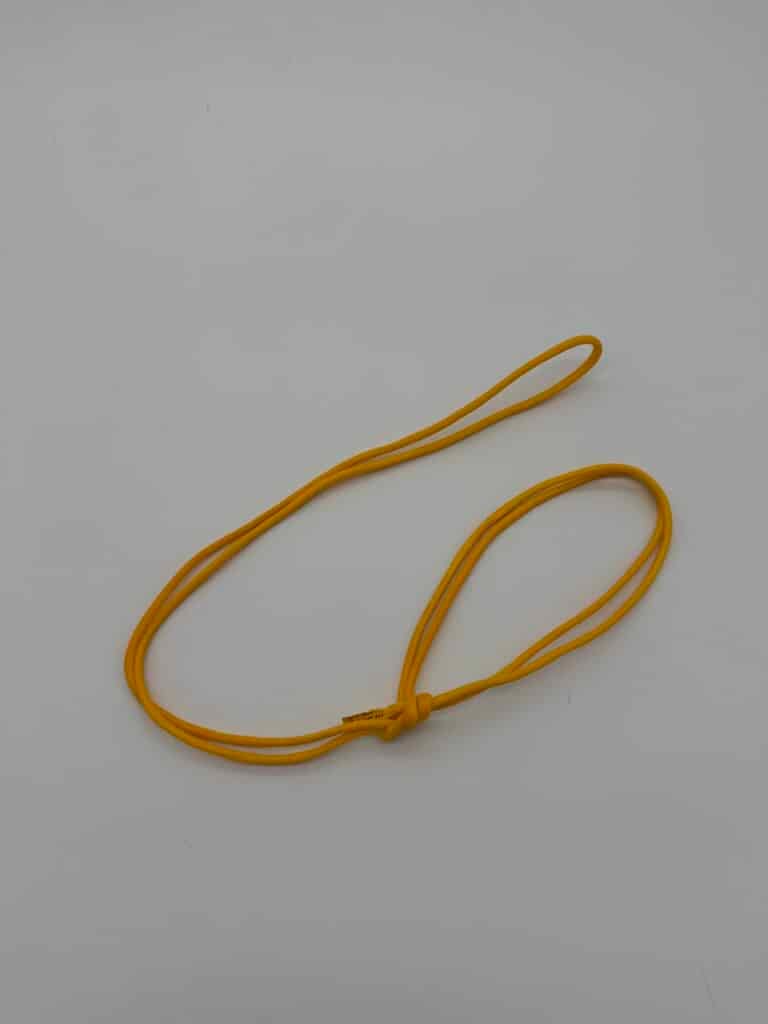
Zartman is certainly selling a premium product here. It is pretty unique to get domestically hand-made, UIAA-certified climbing softgoods, particularly those aimed at our niche of lightweight and simple mountain travel tools. While expensive alpine runners aren’t for everyone, I’m excited to see some of Zartman’s innovative ideas for lightweight rappel systems and ropes, glacier rescue systems, and other unforeseen crossovers between his sailing world and the climbing/skiing world. Cheers to thinking outside the box!



Leave a Reply
You must be logged in to post a comment.