
This is not the tale of deadbird’s Proton Hybrid Hoody, of which I wrote, “Don’t expect to wear the Proton Hybrid and have the active, inactive, start, stop, and cold-not-cold layering systems perfectly dialed. But it’s close.” The venerable Arc’Teryx Proton Lightweight Hoody. It remains a staple for climbing and ski tourist (in the backcountry).…
A Tale of Two Protons: The Arc’Teryx Lightweight Hoody and Hybrid Hoody
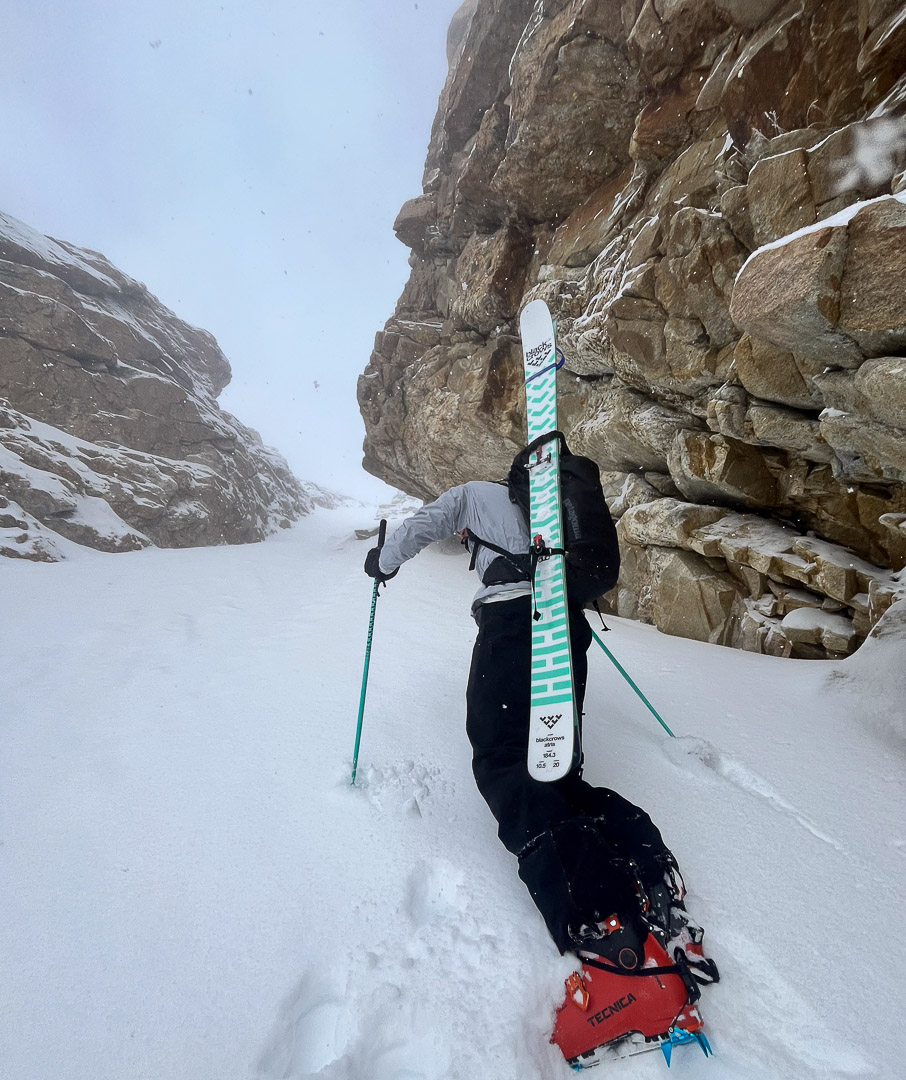
An appropriate use of active insulation, in this case the Proton Lightweight Hoody.
Responses
-
The basic problem of cold and cool weather traveling is that sun and wind come and go rapidly, due to weather and your shelter from them, this leads to being too hot or too cold easily. The other issue is that you need to prevent sweating out your layers on the ascent, because then you freeze on the descent. Breathablility helps, but not sweating (much) is better.
I have tried various forms of these types of active insulation like these in the past. By that, I mean something with some insulating properties, and a small or medium amount of wind resistance. The idea being that the lack of wind resistance cools you more, and removes moisture vapor.
In the end, I found it doesn’t work well for most use cases. The one exception is here in Northern MN, on very cold days with little wind, while traveling on fairly level terrain.
But for more common moderate temps, perhaps some wind, ascending and descending, I find they don’t actually work better than other systems:The lack of wind resistance means that when you get hit with more wind, you cool off a lot. Like open, exposed areas, or descending (on bike or skis). Conversely, when out of he wind, the (relatively) high insulation amount, means you overheat when working hard. Add to that that they have lower breathability than many other options (lab tested by Stephen Seeger at Backpackinglight).
After many tries, I decided to rethink my layer strategy: if it’s sun, and especially wind that are causing the greatest changes in how hot or cold I am, then I should minimize those. So rather than adding a bit more insulation to stay warm in windy conditions, I use a windproof shell to stay warm by blocking the wind.
This lets me use less insulation. Often just a base layer, and sometimes a very thin insulation layer, both very breathable and air permeable. By wearing a shell with plenty of venting (front AND pit zips), I can regulate temperature across a wide range of conditions: if the sun goes away and the wind picks up (or I descend) I close the vents and the warmth of my under layers is trapped inside. If the sun comes out and I’m out of the wind, climbing, open the, all up and the cool air can move right through the layers underneath, cooling me and removing moisture.
Hydrophilic and very open layers underneath are required for this to work. I use a Brynje Polypropylene base layer and/ or thin Polartec Alpha Direct fleece. The shell needs to breath well as well.
All without adding or removing garments. (Of course, in very cold conditions, or long descents I might still add a layer). The other benefit is that your one shell can work across a wide range of temps, during a long day or especially a multi day trip.I still own some shelled active insulation layers (Nano air , nano air light hybrid, RAB shelled Alpha Direct), but mainly use them for comfort layers, for resort skiing, or other less aerobic activities, except as listed above.
-
Good thoughts and reasoning here Slim. I’ve owned a few Nano Air products but the 60g/m2 insulation proved too hot. Nano Air vest (lots of ventilation available ) has been super reliable. Have not tired the Nano Air Light JKT, which I think has the fleece back panel and 40g/m2 of insulation. For some reason, the combo of CFM, moisture vapor transport, and less insulation, the Protons in the article have simplified my layering and refined what I’m placing in the pack for layering. Unless it is direct and springtime sun (or it’s winter and warm) I don’t sweat an extraordinary amount. I do, however, make a point in my wise middle age to swap out my base layer mid-trip if I’m sweating too much. Thanks as always for your insightful thoughts on gear. And…what shell do you most often have the best luck with?
-
Unfortunately it is hard to know the actual breathability of shell fabrics, but in general thinner face fabrics always breathe better. Add that those garments are lighter and more flexible, that is my first requirement. Thinner face fabrics also mean your shell is less warm, meaning you are less likely to overheat and sweat. Of course, durability takes a hit.
Unfortunately market trends mean that shells (wind- or waterproof) with high breathability and thin face fabrics almost never have pit zips. I get around that by finding one that best meets the rest of my needs, then taking it to a tailor and having her install pit zips.
Some of the thinnest GTX Active and especially Shakedry laminates seem to breath very well, but starting this year, most of Gore’s product range is switching to a different membrane, so it remains to be seen how that plays out.Polartec Neoshell tends to breathe very well also, and it is available in stretch versions, which is very nice, especially for pants.
OR and TNF both have some versions of their proprietary electrospun memebranes as well, that limited testing I have seen, and from product reviews, breathe very well.I have also used some Gore Infinium (Née Windstopper) products from their bike and run lines, that have moderately high breathability, but their high wind and water resistance allows you to go for a very thin limited, and use less insulation underneath.
There are some other wind shirts that are nice as well, but they, like WpB shells, keep changing. Besides my Gore Infinium I have an older OR, but they don’t make it anymore I think.
Regardless of the fabric breathability, venting will be a normally be a bigger factor in removing moisture, and it allows you to adjust based on conditions.
Full front zipper, or deep chest zipper, long pit or side zips, cuffs that open fully (no stretchy wrist gaiters!) and no mesh in those vents all help.The other benefit of a system like this is the fact that your back, which gets wet underneath your pack, doesn’t have a lot of material which can absorb moisture. Less insulation in general, and the little that is there (Brynje Polypropylene or PT Alpha Direct) doesn’t absorb much moisture.
-
Oh, and for cold temps, I have one other shell, suit that works well: Paramo. (actually mine are from Cioch Direct custom).
Paramo’s Nikwax Analogy water resistance fabric works in a different way for everything else, but for the purpose of this discussion, suffice it to say that it basically consists of a microfiber shell fabric (aka wind shirt) with a synthetic liner that is about as warm as a heavyweight base layer.This means it’s quite warm, and breathability is pretty good. Since they are one garment, any venting you open really cools you down, because they also open up a layer that provides insulation, so you are letting cold air in deeper into your clothing system.
-
Oh, and price and weight are also a benefit of my current system:
We assume you will be wearing a base layer regardless. We assume you pack a wind or WpB shell regardless.
So that leaves the other mid layer.
In my current system I buy an Pt Alpha Direct Hoody (or grid fleece like Pata Thermal Weight Capilene):
$80 and 185 g, gets me a made in the USA version:
https://superiorfleece.com/collections/mens-hoodies/products/mens-brule-hoodie?variant=42218340483254Otherwise, my old system using, something like the products in this review , or the Pata Nano air light Hybrid hoody, we are looking at ~$300+ and 300+ grams.
That $280 and 115 grams, definitely covers the weight and cost of adding pit zips, if your shell didn’t have them yet. -
I have been enjoying the BD Alpine Start windshell (rather high cfm, not your typical nylon windshell) and the Coefficient LT Hybrid Hoody (very breathable insulation except for a thin layer of primaloft on the chest). Combined they weigh 16oz/450g. It’s more or less the equivalent of an active insulation piece, just split into two parts. I typically just stick with the shell over a l/s base layer, and only throw on the insulation when it is quite cold or windy. I think there are two main benefits to splitting the shell and insulation. The obvious one is that you can just use the shell most of the time – i sweat a lot, and this is the least sweaty windshell i’ve found. The other is that you can put the breathable insulation outside the shell. This is super for when you just need a bit more protection, but would overheat with the typical insulation inside shell combo. Ex: today it was pretty warm (25F and very sunny), but there were 50+mph wind gusts in some exposed areas. Throwing the insulation over the shell was the perfect solution – the wind stripped away most of the heat buildup from the insulation to avoid overheating during high exertion, but it provided enough extra protection that my core/arms were quite comfortable. I personally also get cold hands, so I prefer solutions that still provide insulation over my forearms.
-
-
-
-
Another great hybrid peace designed for ski touring is the Lyngen Hiloflex 100 from Norrøna. Been using it is in a range of conditions and are impressed. Not as warm as the lightweight and hybrid hoody.
Latest Features
-
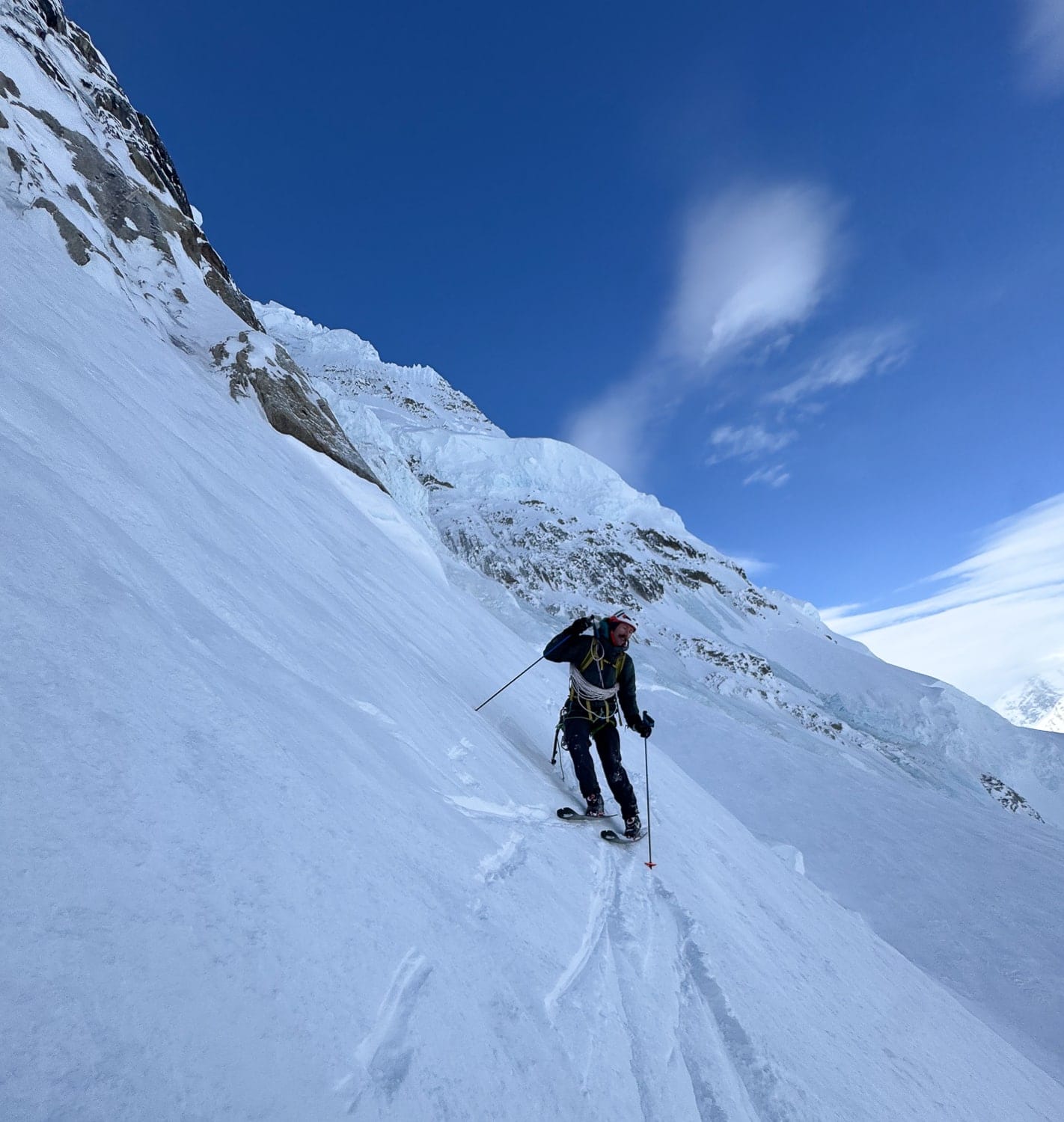
Ryan Griffiths, somewhere cold. Photo: Aidan Whitelaw
The High Route Podcast
The Progression Episode with Ryan Griffiths
-
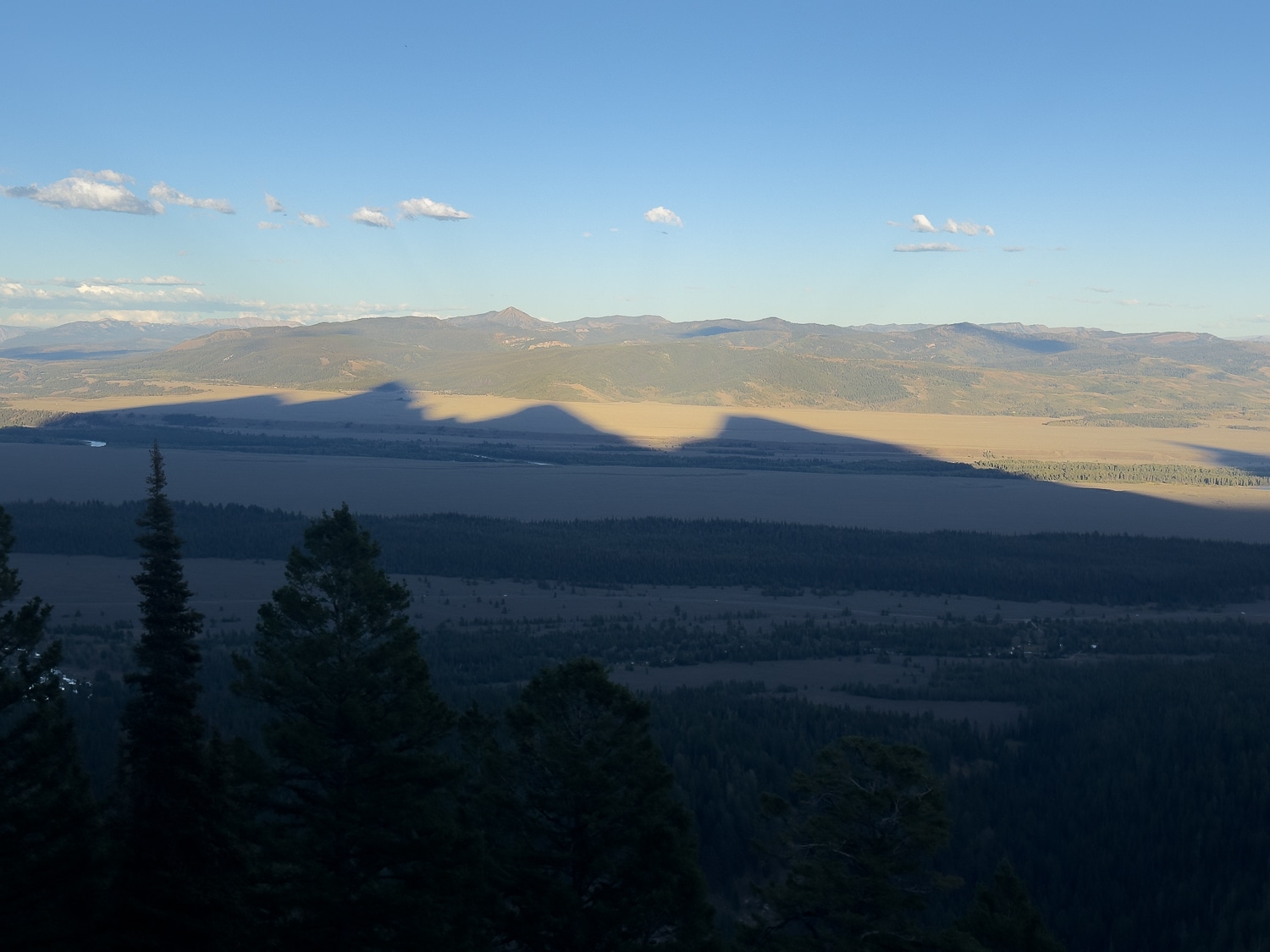
Teton shadows extending toward the Gros Ventre.
Public Lands and the Touring Scene
A look at proposed rule changes in the public lands space that could affect the touring scene.
-
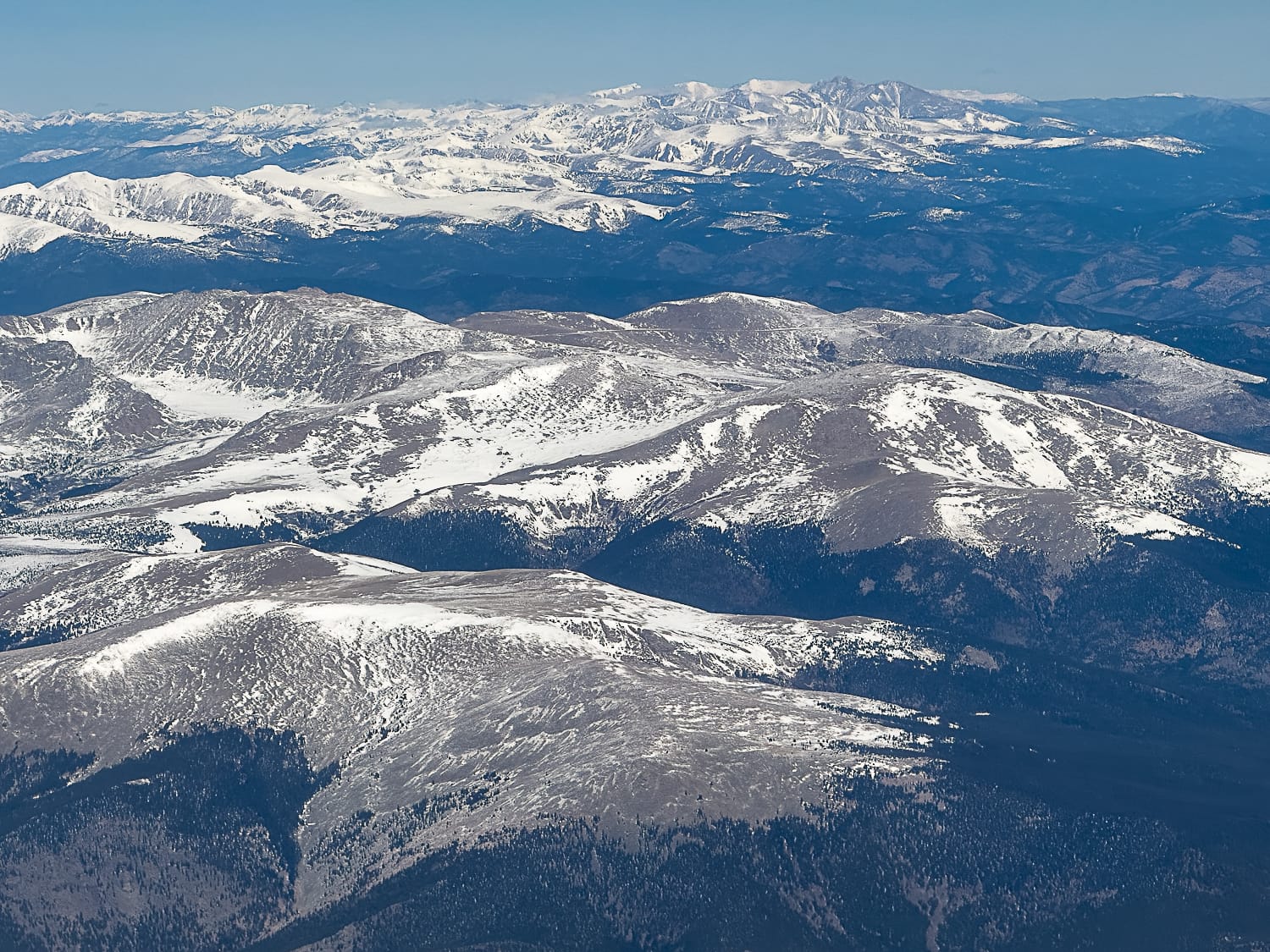
Aerial view of the snow drought in Colorado's Rocky Mountains on March 4, 2026. Photo: Mitch Tobin
The High Route Podcast: The Snow and Water Episode
With Journalist Mitch Tobin.
-
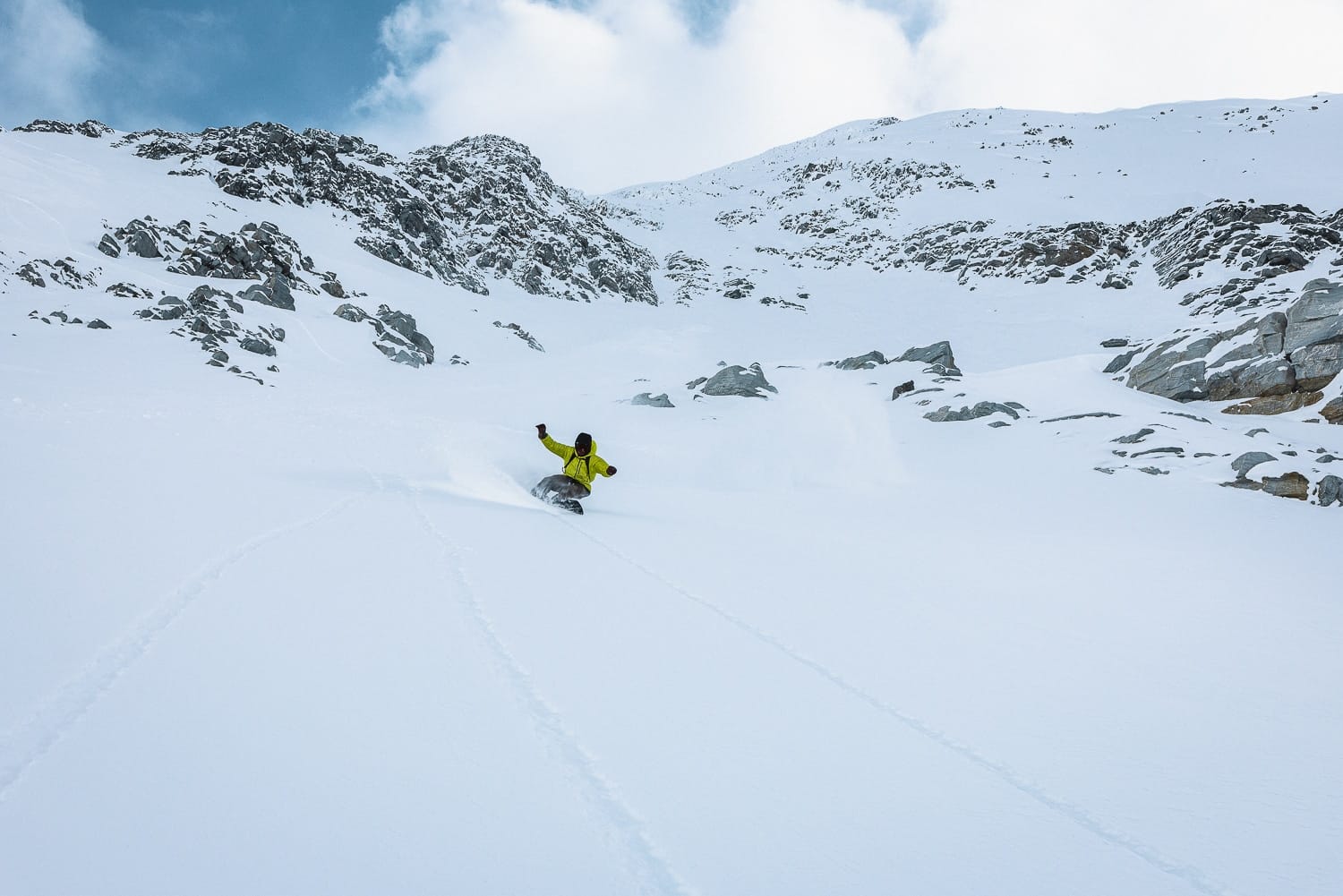
A multi-faceted Zahan Billimoria finds his riding flow. Photo: Matthew Tufts
The High Route Podcast: Part 2 with Zahan Billimoria
Touring Like A Naturalist.
Leave a Reply
You must be logged in to post a comment.