
Waning food coma on this post-Thanksgiving day has us thinking of a few things. First, we are appreciative of public observations on our respective avalanche center platforms. Second, and certainly in line with first, we very much apprciate the good work of avalanche professionals. We were reminded of this early in the week while reviewing avalanche incidents on the UAC site.
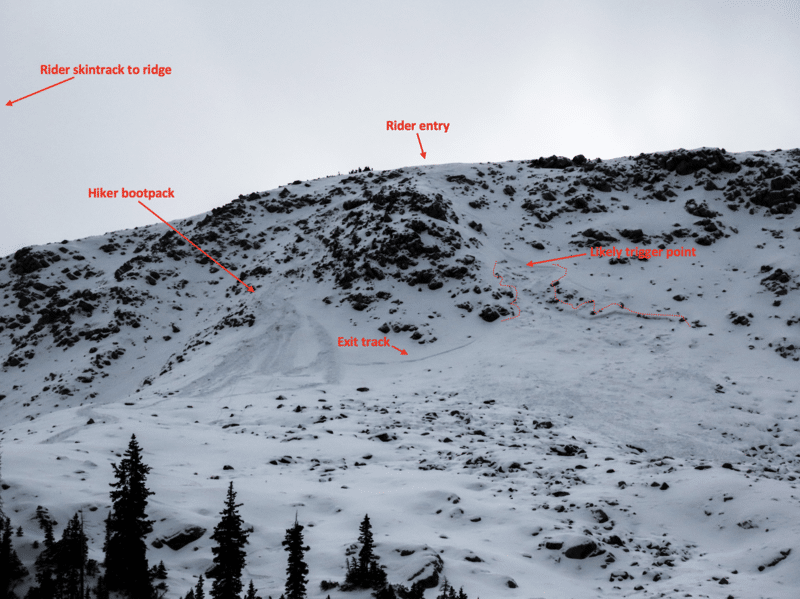
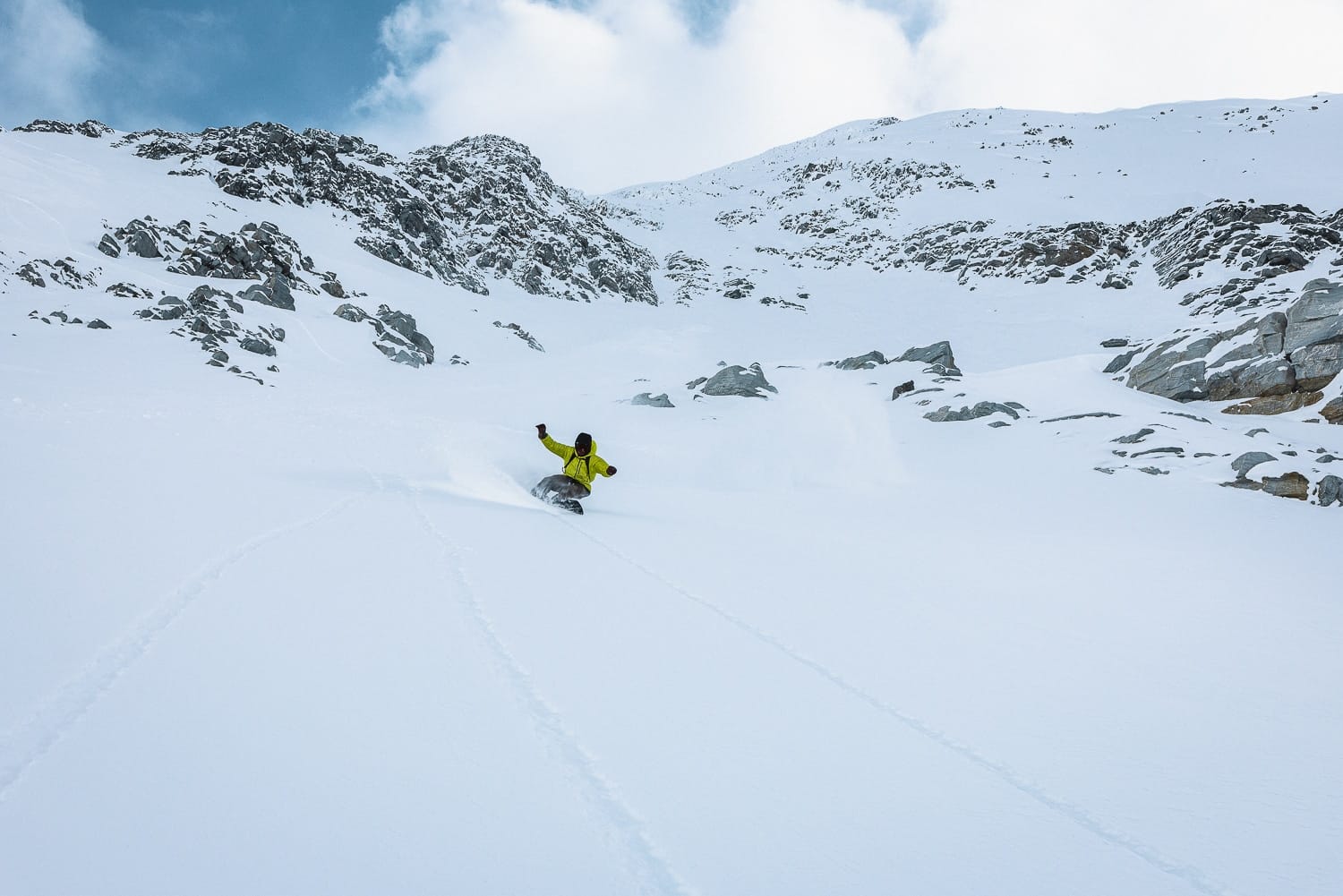
An incident in Red Pine up Little Cottonwood Canyon, we think, serves as a reminder of the potential for early-season avalanches. We’ll include images from the UAC site, but it’s worth noting that we are grateful to those who populate avalanche sites with reports of accidents/incidents. In this case, a solo backcountry traveler sent in an image and posted the obs on 11/23 (they observed the after effects of a slide from a distance).
A UAC staffer added this comment after the initial observation:
“This likely snowboarder-triggered avalanche on a NE aspect near 10,600′ was ~13″ deep, ~150′ wide, and ran about 200 vertical feet. 4-6″ of dry, wind-packed snow initially was triggered and stepped down to the 8-10″ of the weak faceted grains that make up the majority of the snowpack in this basin. While there are various thin melt-freeze crusts mixed in from our warmer periods earlier this month, the snowpack is made up of a majority of FCs of various sizes.”(For those just getting into the parlance of avalanche reports/observations, FC stands for faceted crystals.)
But let’s go a bit deeper.
On 11/24, a UAC staff member went out for a look. For even the layperson reading this, or the new or old-timer, the near-surface or at-surface rocks are a sign for at best mild injuries (with some luck) if one is carried with any velocity through this type of filter. We’ve also found ourselves plenty of times lured into a pocket of seemingly deep-ish snow in the early season: it’s tough to keep the stoke at bay.
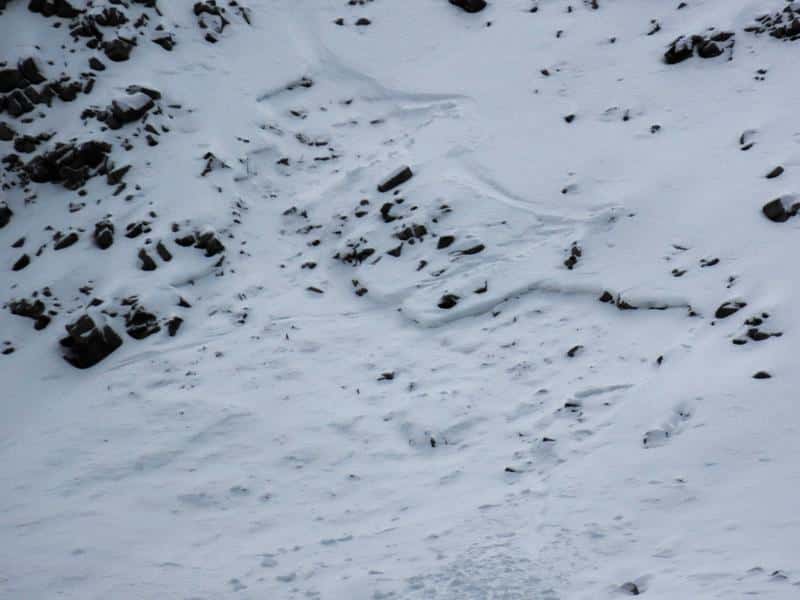
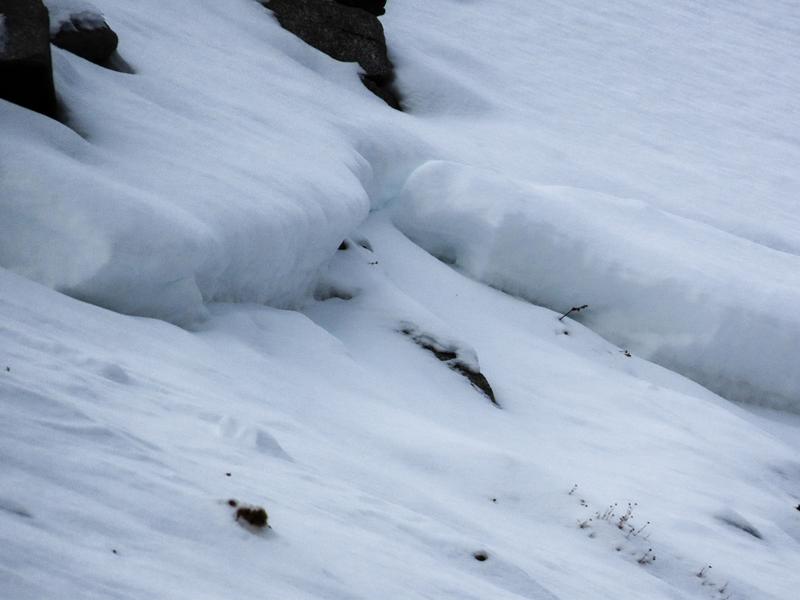
Here’s what the UAC forecaster notes in their observation:
Red Flags
Recent Avalanches
Poor Snowpack Structure
Red Flags Comments
The takeaway is that slab avalanches are on the menu in high, northerly, wind-loaded alpine terrain—especially near rocks, and on the leeward sides of ridges. Recent reports of avalanches in the Cottonwoods mostly have been facet-lanches: weak, loose snow moving downhill with no structure. However, this wind-drifted snow avalanche that propagated after likely being triggered by a rider shows us that while these are more the exception than the rule right now, they are possible in just the right, or wrong, places. As we head into the next storm system, keeping events like these at the forefront of our minds will help dial back early-season powder fever. We’ve all been waiting for winter to arrive, but I’ll be thinking about this snowboarder’s experience moving forward.
What’s so great here is the attention to nuance. This right here will, at least, keep this editor on their toes, “while these are more the exception than the rule right now, they are possible in just the right, or wrong, places.” Also, it has been a very slow season regarding snowpack depth. But nature will do as nature does, proceed as she does with an orchestration of infinite variables. One thing is certain: for meager snowpack on slopes experiencing clear, cold weather with little to no direct sun, stability problems could develop in the near and long term once the snow flies. And, it will. (Right?).
Our job here at THR, said with a smile, is to fan the stoke-flames (said with a smile), but it is also to give us all a moment to educate ourselves. Thanks for reading. Stay safe.
Leave a Reply
You must be logged in to post a comment.