
After reading the back and forth regarding the La Sportiva Kilo and Skorpius CR II (and 1st iteration Skorpius)…it’s time for a closer look. I suppose the first item up for debate, or to at least ground truth, is weights. The two boots, perhaps designed as a means for different ends, are similar in weight.…
This is not a Cage Fight: Skorpius and Kilo
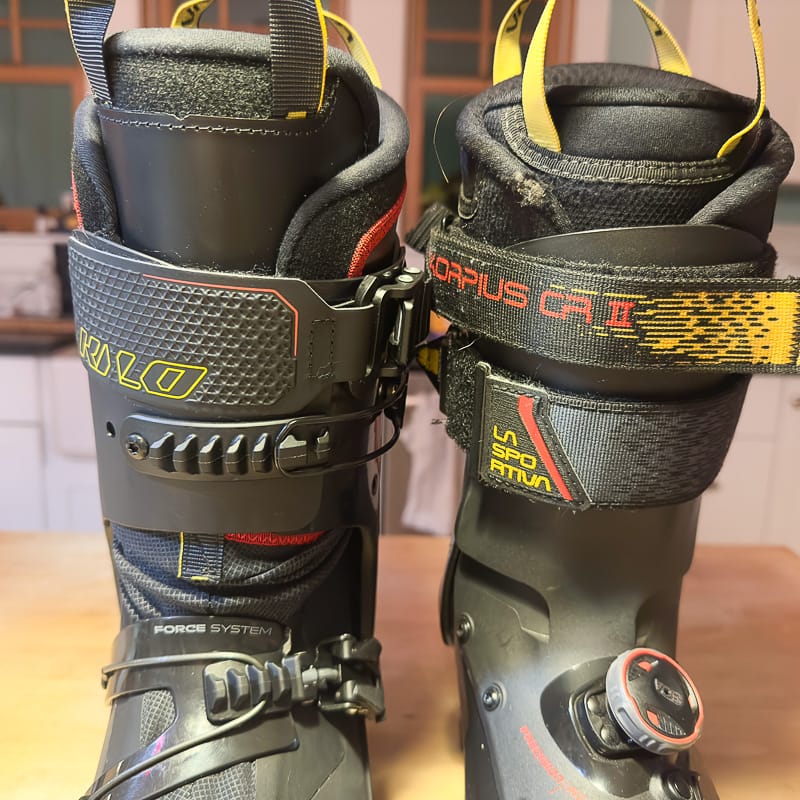
With the Kilo on the left, the two boots take different approaches to securing the upper and lower shell.
Responses
-
Despite similar weights, would you say the Kilo is superior for multi-day traverse, while Skorp may be the choice for objective-oriented downhill skiing?
-
Hey Alex, maybe not a totally easy question to answer in this case. Personally, I’ve always opted for higher ROM (less friction) and 1kg class boots for multi-day traverses. Considering I’m doing these types of tours in spring, when I’m relying on a freeze/thaw cycle…or just a freeze…I don’t need much boot to drive the skis I use, which tend to be 170cm and mid-80s underfoot (and light). There’s also lots of skinning. That high ROM just feels (and likely is) more efficient. But the Skorpius is in a unique spot—it has great skiability (with a smaller ROM /higher friction) and it doesn’t have a big weight penalty compared to the Kilo. If your pack is beyond, say, 40 pounds, a beefier boot might be helpful. I’ve used boots similar to the Kilo on multi-day tours (Fischer Travers, Dynafit TLT X, Dynafit Blacklight) all to good effect with packs around 40 pounds and under. That said, with a lightweight boot (like a Kilo), a 25-30 pound pack is much more tolerable for me. Under the right conditions, I could see using the Kilo as an objective ski in spring, with the caveat that the snow is not 3D and you are using smaller/lighter skis. If you expect more variable conditions, and you are using bigger skis, the Skorpius might be the ticket for objective skiing.
-
-
Jason, do you have a picture of the Skorpius II’s front of the cuff?
I had been buckling it “normally”: tongue inside, cuff wings on the outside.
But I just noticed that there is text on 1 of the cuff wings that says: “this piece in”.
That means the tongue is on the outside on one side, and on the inside on the other. That seems strange. It also comes close to the buckle. Do you know how they are supposed to be buckled/layered?-
And on the La Spo website it shows the cuff wings both on the outside.
-
Latest Features
-
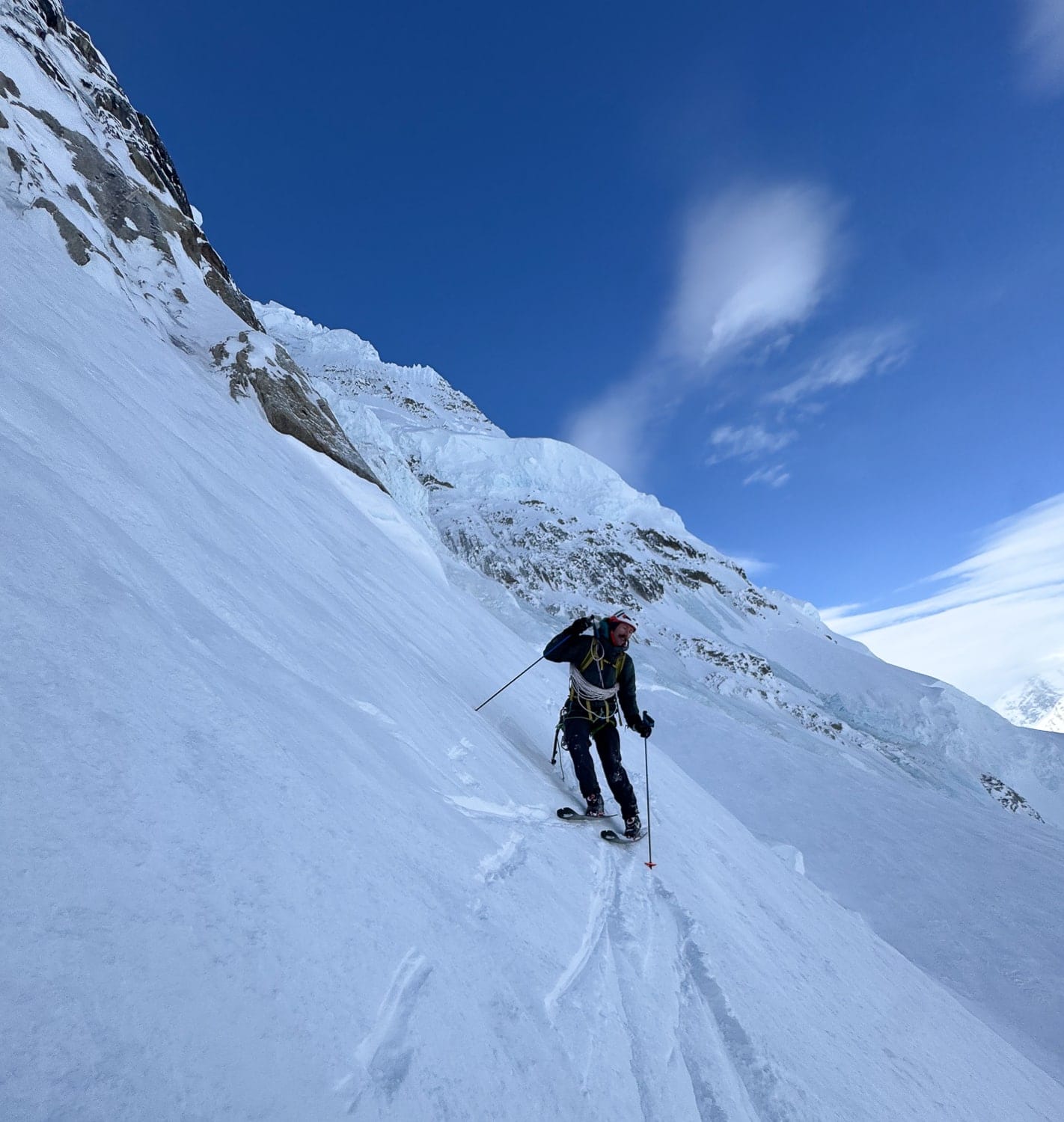
Ryan Griffiths, somewhere cold. Photo: Aidan Whitelaw
The High Route Podcast
The Progression Episode with Ryan Griffiths
-
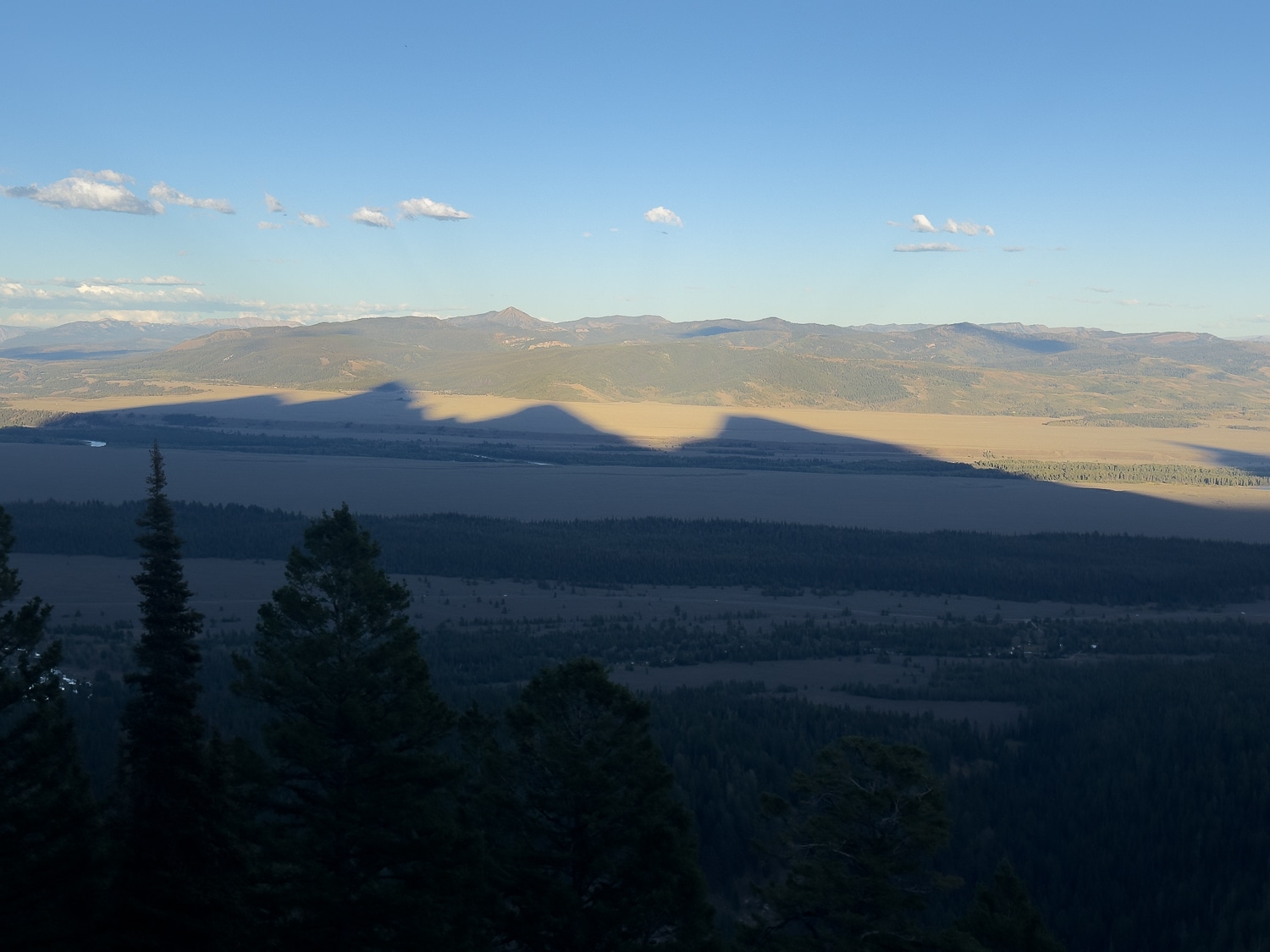
Teton shadows extending toward the Gros Ventre.
Public Lands and the Touring Scene
A look at proposed rule changes in the public lands space that could affect the touring scene.
-
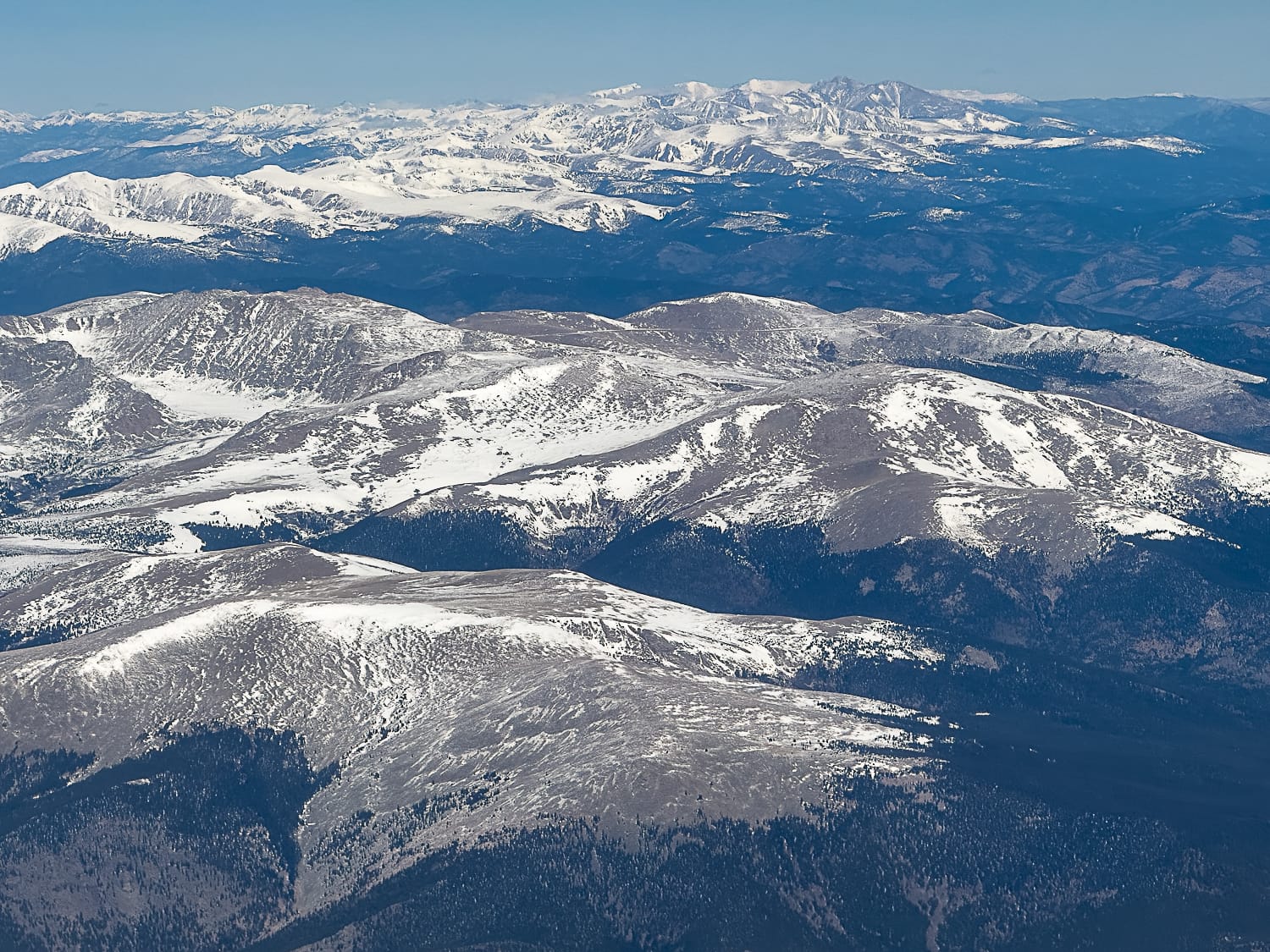
Aerial view of the snow drought in Colorado's Rocky Mountains on March 4, 2026. Photo: Mitch Tobin
The High Route Podcast: The Snow and Water Episode
With Journalist Mitch Tobin.
-
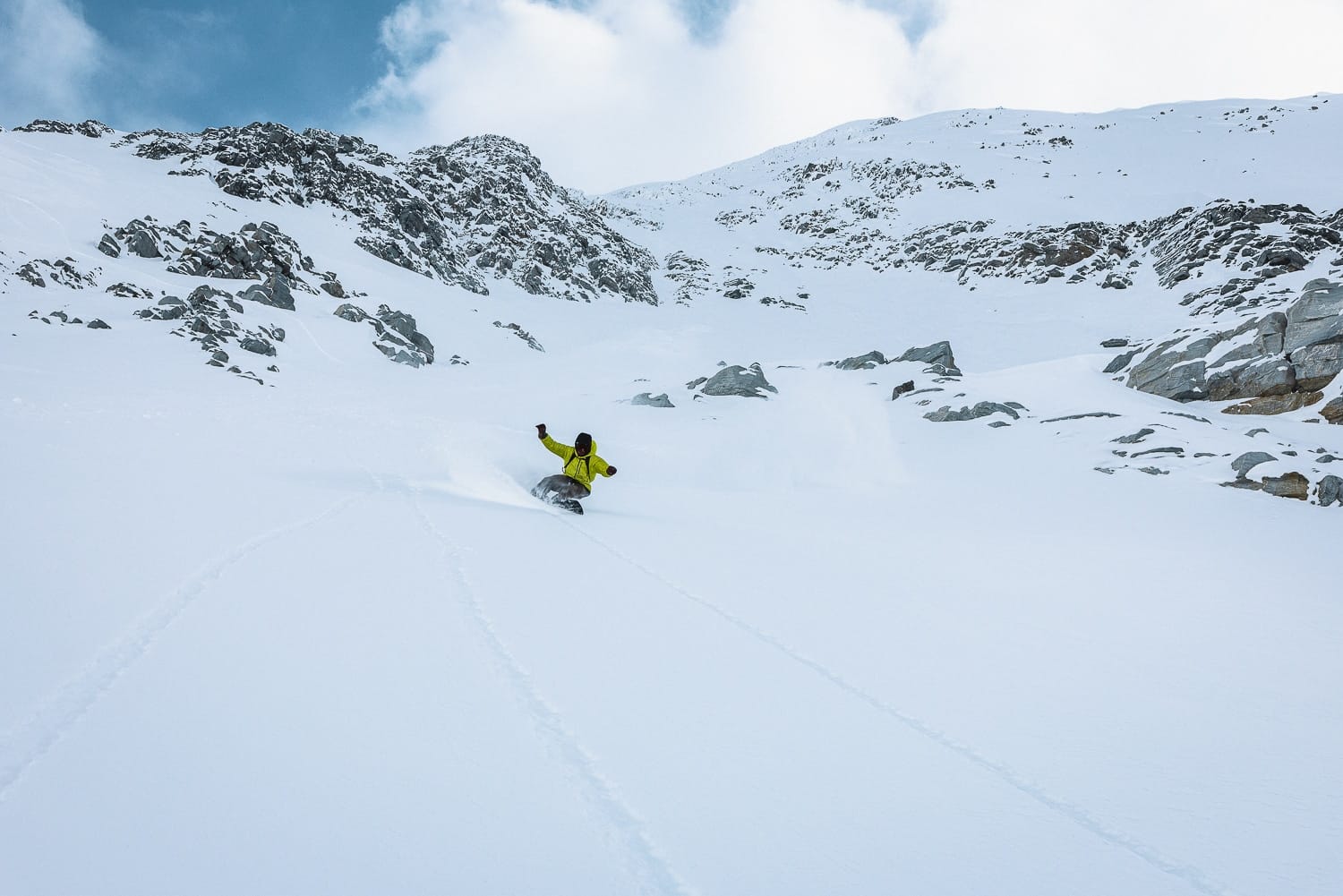
A multi-faceted Zahan Billimoria finds his riding flow. Photo: Matthew Tufts
The High Route Podcast: Part 2 with Zahan Billimoria
Touring Like A Naturalist.
Leave a Reply
You must be logged in to post a comment.