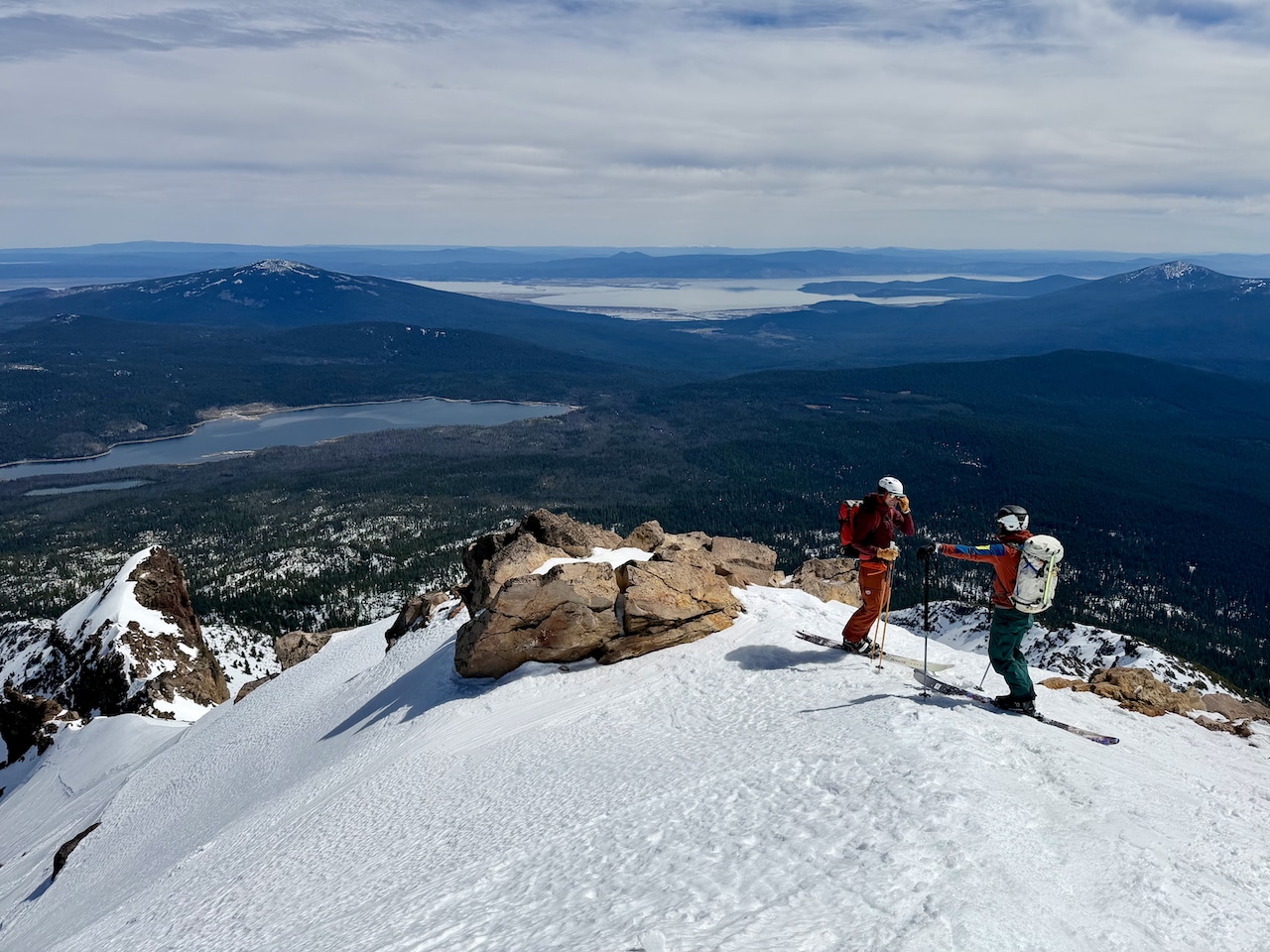

Yesterday morning—a good morning—I sat for an hour with Kevin Grove here in Bend. Kevin has been in town a while, and he helped found our local avalanche center, COAC. We discussed something adjacent to avalanches. We spoke of risk and luck and our own shifting risk profiles. But mostly, we spoke of personal loss and how the ripple effects of that loss certainly dissipate over time, but it still ripples.
One thing we did not speak about, but I’ll dive into here a bit, is the data we use to make a certain decision—like whether to descend a slope tenusouly or hooting and hollering or not to descend the slope at all. I think if I’m honest with myself, there’s really never a single thing I can pinpoint as to why I pivot to yes or no, or even a maybe, when considering if I’ll move through certain terrain. And although I use my phone to navigate through terrain on occasion, it’s usually in places I’m unfamiliar with. I use onX Backcountry. Which is not to say that other mapping apps, or a combo of mapping apps, are not viable. They have, over the past few years, incorporated some solid features related to avalanche forecasts. One of which is the Avalanche Terrain Exposure Scale (ATES). We’ve covered the ATES scale and even onX’s adoption of it, which is where we are going here, in the past.
Here’s what Avalanche Canada says about ATES: “The Avalanche Terrain Exposure Scale, or ATES, is a system of rating backcountry terrain based on its exposure to avalanches.” Key point: this scale does not take into consideration the day’s avalanche forecast. It is static. (Linked below are some resources if ATES is new to you.)