
Not the same as rapping hobbits or hopping rabbits, wrapping habits is the process of myelinating our neural pathways. We build habits through repetition. Each repetition of, say, a movement, or even a thought, or a feeling, travels on a chain of neurons, which forms a circuit of nerve fibers. The more we fire a particular circuit, the more permanent or well-performed that pattern becomes. This is made possible by a complex of proteins and phospholipids that wrap around nerve fibers, forming what’s called the myelin sheath. Myelin wraps around the nerve fiber circuit, increasing signal strength, speed, and accuracy within the circuit. The more we fire a specific circuit, the more myelin wraps around it, and the easier it is to fire in the future. You may be a hobbit’s rabbit or a hopping rapper, but I think you can see where this is going; when we repeat specific patterns, we wrap specific pathways that form particular habits. Yes, this is a ski article. But you can take it a lot further. Our mental habits are no different from our physical ones. We have learned, practiced, and reinforced them. We react in ways we have learned and practiced. You are probably reacting in a well-wrapped way as you read this right now. Interestingly, we cannot undo our old habits as easily as we can form new ones. And what are some habits to improve or new skills to acquire? There’s mastering the kick turn, weighting the ski, and skin just so when ascending over a steep roller, or wiring the sequence for faster transitions (although slow transitions have their place, too). So how do we do it? Predictably, we must target specific motions (or reactions, thoughts) we want to make. Break the motion we want to learn into smaller pieces, and practice them repeatedly with focus. But more interestingly: Make mistakes! Lose your balance! Do it wrong! Screw it up. And then, correct those mistakes, fight to regain your balance, and after doing it wrong, work to do it right. It is not only the repetition that matters but the process of learning, which includes screwing it up. Screwing up is not only ok. It is vital. And it is vital to correct the mistake. Again and again. Screwing up is the opportunity you have been waiting for! Embrace it and correct. Losing your balance as a skier is, perhaps, one of our greatest opportunities. When you fight for balance, you strengthen the neural pathways that support it, along with the muscles, awareness, and the habit of balance. Without pushing yourself to lose balance, you will never develop better balance. You must fail to improve.
Wrapping Habits
An article about the gift of screwing up.

A path to better balance.
Latest Features
-
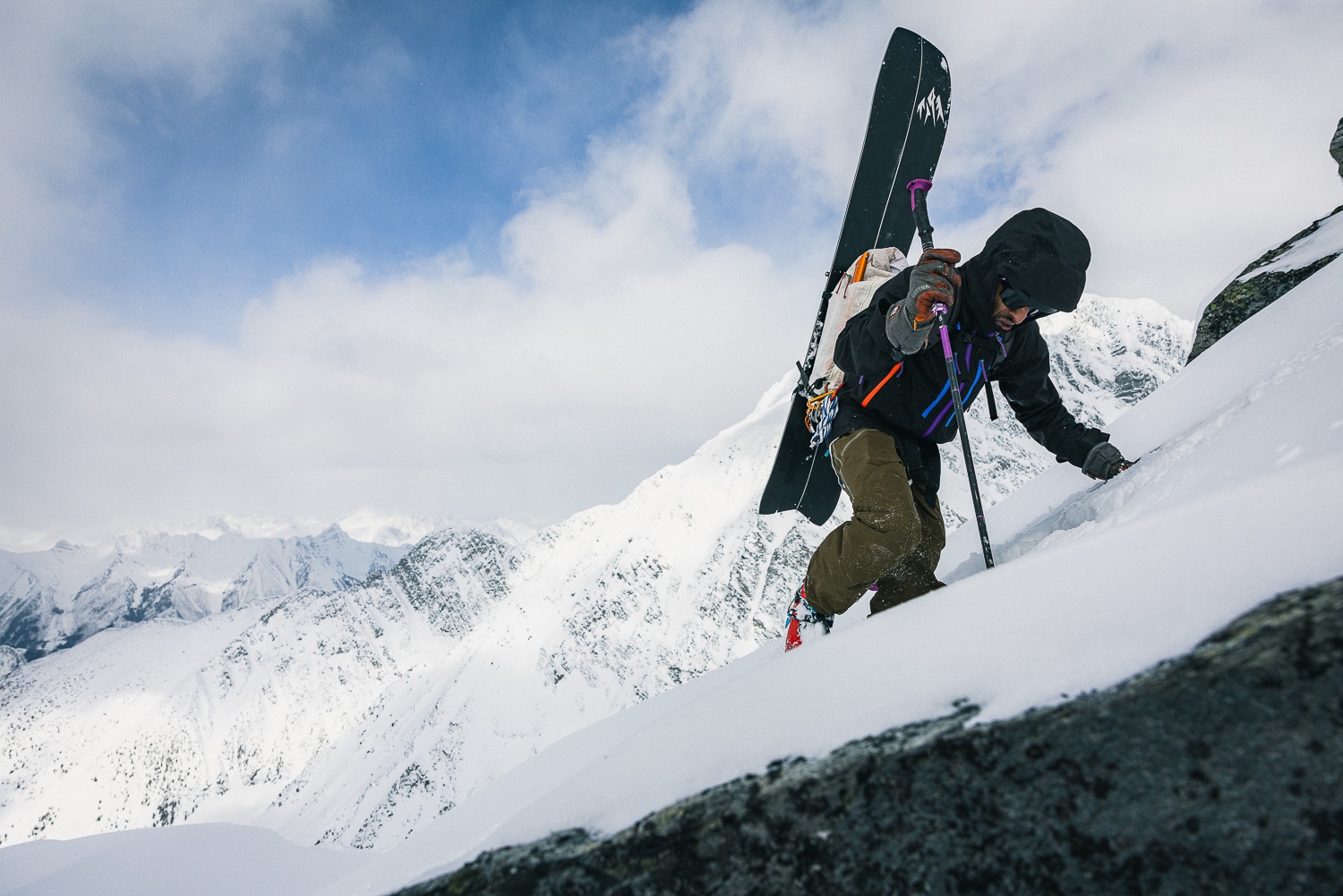
Zahan Billimoria, IFMGA guide and the founder of mountain-athlete training programs at Samsara Experience. Photo: Matthew Tufts
The High Route Podcast: An Offseason Reboot with Zahan Billimoria
Making the off-season count for the inevitable turns ahead.
-
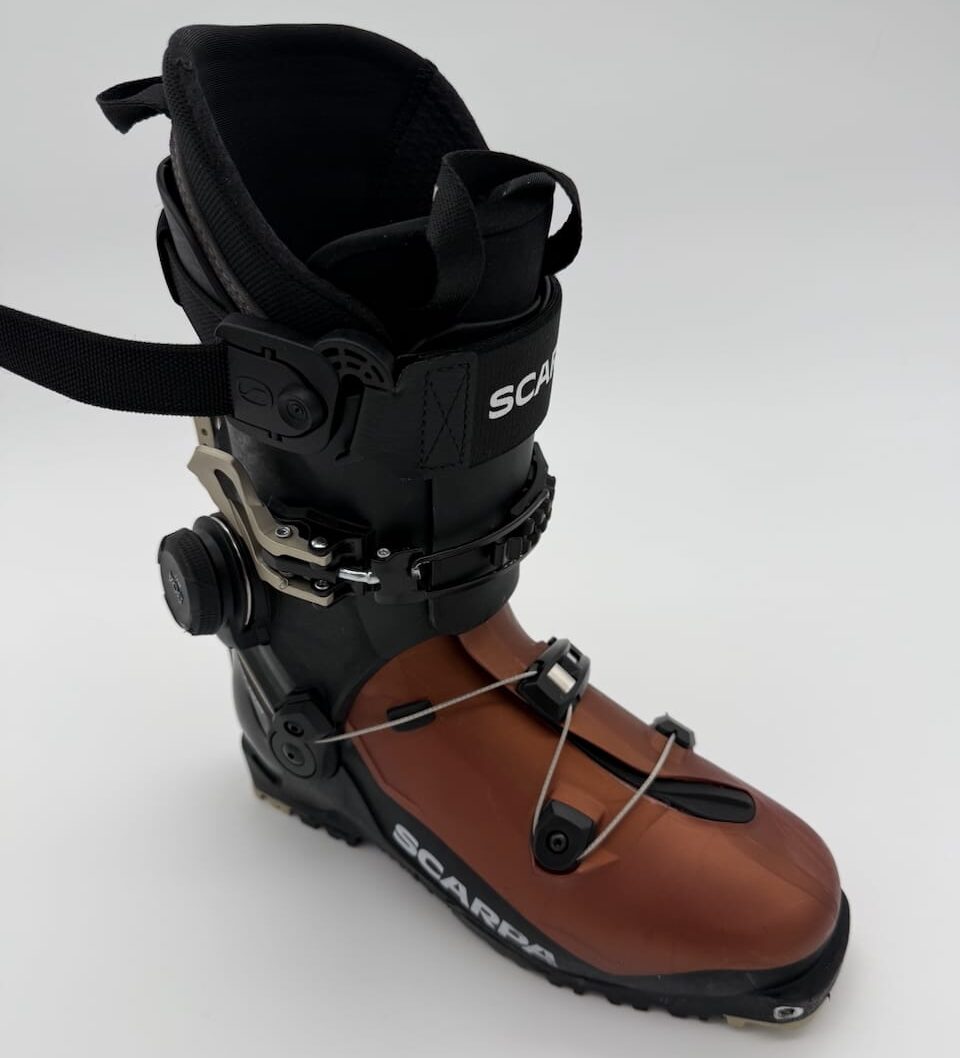
Scarpa’s new F1 RS boot features the BOA H+1 system: a first for a boot under 1800g.
Review: Scarpa F1 RS Touring Boot
-

Dean Potter highlining toward Yosemite’s Lost Arrow Spire. Photo: HBO/The Dark Wizard
The Dark Wizard Breaks Through the Noise
This four-part HBO documentary on Dean Potter shines.
-
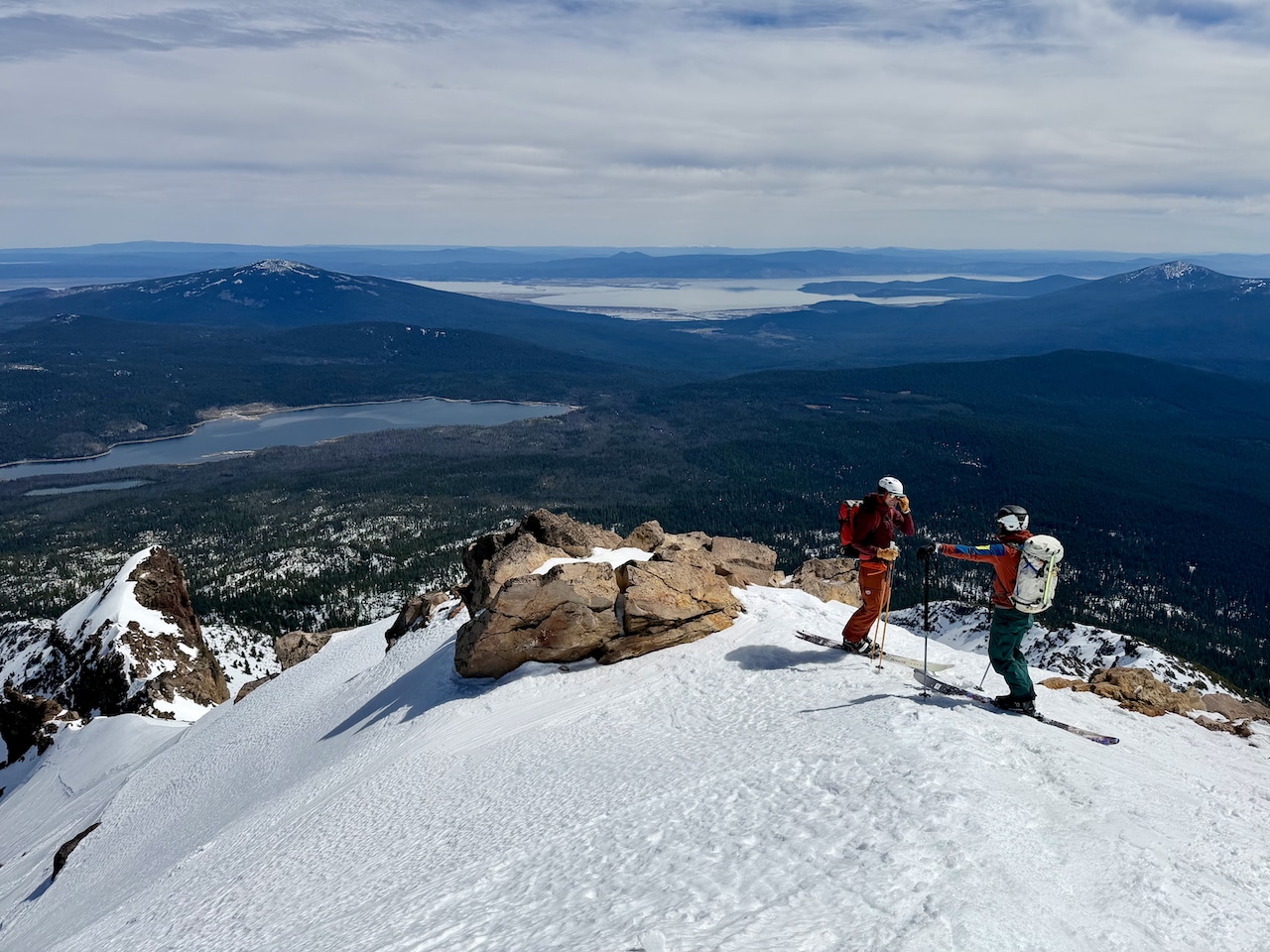
Mount McLoughlin and a fine view. This is tele-Sakana country.
Tele-Kana: Standing Forward, Moving Sideways
During this meager winter, @wicknasty finds some bliss.