
Intro
This story starts with my love affair with the 4FRNT Hoji, which opened my eyes to the maniacal fun of surfy reverse camber skis in powder snow. My wishes for a lighter-weight, Hoji-style ski were answered in 2023 with the advent of the Heritage Lab BC110—a lightweight powder surfer that was only usurped by the similarly light but fatter BC120 I scored this past season. Long story short, Heritage Lab Skis have been the main object of my ski lust for a few years now. Diving into the Heritage Lab a bit, the reasons for their designs resonating so well start to make sense; the founder and decision maker at Heritage Lab, Marshal Olson, is a powder touring enthusiast in the Wasatch, has loads of experience working at brands like DPS, and most importantly, is hyper-tuned in to his community and customer base. One can follow along on the TGR forum, where ski ideas and feedback often come in as forum posts/comments, and Marshal responds, often implementing feedback and ideas into designs.
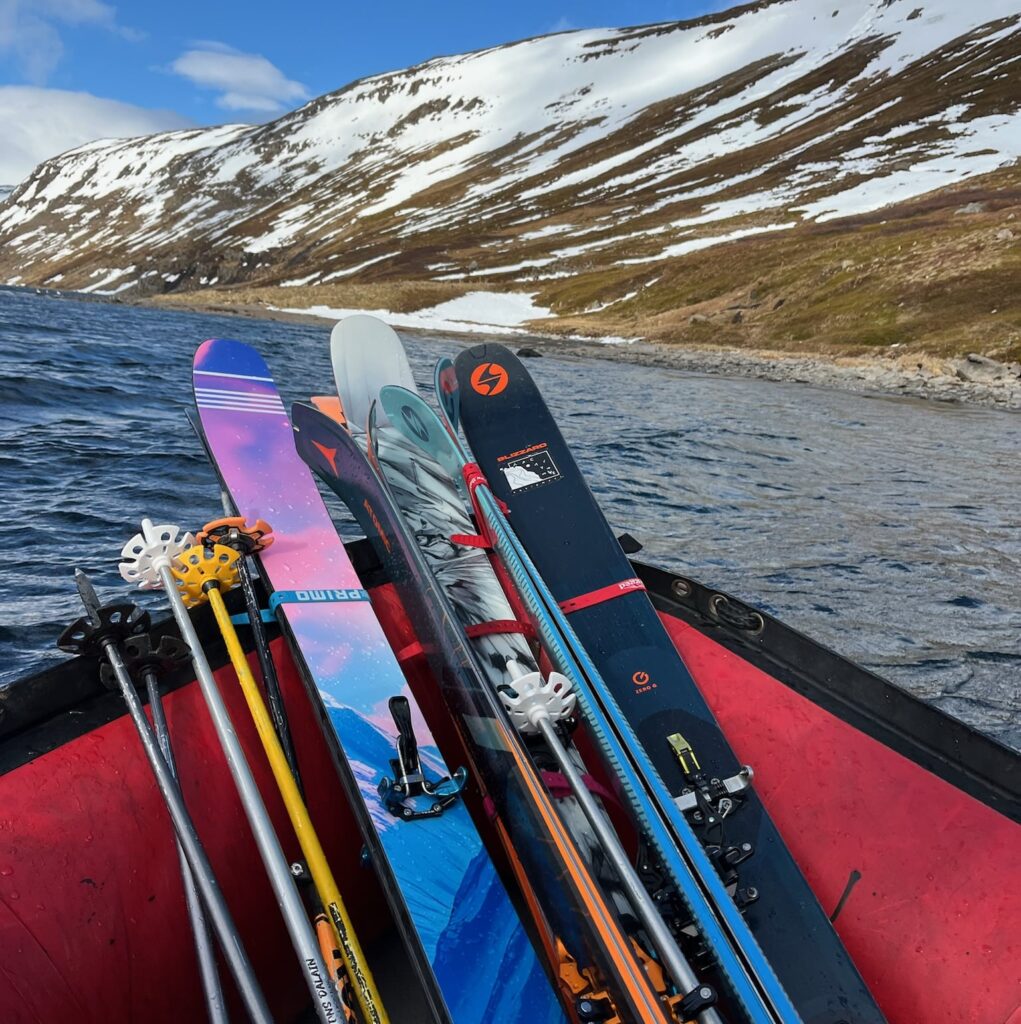
While I continue to love my reverse-camber skis for powder snow, I didn’t totally click with the Heritage Lab BC90, whereas I (among other THR contributors) really enjoy the almost-flat camber and long, gentle rocker profile of the Black Crows Solis. It seems the rest of the industry took notes on this concept, which isn’t revolutionary by any means, but the combination of long radius, minimal camber, and a good bit of rocker without extreme tip splay makes for an incredibly versatile package. Marshal threw his hat in the ring in this category with the BC100, serendipitously timed with the other major player in the reverse-camber touring ski game, 4FRNT, which released its Nevar, featuring some camber and a similar rocker profile.
Long story short, it’s a great time to be a gear-obsessed ski tourist. We have so many options and an awesome ability to optimize and fit our needs and desires better than ever. This isn’t so much a sales pitch for owning more skis, but more an appreciation for our ability to get exactly what we are looking for in the skis we do own.
Design Highlights
The 100mm touring ski category has been the object of my fascination for quite some time now. From the radically rockered OGSO Schwartztor to more traditional skis like the Black Crows Navis, the variety of styles and characteristics available at this width is what keeps me interested. Additionally, for most skiers, in most locations, most of the time, a 100mm-ish ski is an integral (or the only) ski in a quiver.
While the Solis is described as “voluntarily ultra specific”, the BC100 website copy reads “Any snow. Every day. All season long.” In light of the similarities between the skis, I find this fascinating, and Marshal’s copy to be more in line with my experience. Versatility is the name of the game with the BC100.
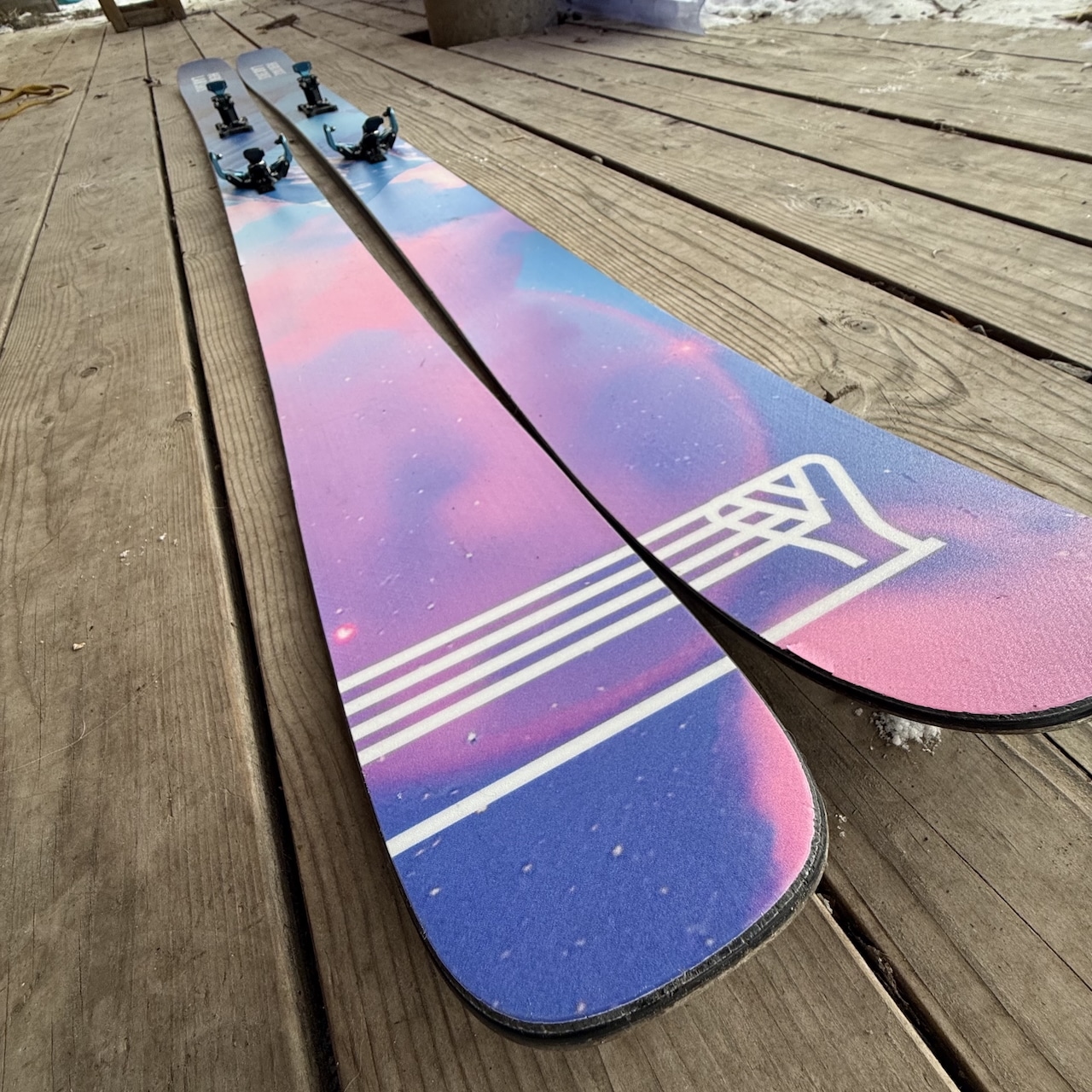
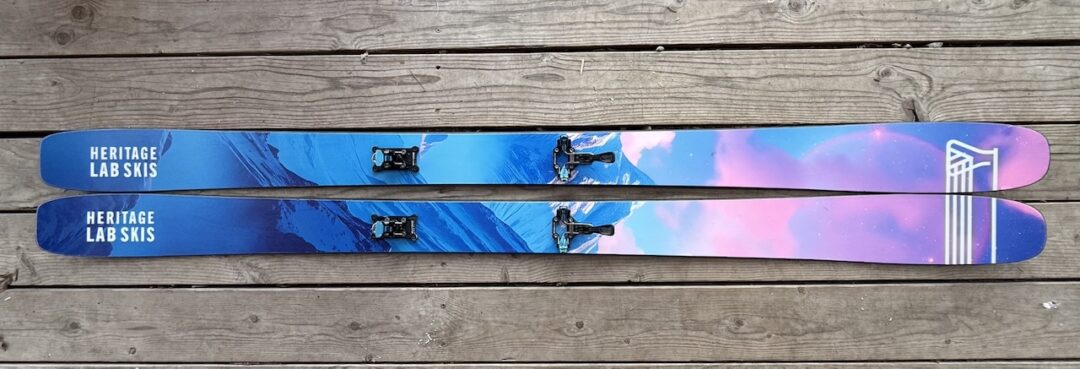
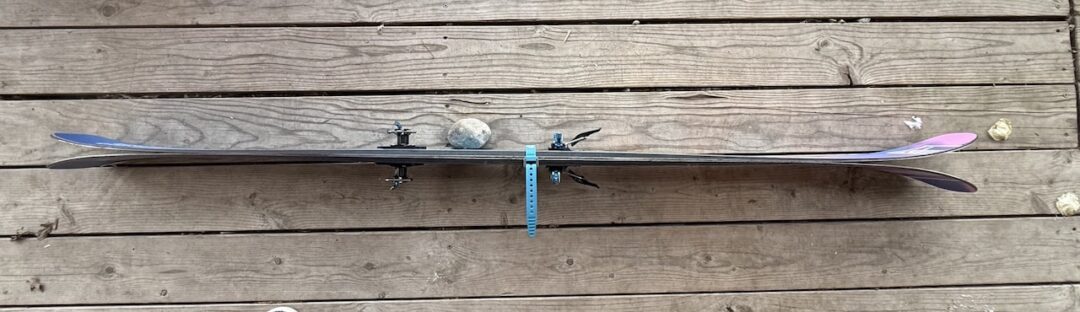
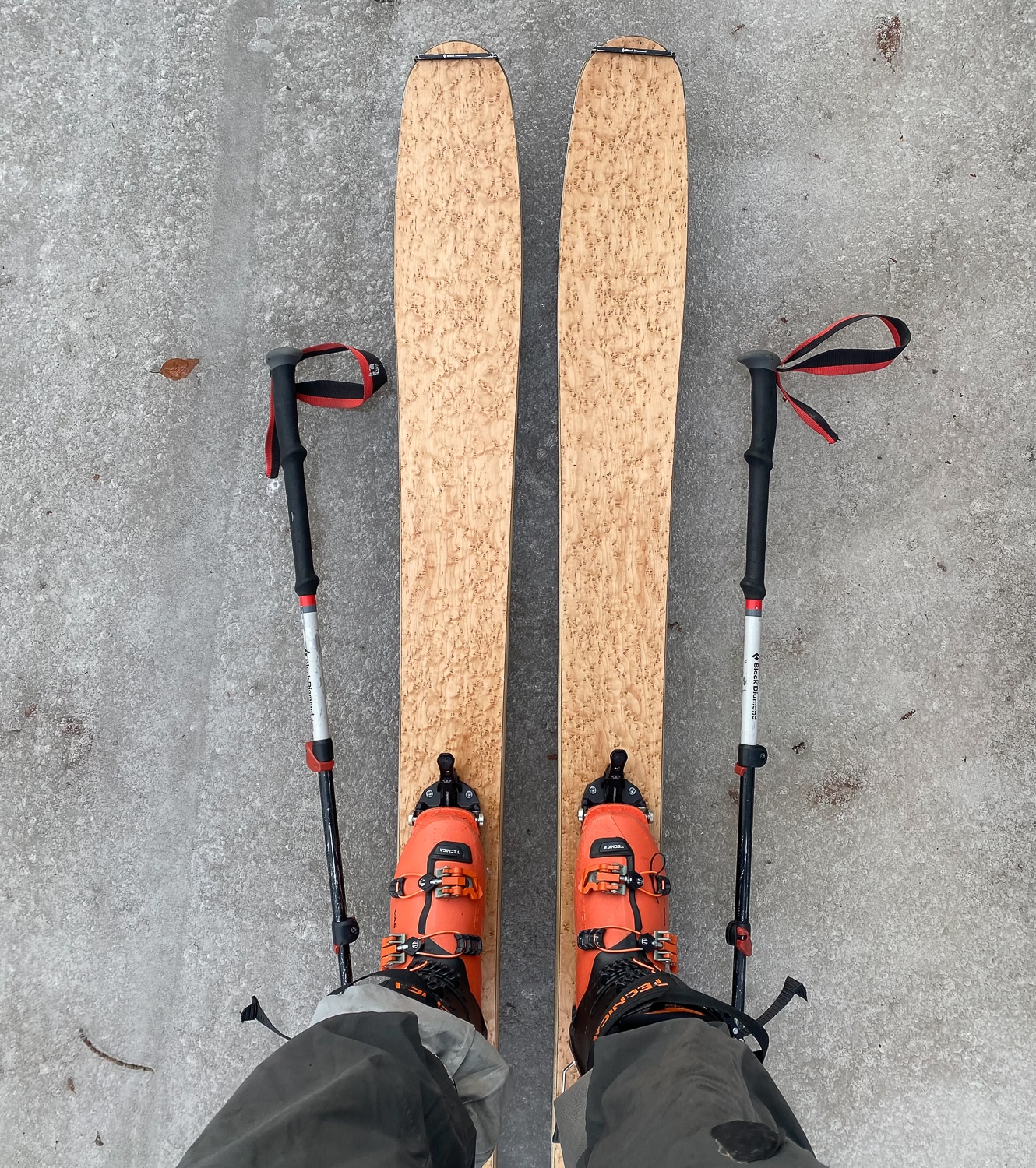
Let’s dive into the design and specs here. As discussed above, the BC100 features an almost flat camber with gentle but significant tip and tail rocker lines. In combination with a medium 20m turn radius for the 180cm ski, a good amount of tip and tail taper, and a progressive-ish -6 to -8cm recommended mount point, this makes for a progressive-feeling twist on a ski that, on the surface, looks pretty traditional.
For comparison sake, the 4FRNT Nevar I have for review this season is a good benchmark on the more rockered, tapered, and heavier-weight side of the spectrum. Meanwhile, the Blizzard Zero G 105 is a reasonable benchmark on the more traditional side of the spectrum with its more minimal rocker and taper, plus a slightly setback mount point (-7.5 to -9 cm). The BC100 shape and profile are quite a bit more subtle than the Nevar, while still being heavily rockered in the tip and tail, and having a decently tapered shovel.
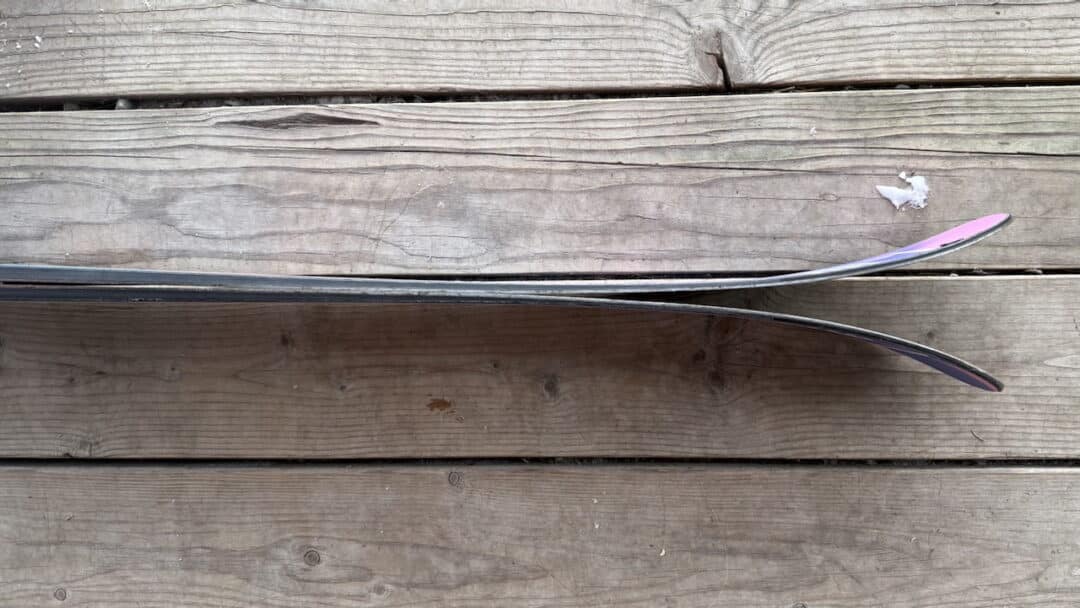
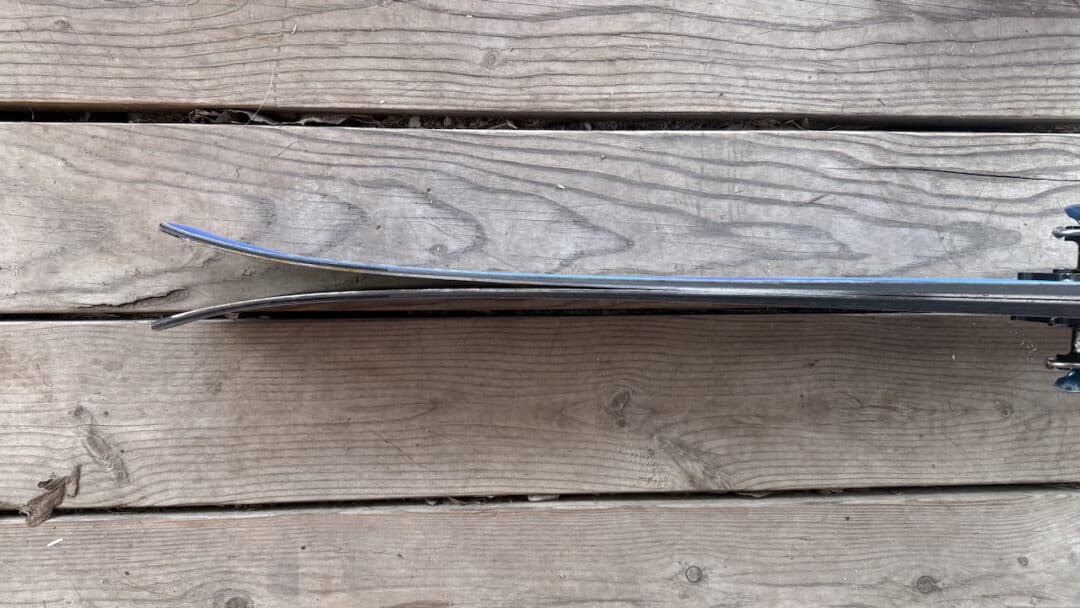
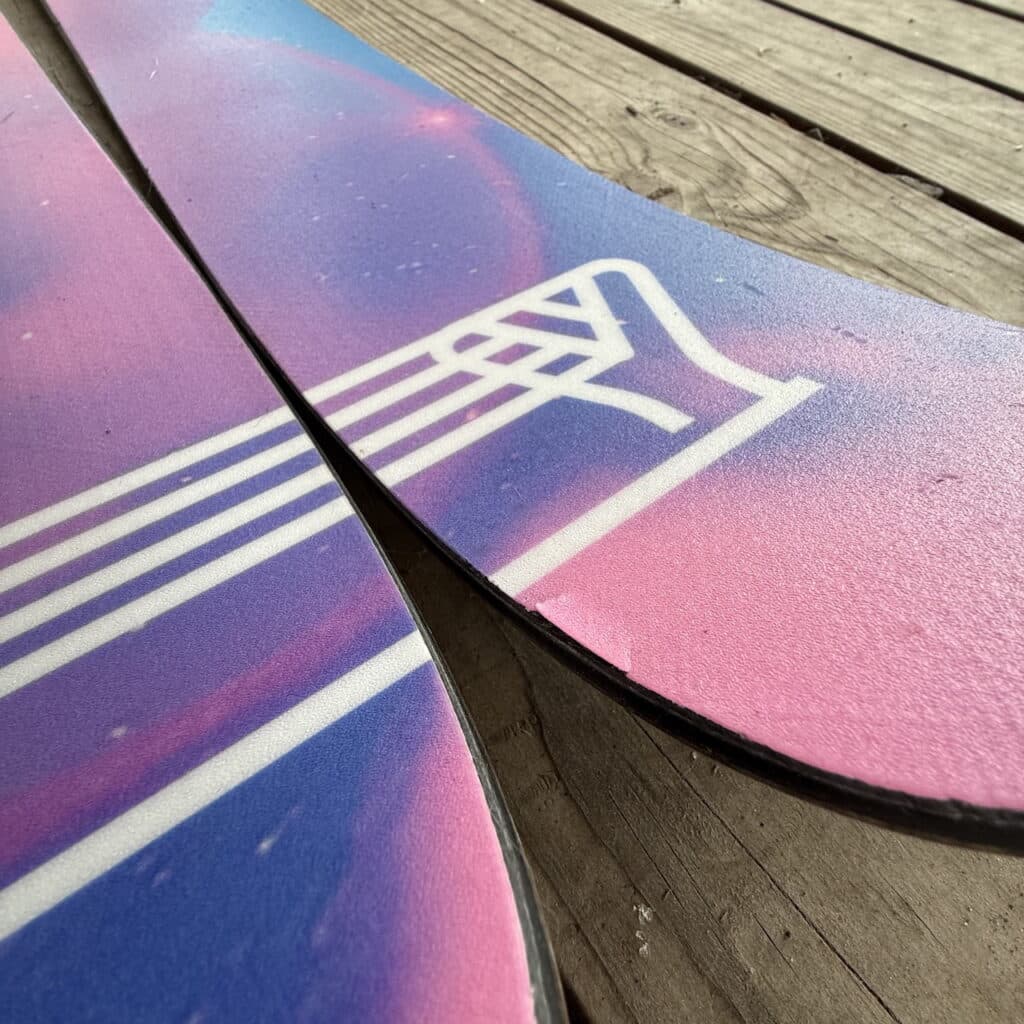
The BC100 features beefy TPU sidewalls and thick edges that wrap the full tip of the ski. The bases are thick and medium-hard when it comes to scratch and core-shot resistance—not as bombproof as Moment or Blizzard, but better than most, and certainly not skimping in the name of weight. I’ve had a few issues with cosmetic top-sheet chips on some Heritage Lab Skis (not the BC100, but it seems limited to cosmetic effect).
Testing Setup
I mounted my BC100s with my go-to favorite Ski Trab Gara Titan bindings on the recommended (-7.3cm) line, with an adjustment plate to open up boot options.
I probably spent 80% of my BC100 days paired with the Dynafit Ridge boot, with side appearances from the Tecnica Zero G Peak, La Sportiva Stratos Hybrid, and this season, the Dynafit Blacklight 2.0. The Ridge and Blacklight were probably the best pairing for the skis and the conditions/objectives I had in mind when I grabbed the BC100.
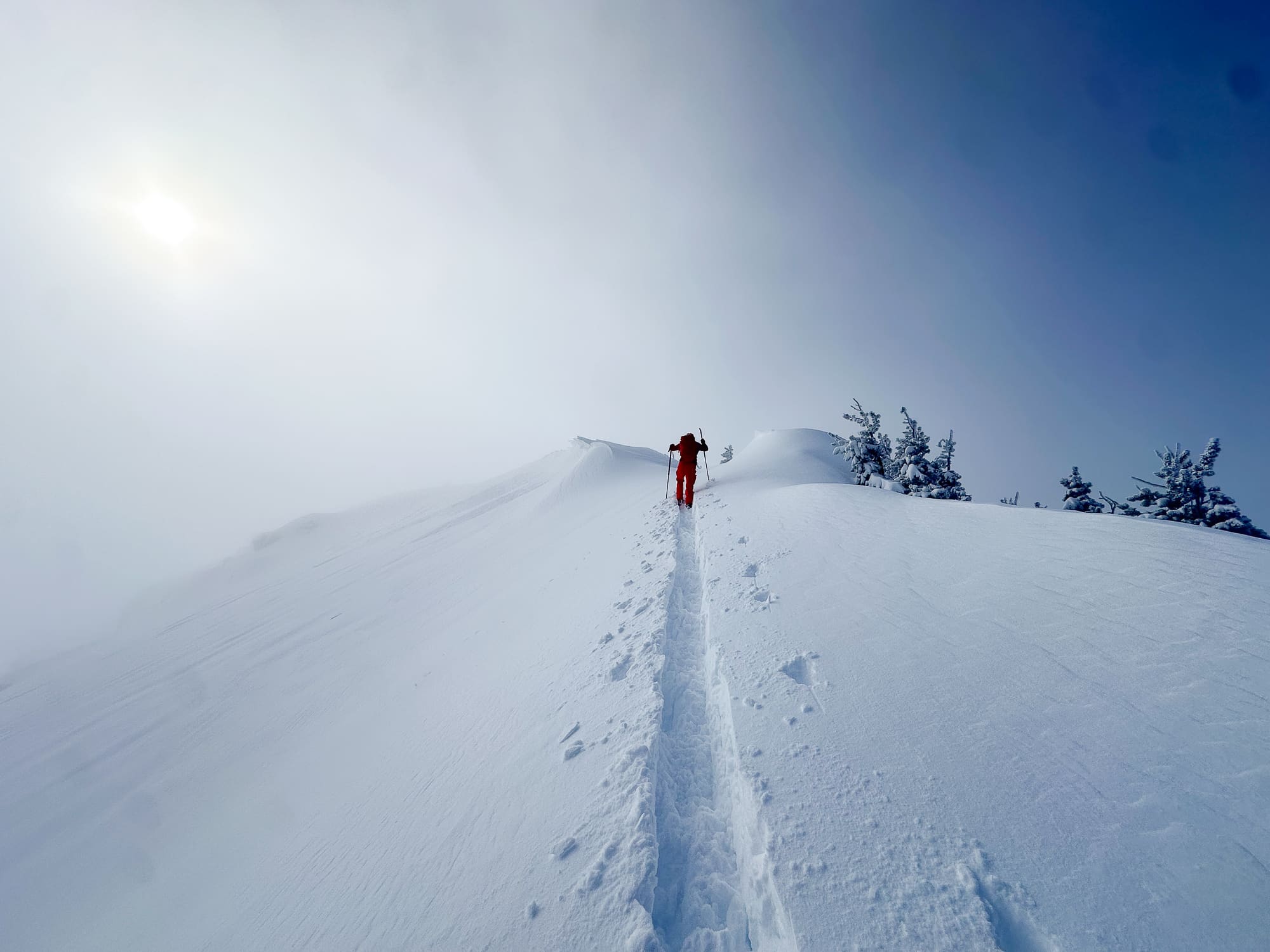
I cut a set of Pomoca Expedition skins for the BC100’s—I appreciated the higher grip on firm/steep skin tracks relative to the Free Pro 2.0.
Field Testing
Powder/soft snow
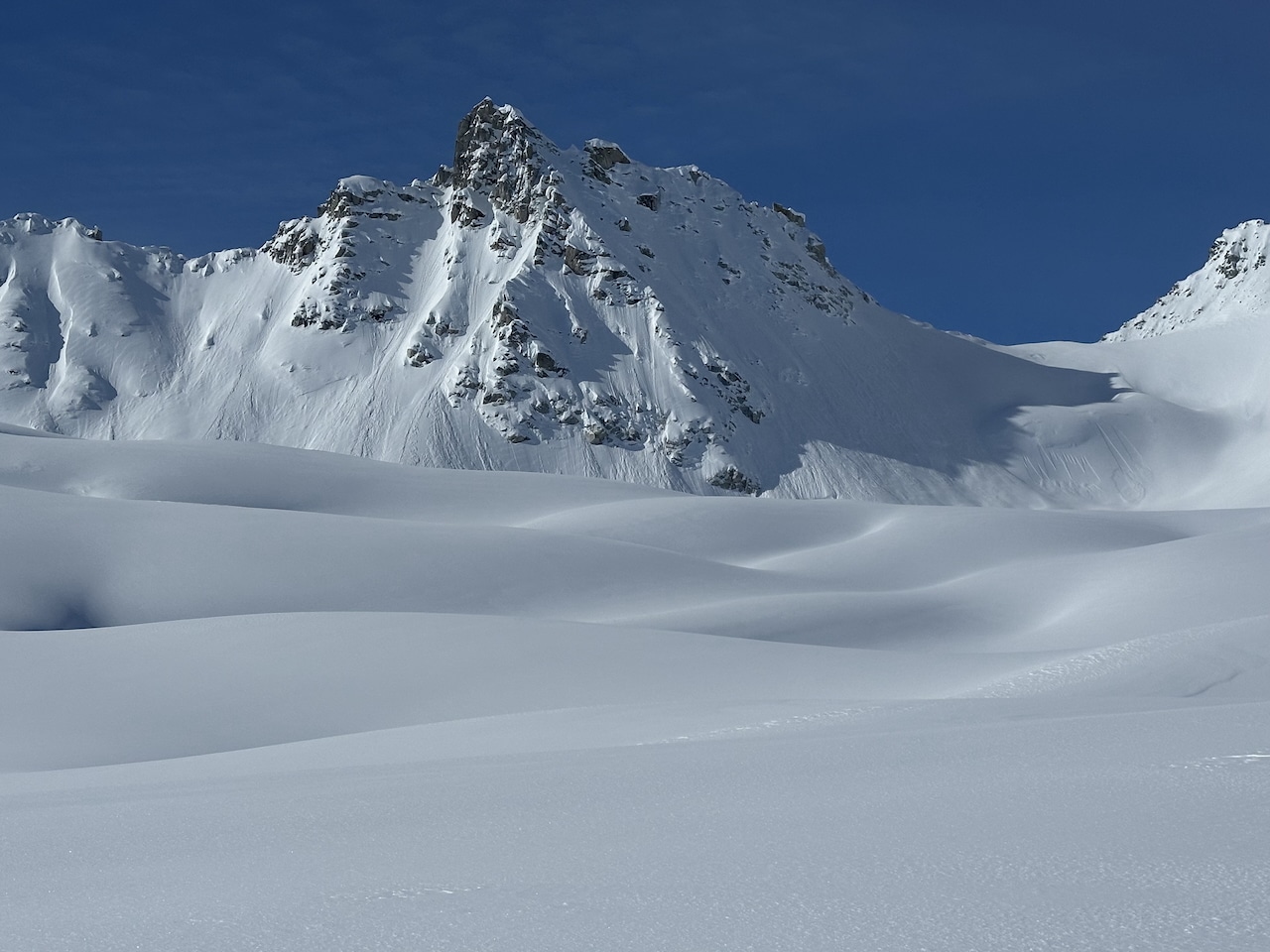
If I remember correctly, my first day out on the BC100 was a planned day in the high peaks of the Tetons that turned into a powder-palooza after the few inches of forecasted overnight snow overproduced into something like 15” of fairy dust powder. What started as a bit of nerves with new skis and plans to ski an exposed run turned into perhaps the deepest powder skiing I have done on the BC100. As expected, it handled our change of fortune admirably, floating sufficiently to maintain some speed and drifting, surfing, and pivoting nearly as well as a proper reverse camber ski. 100mm skis are not powder skis in my world, but the BC100 pulled off powder skiing with some grace and fun looseness, though I would characterize it as slightly less loose and pivot-ey feeling than the Black Crows Solis, which I almost never find myself arcing carved turns on—the BC100 was still happy to carve/arc powder turns along its radius.
Crud/tracked/variable snow
These longer, low-ish rocker profiles, tapered shovels, long turn radius, and rockered tail skis we have been discussing often do really well in cruddy snow. While mass and camber certainly help with damping and suspension, a bit of chop/crud floating/slicing ability, along with a longer turn radius to prevent hookiness, really help lightweight touring skis perform in crappy snow. Similarly, while camber helps with suspension in crud, when the crappy snow turns to breakable surfaces, as it often does in the backcountry, flat camber and a shorter wheelbase are our best friends when it comes to staying in control and managing tough conditions. Clearly, the BC100 checks a lot of the boxes for tricky snow sliding, but they also left me with a more strongly developed opinion that longer, lightweight skis often really struggle with deflection in variable snow. In non-powder conditions, I am continually more and more psyched on my 170-175cm skis for a variety of reasons, but the lack of a long lever arm for deflection is certainly a big part of it. That said, the surface area/float trade-off in powder is significant with shorter skis, so I appreciate how important the extra length is for powder skiing enjoyment.
Firm Snow/Steeps
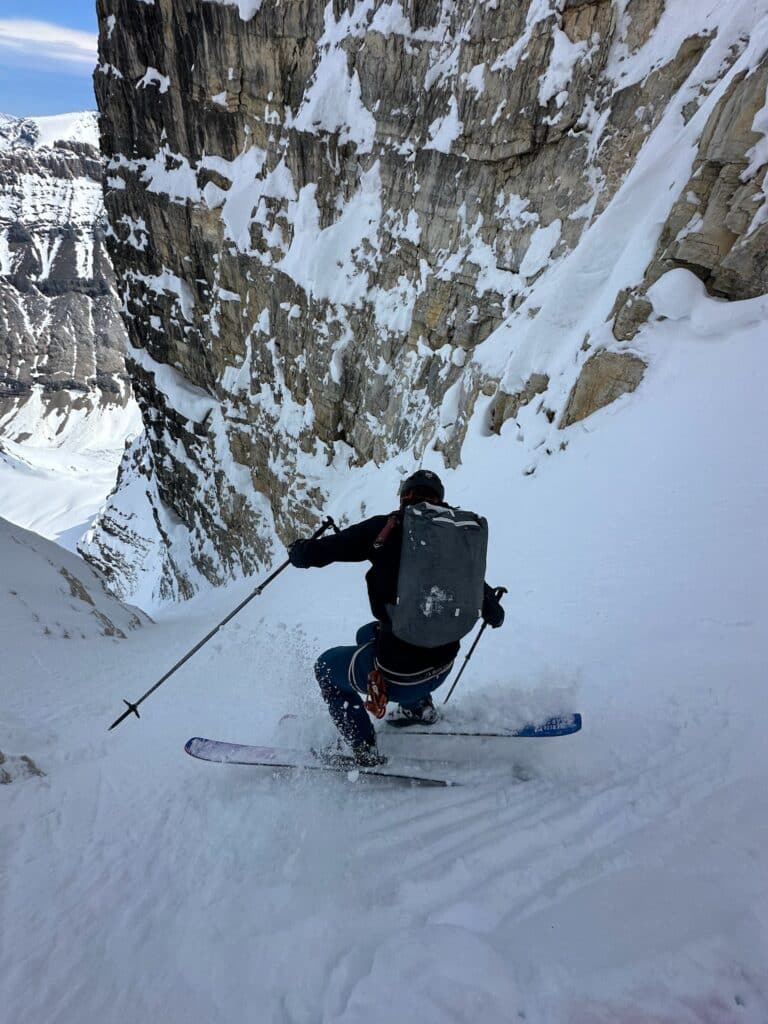
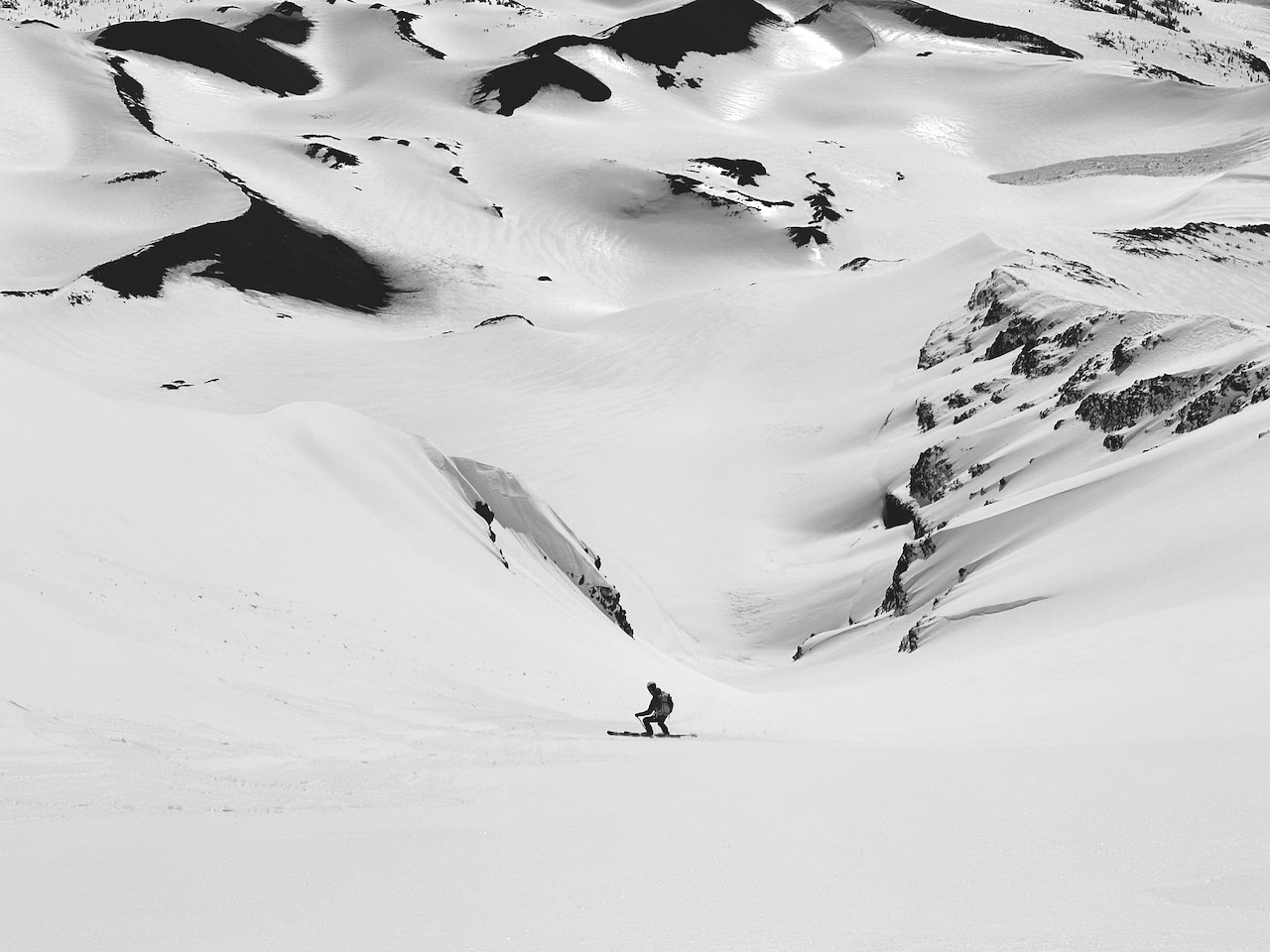
Given its similarities to the Solis, I had pretty high hopes for the BC100’s steep-skiing abilities. I was fortunate to have some awesome days of proper steep, firm couloir skiing on the BC100 last spring, and they didn’t disappoint. Admittedly, they didn’t feel quite as solidly planted as the Solis or Black Crows Navis, but the difference was subtle, and the added versatility and fun-factor elsewhere certainly made the small tradeoff worthwhile. I might not spring for the BC100 for something like a volcano skiing trip or heading to South America for high alpine steeps, but for more classic North American ski mountaineering, where ideally the steep and firm is only a small segment of the day, the BC100 holds up nicely.
Resort Skiing/groomers
Skiing the resort on the BC100 was a total blast—Heritage Lab makes the AM100 that shares the same shape as the BC100, just with a heavier build for inbounds use. Like most touring skis, weight is a significant limitation in the ski area with all its tracks and crud, but the BC100 strikes a nice balance between decent carving ability while maintaining the looseness to pivot and kill speed, or navigate moguls and whatnot.
Conclusion
Compiling my field notes and experience made me start to question how much I actually like the BC100, which is a wild sentiment given how much I have enjoyed skiing it over the past year. I think the sum of its parts is much greater than its performance in any one instance, which, over the course of a day or a trip, adds up to a great overall experience most days out. It’s the ski I grab when I don’t know what to expect on a big day out, but also when I know I’m headed into a mixed bag, conditions or terrain wise.
It’s no secret that I am a big fan of what Heritage Lab is up to; Marshal seems to share a similar vision for ski design and brings a huge wealth of experience with the nuts and bolts of building skis to fit that vision. While that is especially true with powder skis, it’s cool to see that his design chops can apply to an all-conditions, high mountain style ski as well. I’d be interested to see what the BC100 would ski like in a mid-170s length, which sort of exists in the form of the Supernova 100 women’s model. Either way, the BC100 is an awesome candidate for folks looking for a super versatile, progressive touring ski.
Specs
Available lengths (cm): 180 [tested], 187
Weight: verify if possible
Dimensions (mm): 130-100-122
Turn radius (m): 20
Core: paulownia/poplar
Build Comments: Full TPU sidewalls, tip edge, triaxial carbon layup
Shape: Tapered and rockered tips and tails, low camber pocket, medium-long turn radius
Recommended Mount Point (cm from center): -7.3cm
Drill size: 4.1x9mm
Similar Models: 4FRNT Nevar, K2 Wayback 98, Faction La Machine Mini
Price: $799 (Preorder price for Fall ‘26 delivery)
Leave a Reply
You must be logged in to post a comment.