
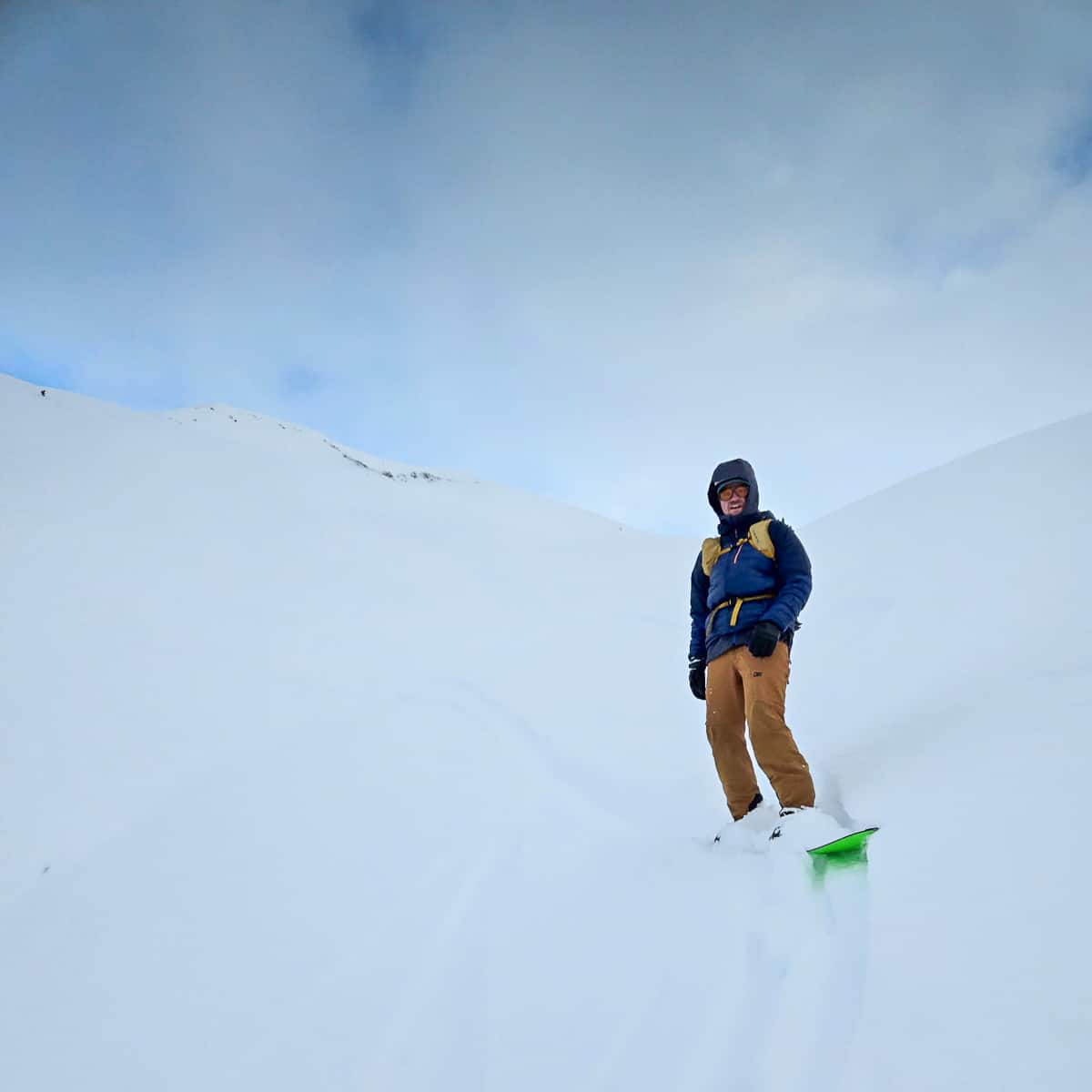
In the spring of 2024, I went crazy, resulting in three new splitboards. I lived on a Forest Service compound in rural Alaska, where mail arrived through the district office’s front desk. Our front desk guy, Hippie Jim, a former ski shop owner in Girdwood, AK, gave me a look of disbelief when the second board showed up. And when the third came, he told me I was crazy. So, I must take him at his word. Game recognizes game.
The board that has really held my attention is the Prior Spearhead in a 172 cm length with its standard fiberglass construction. This is far and away the largest splitboard I’ve ever owned. I was inspired by a Seward ski partner, Mike Burmiester, to go big. He rides a 172 and had previously ridden a 178. As a splitboarder, you see those numbers and your eyes bulge a little bit. You’ve, of course, heard the lore of Sorel boots and 178 cm splitboards in the 1980’s, but snowboarders just don’t ride boards that long in this modern era.
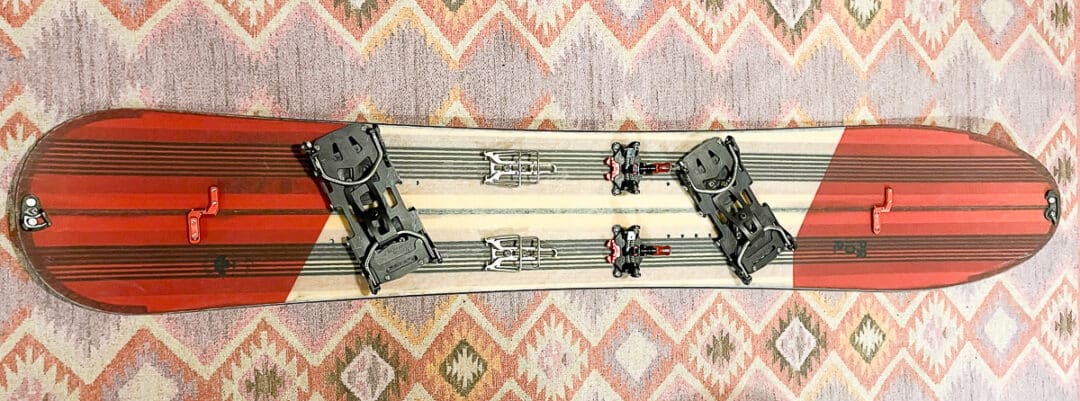
The Spearhead
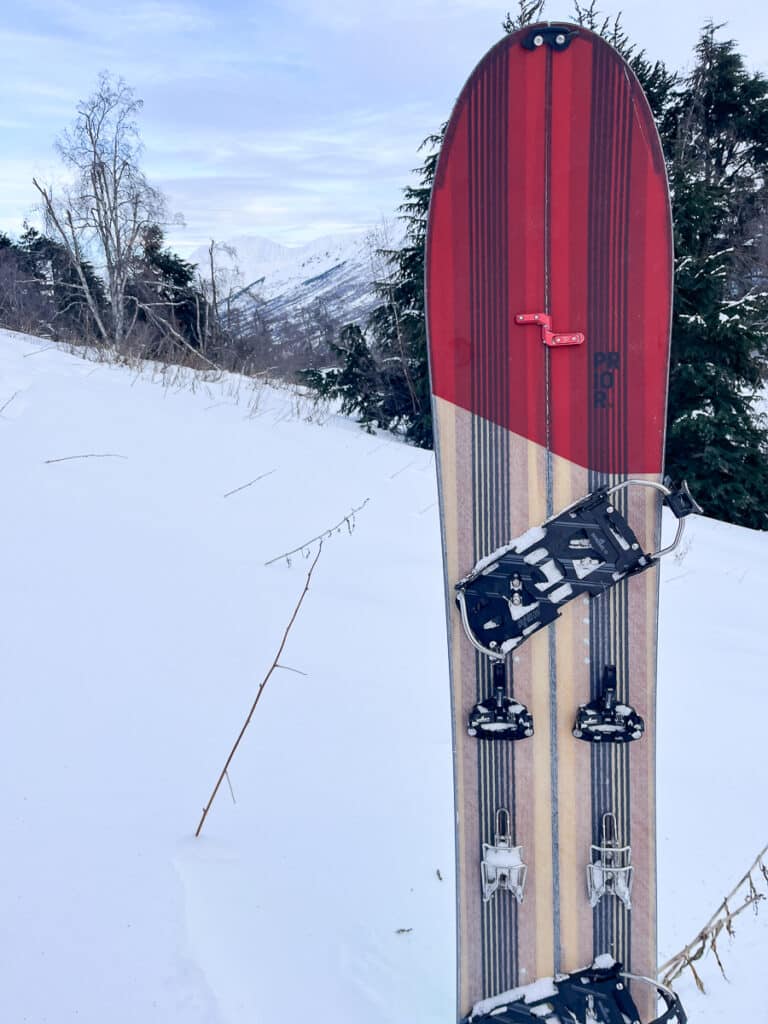
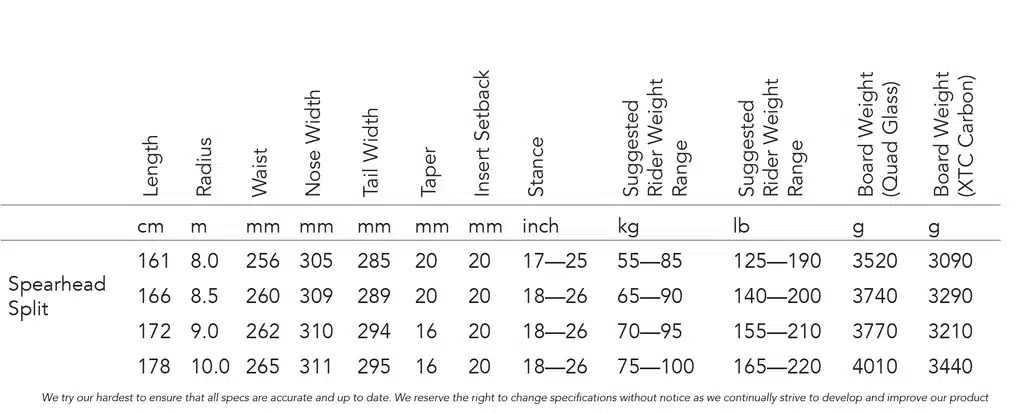
Named after the Spearhead range in BC, Prior advertises this as an all-around big mountain board, and it indeed fits into the modern powder shape category of snowboards with what they call “Powder Rocker”. An early rise nose camber underfoot and a rockered tail, this board is meant to charge fast and handle a variety of conditions from high peaks to the meadows. It is available in many lengths: 147, 156, 161, 166, 172, and 178. According to the specs on the Prior website, sizes 166 and below have a wider nose relative to the waist width than sizes 172 and 178 do. The longer boards fit a slightly different niche, and likely ride a bit differently than the sub-166 boards.
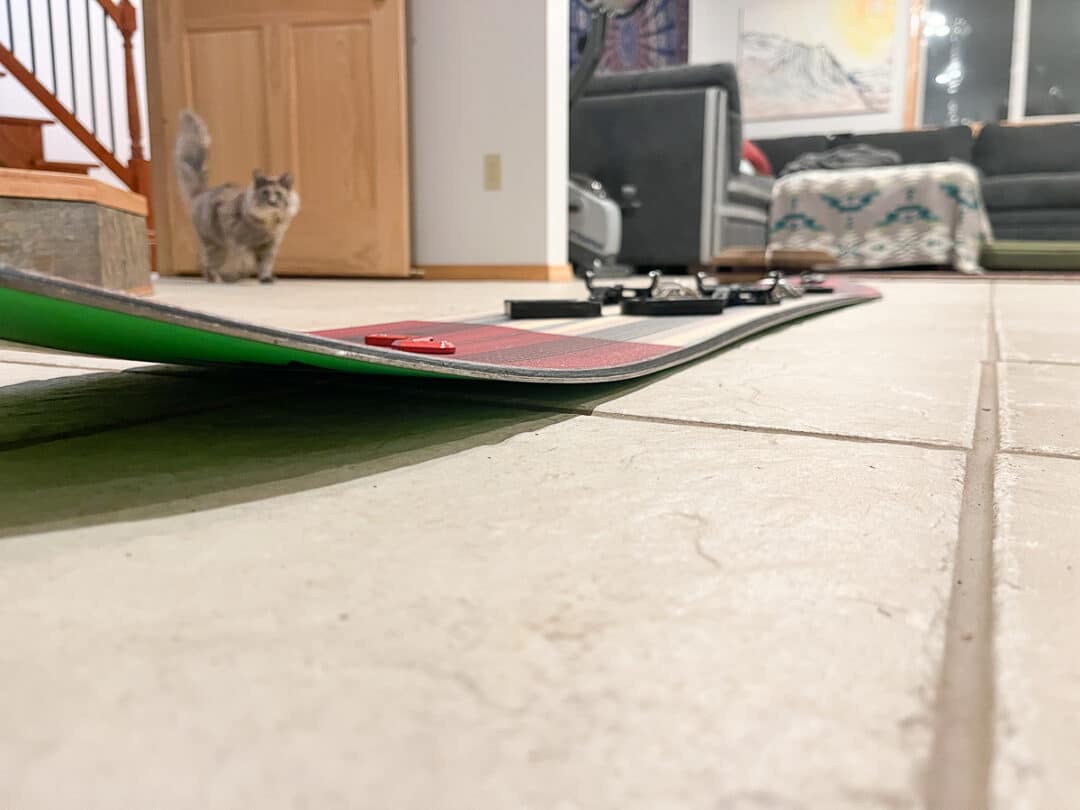
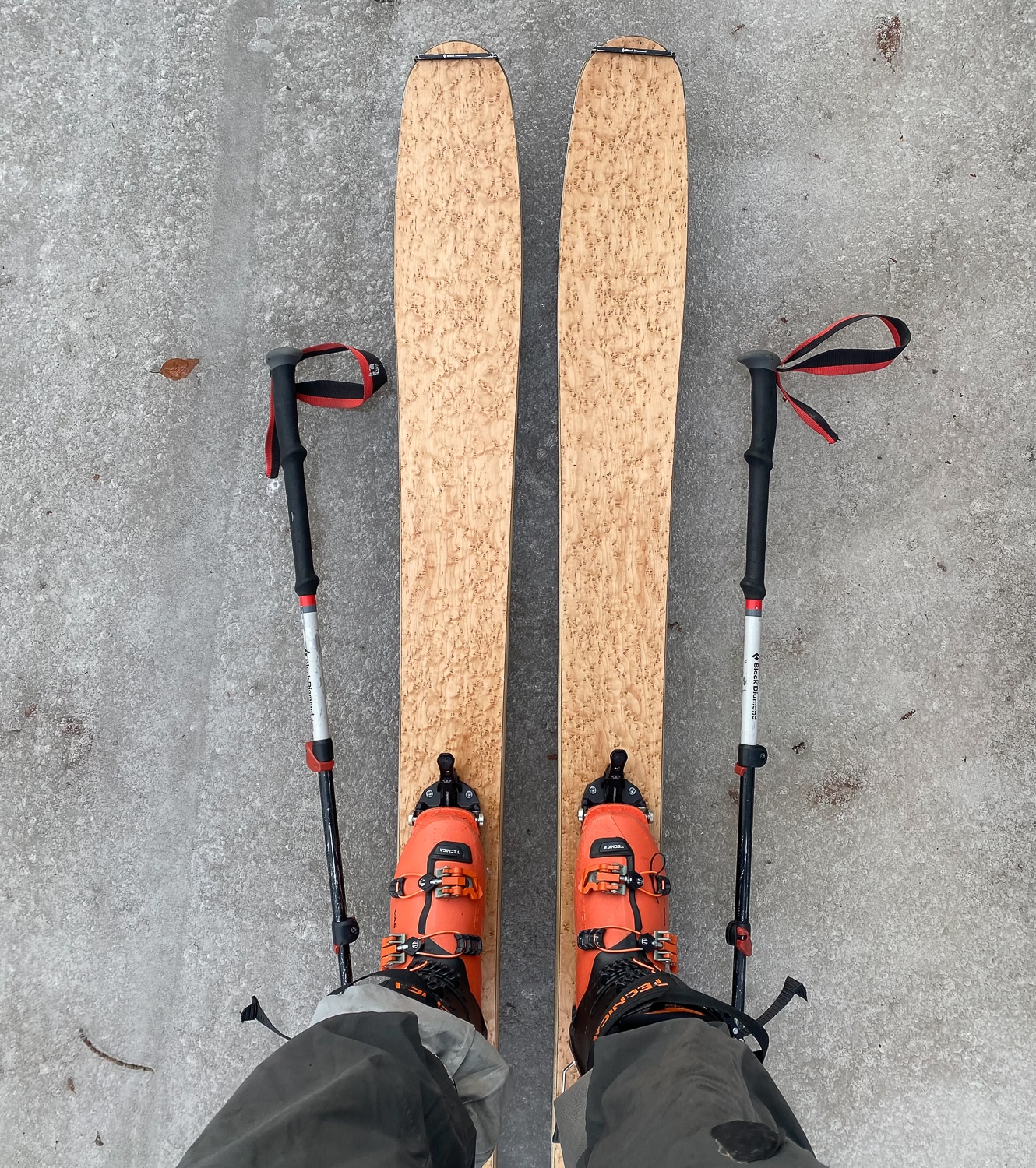
I was intrigued by the waist width of the Spearhead 172. This board is slimmer in the waist than most splitboards I’ve ridden. I wanted to see how skinning/split skiing was on longer, slimmer planks. Despite the slimmer planks, the hope in buying such a long board was to see if it could improve mellow high-danger powder days where you have trouble getting speed in low-angle deep snow, and for making big, fast turns on open faces.
The full fiberglass construction comes in at 3770g (8.3 lbs) and costs $919 without any upgrades. The Carbon offering weighs 3,210g (7.1 lbs), saving significant weight while costing $ 1,102. These weights for this board size seem pretty modest. Prior seems to be taking care during their construction to craft a quality but light splitboard.
The Up
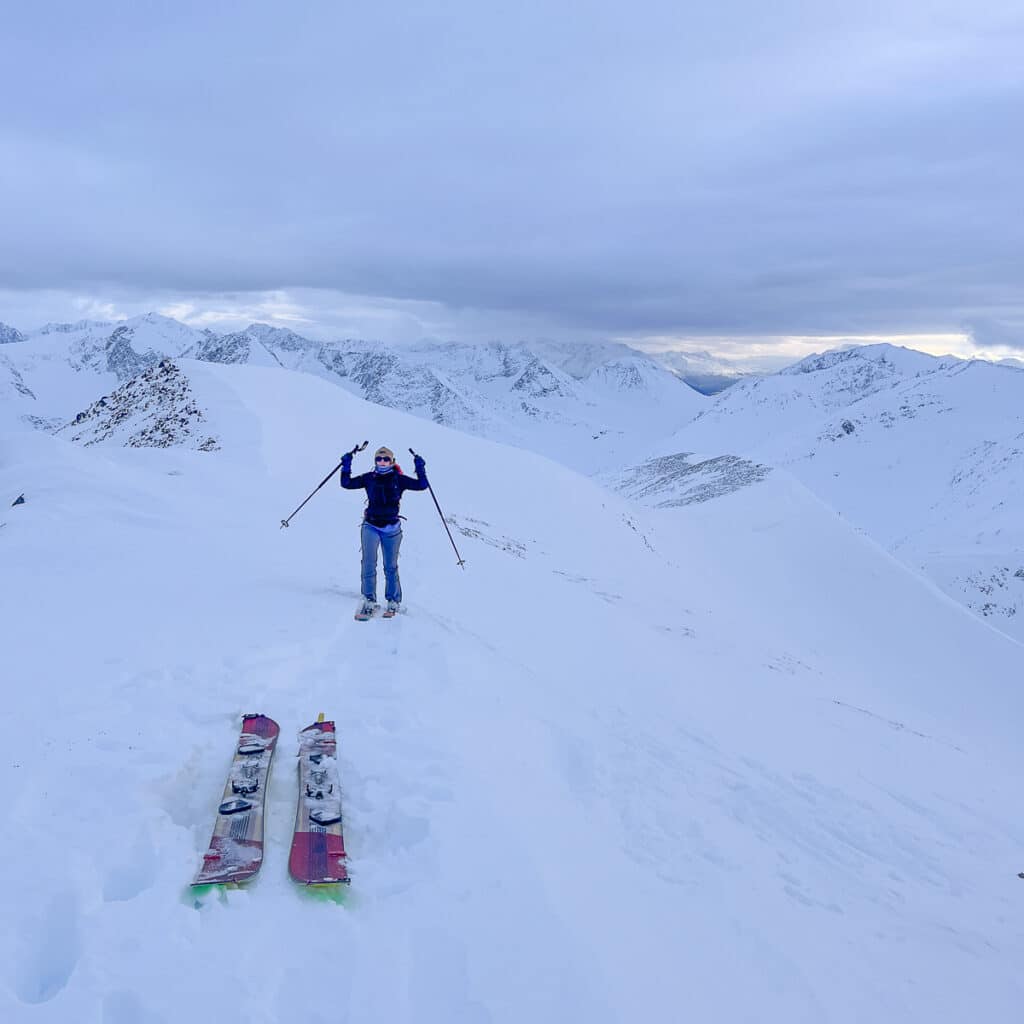
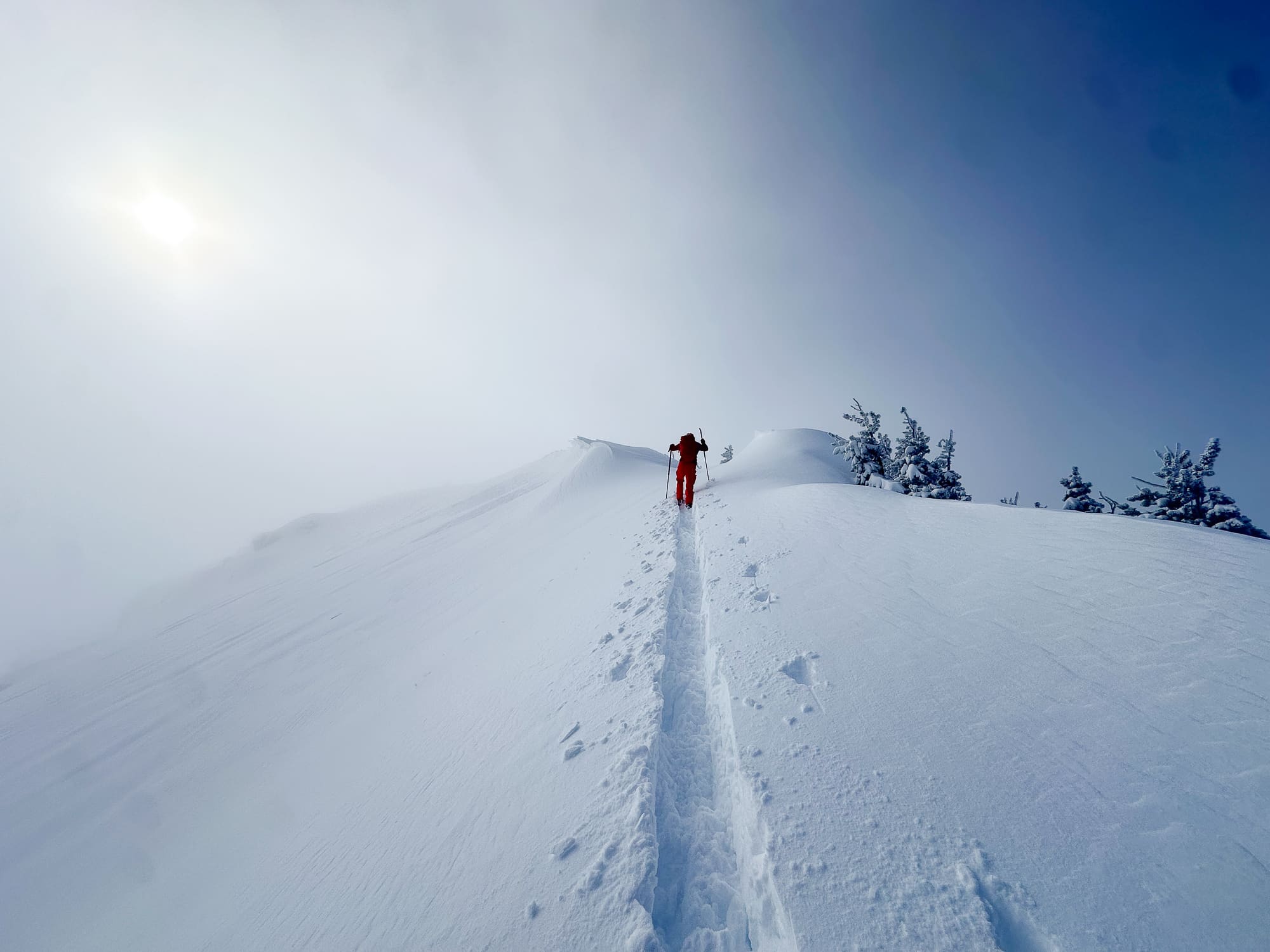
The first day out with the Spearhead, skinning into a local mountain in Seward on a good powder day, I immediately noticed the board’s stability while breaking trail. I had never experienced a splitboard float that well on the approach. Prior to this board, breaking trail in deep powder on a splitboard could feel a bit like snowshoeing. My planks would sink, sometimes at awkward angles, and the mental justification was “oh, well, it’s just a splitboard, this is what they do”. Granted, I am a large guy, 6’2” and 200 lbs, so perhaps this was the first time I had a board that properly fit. Which is a whole other rant I’ll avoid here about board sizing in the splitboard industry.
The board held its edge well sidehilling on the chalky wind-affected snow higher in the alpine. My knees appreciated the thinner waist on the Spearhead while skinning, and the camber underfoot held an edge very well.
The Down
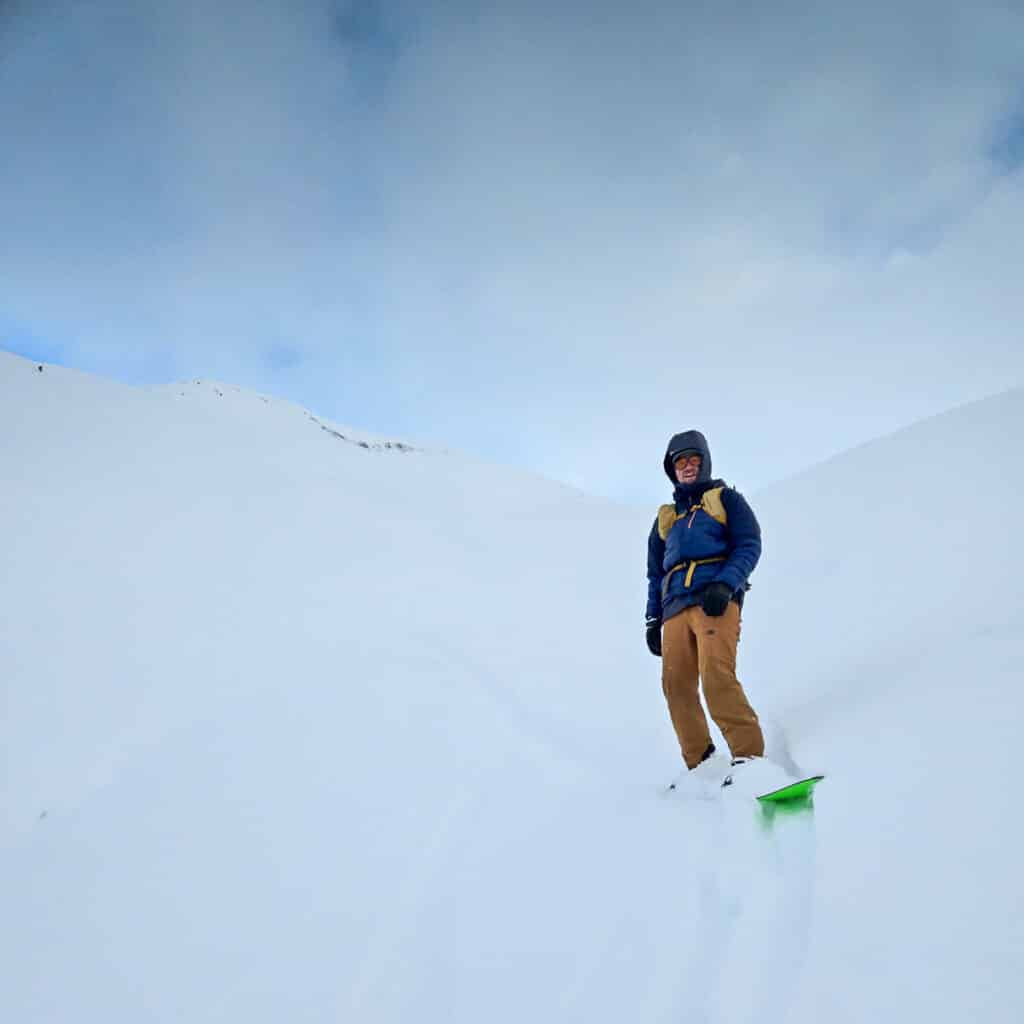
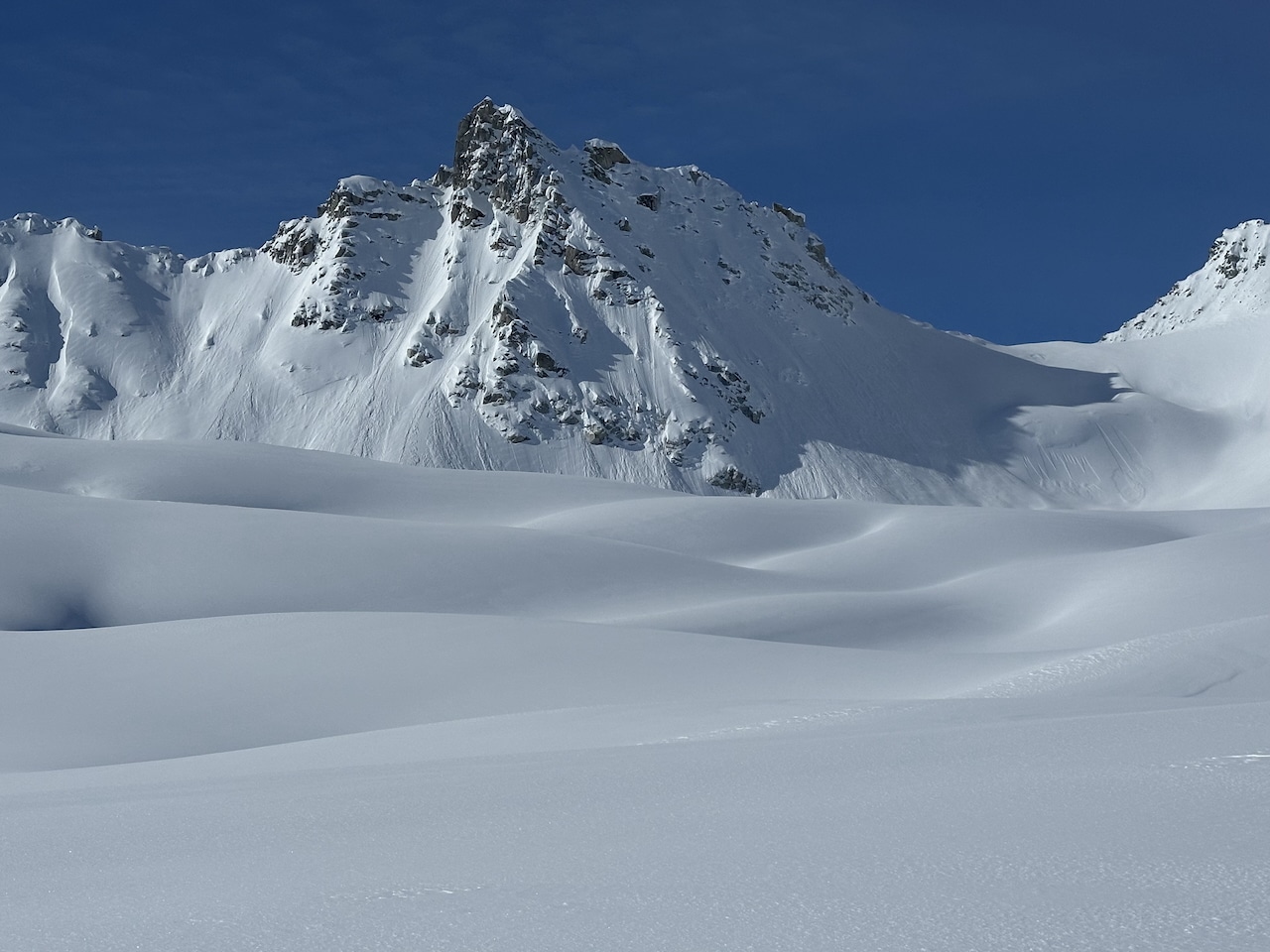
I looked at specs on many different boards before buying the Spearhead. I had an expectation of what this board might ride like. But nervousness took over as we transitioned on top of a steep face, unsure how this large snowboard would perform in the steeps. I was worried I might be along for the ride rather than out for a ride, but after the first couple of low-angle turns as the line rolls over, I got a sense for how the board would slide. The snow was chalky—great, steep skiing snow. And the Spearhead responded accordingly, I was able to tighten up my turns and make controlled jump turns where it counted. I had no heel chatter on the firm surface. I was impressed with my first date with the Spearhead. The nimbleness of this larger board has been the most surprising quality. Despite its length, the early rise nose makes the board surprisingly maneuverable. After enjoying great chalky styrofoam down the steeps, we pointed it down-valley, arcing fast turns through great boot-top powder.
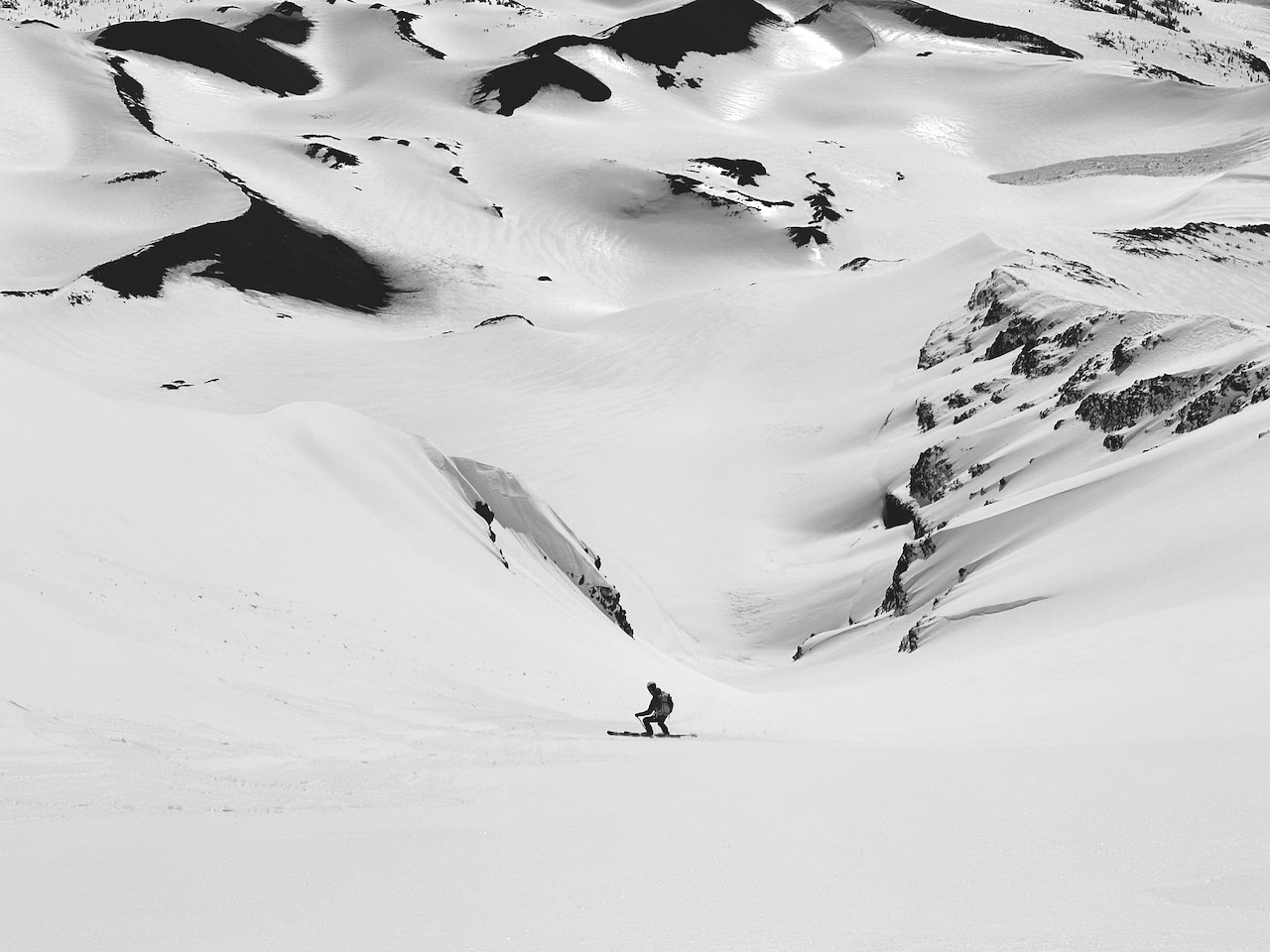
The Spearhead has also excelled on those higher danger days when you are sticking to low-angle terrain. The length of the board provides more surface area, allowing you to pick up the pace on your meadow skipping. Even tight trees, where you might think the board could be a bit much, proved to be a lot of fun. Having ridden this board in Japan and in low-tide Colorado over the holidays, I am continually impressed by its ability to provide a lot of float while remaining nimble. And of course, the board shines on large open panels of snow, where you can make huge turns at top speed with excellent stability. It can definitely provide that, as one would expect.
I have ridden the board a lot since that first day in Seward, and recently came upon this similarity to whitewater boating. Forgive my departure from the frozen water world for a moment, but the Spearhead feels like a whitewater kayak. Let me give you a clearer picture of what I mean. The whitewater kayak is the Ferrari of the whitewater world: fast, nimble, and extremely capable with an experienced, proficient paddler in the cockpit. But, when you put someone who can’t roll in a whitewater kayak, it feels tippy & unstable. I have felt maybe some of the best turns of my life on this board. This board gets your attention. It’s powerful, it’s nimble, and it’s fast, but it rides better when your technique is better. This is not to say you have to be an expert to enjoy the Prior Spearhead, but with the 172 and 178 sizes, you could make the case that they are a bit more suited for an experienced rider, looking for a certain experience.
Split Skiing
Again, the size was intimidating at first. I realize a lot of skis are 172 cm and longer, but I was a bit nervous to split ski this board. In short, the planks provided good float and were nimble. It certainly does take a little thought to turn, and maybe some planning, depending on where you get yourself into, but, like all split skiing, you get the hang of it.
The Last Word
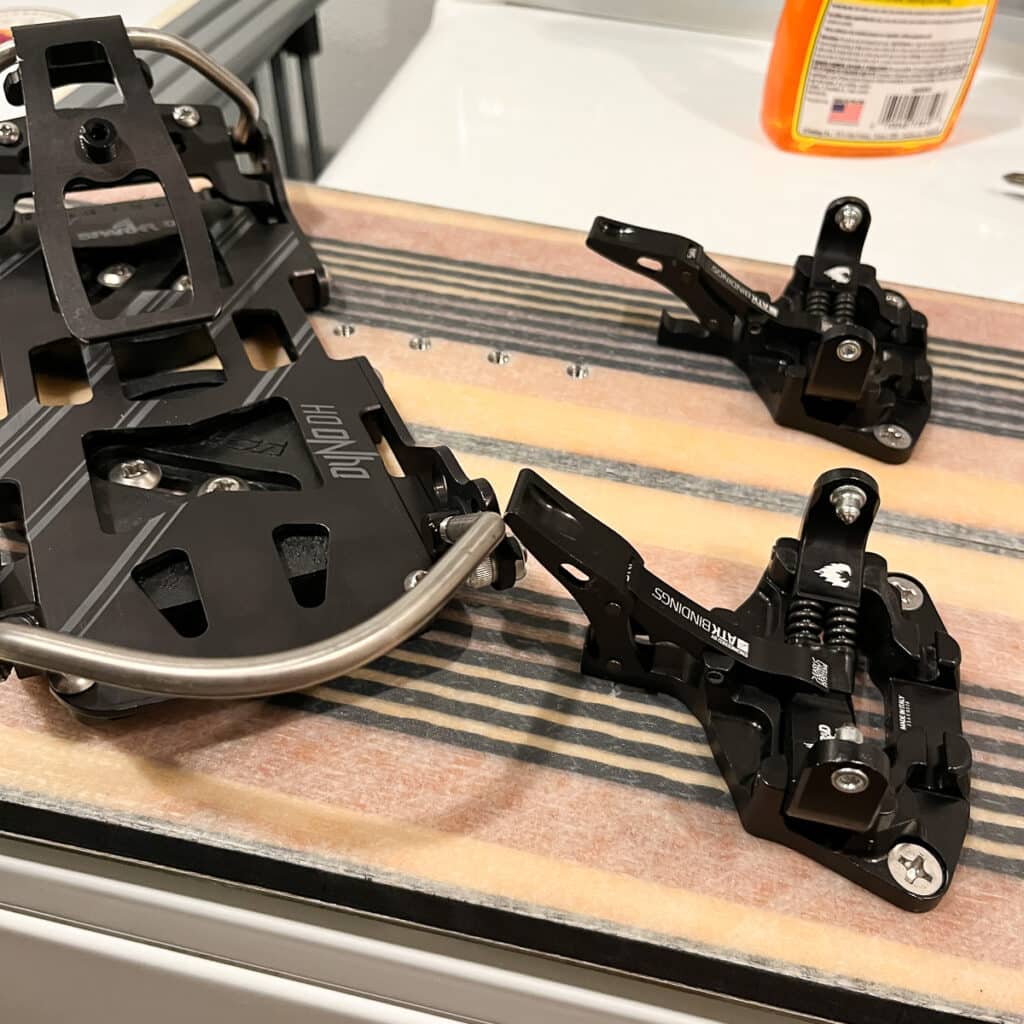
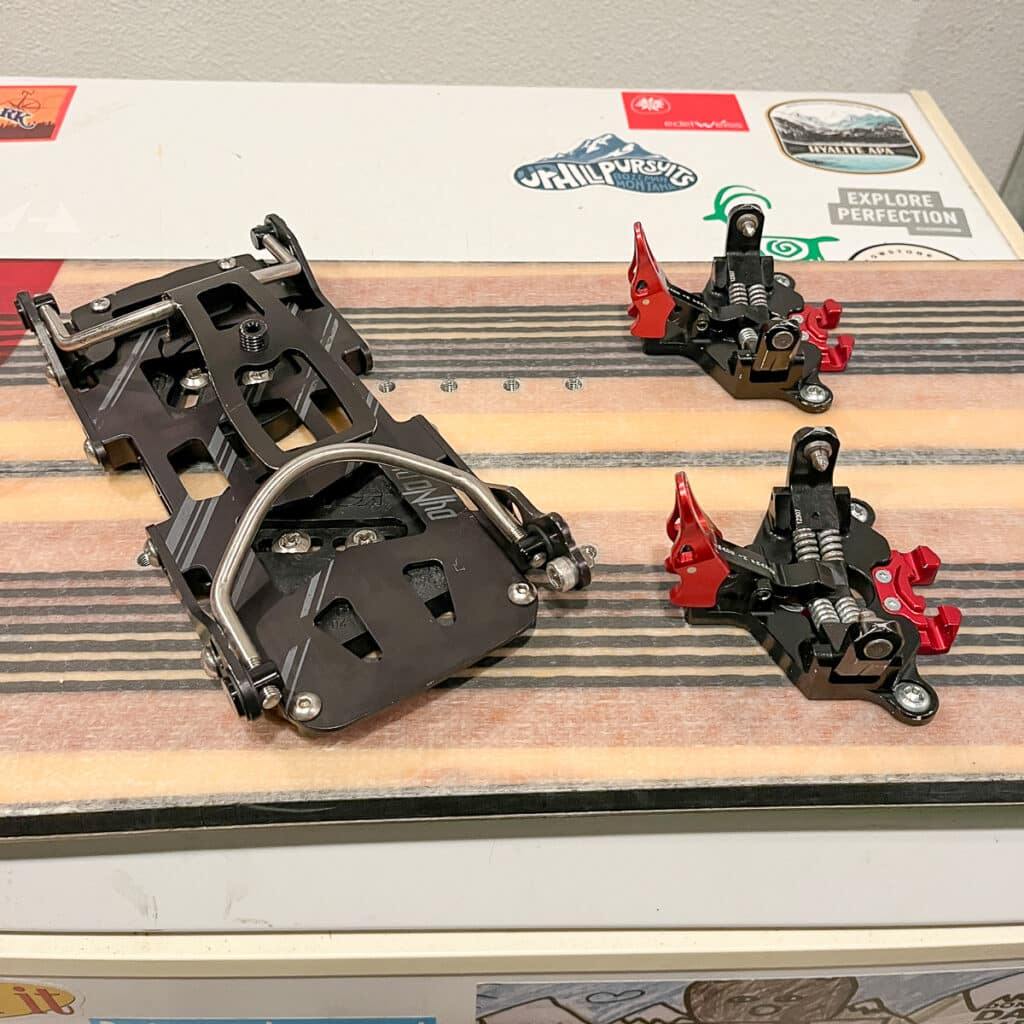
Okay, that was a lot of praise, but I do have a critique of this board. The uphill binding mounts are very close to the front-foot downhill mounts. I have an interference problem with the Spark/ATK toe pieces. The lever from the toe piece can get in the way while sliding the Spark R&D plate bindings on. While this could potentially cause a tech-toe lever to shear off, it also limits how far forward you can angle your front foot, but this is not an issue with the Plum Pekyes. I’ve been able to eke out a positive 37 degrees, and the puck is also in the last hole on my toe side, but bringing the binding back any further than that will interfere with the toe piece. This hole pattern is likely for balance purposes, and will be something I will have to live with. Overall, the downsides are pretty minor or may not exist for some folks given their gear choices.
The range of this board’s capabilities across terrain and conditions has been impressive. Boards this large do get a stigma, which is probably unjustified, as the lore of the Sorels and 178 cm splitboards lingers to this day. These length boards are much more approachable than the average rider would think, and are far more versatile than just skiing big lines.
Specs
Camber: Powder Rocker
Shape: Directional Shape
Core: Vertically Laminated Aspen Poplar core
Base: 4001 Sintered DurasurfTM Base Die Cut
Available Construction: Quad-axial E Glass or XTC Carbon
Sidewalls: UHMW polyethylene sidewalls
Full Specs from Prior
Leave a Reply
You must be logged in to post a comment.