
I have long had cambered skinny skis and a pleasant, easy-turning powder ski. I absolutely loved that powder ski, a pair of Fairweather Cathedrals, for what they are: damp, wide powder snarfflers (go talk to Graham, he really does make some amazing, beautiful skis). Skiing them has always felt like unstructured playtime. Any turn I want…
First Look: Majesty Supernova Carbon
Seeking out a performance powder ski.
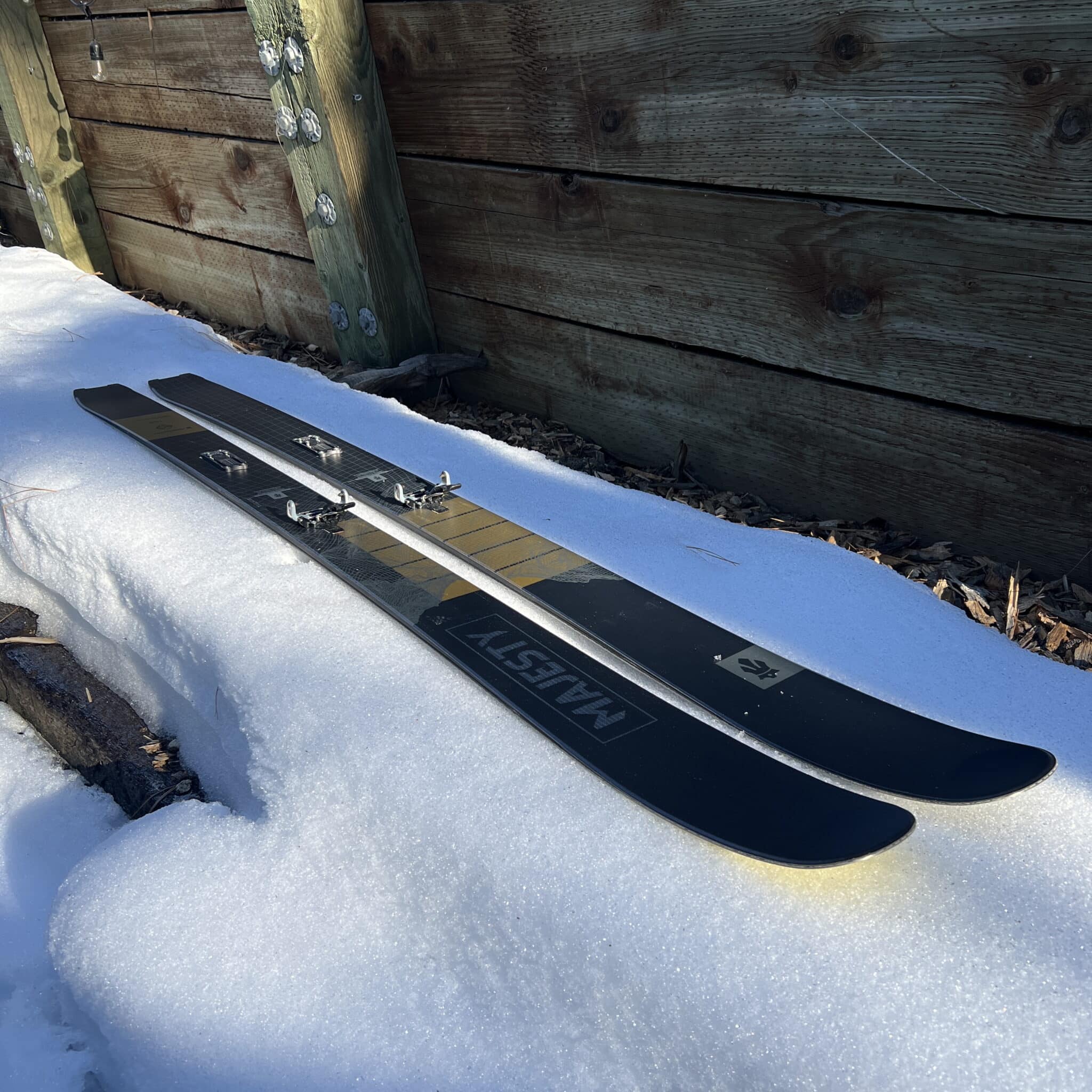
Majesty’s Supernova Carbon. The test pair, at 185cm, boasts 105mm underfoot and a 22m radius.
Responses
-
“you can laugh from your cambered throne, only to get bucked in the crust down below.”
I look forward to whatever you have to write.
-
You’re making me blush, Pete
-
Latest Features
-
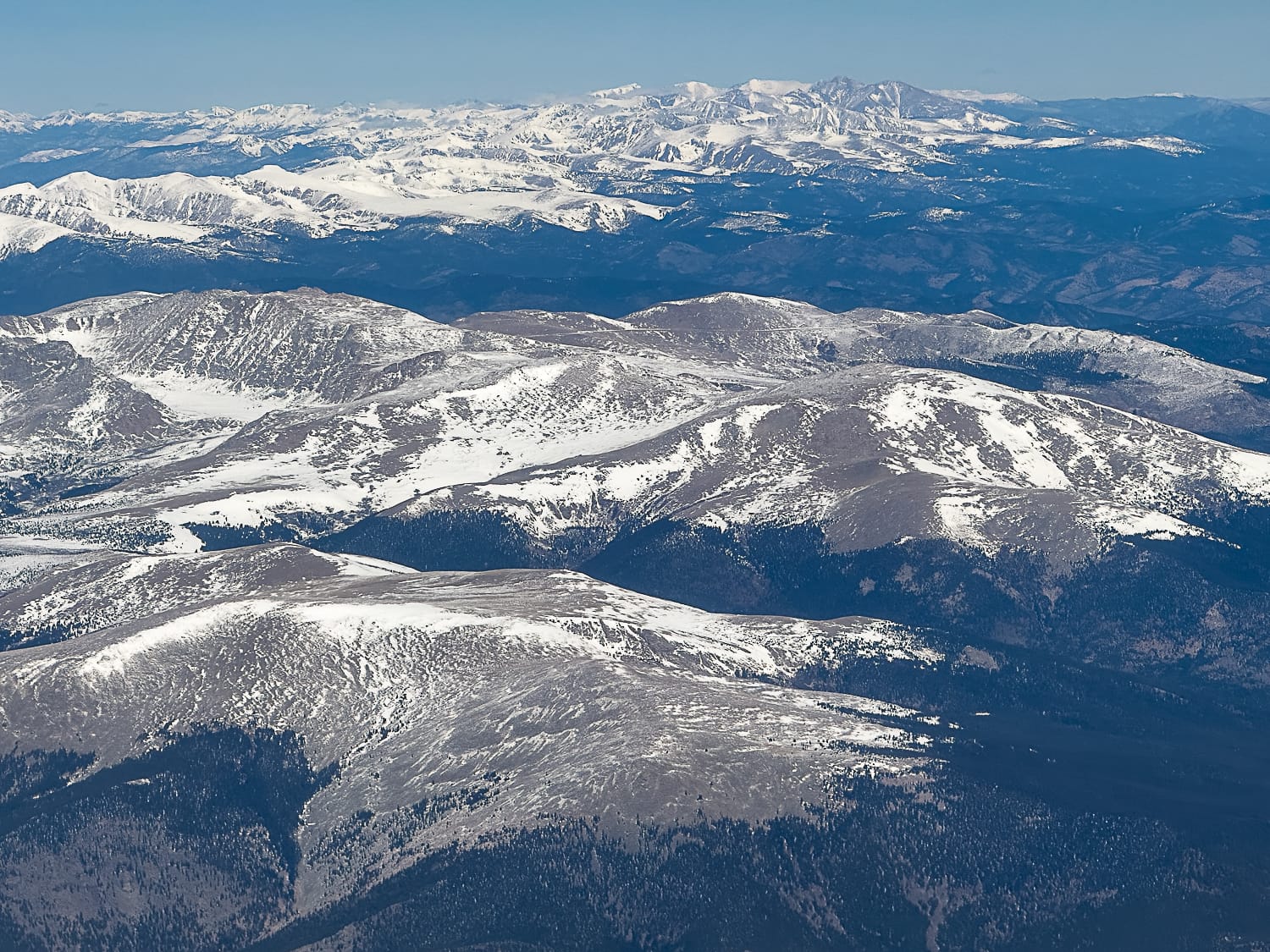
Aerial view of the snow drought in Colorado's Rocky Mountains on March 4, 2026. Photo: Mitch Tobin
The High Route Podcast: The Snow and Water Episode
With Journalist Mitch Tobin.
-
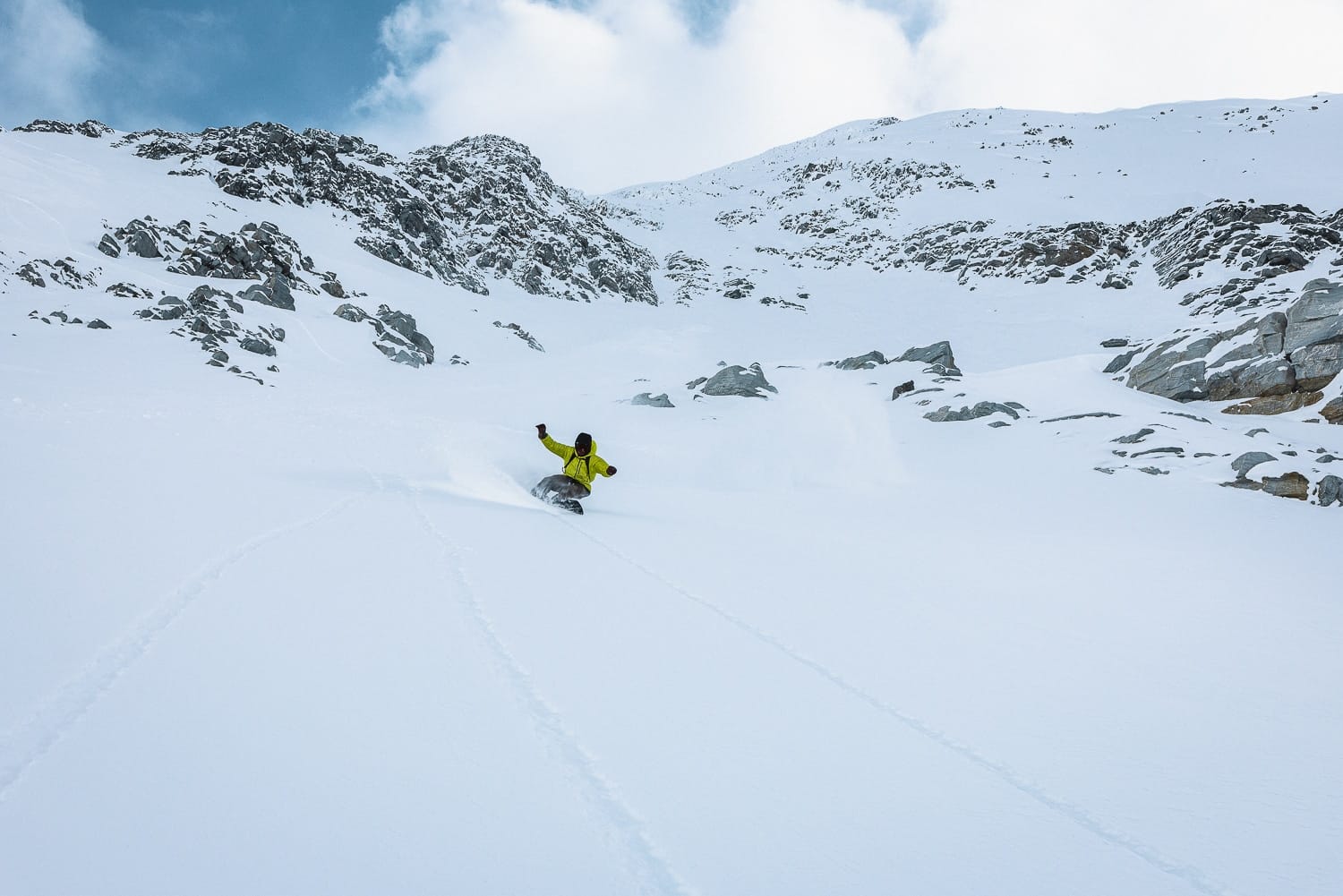
A multi-faceted Zahan Billimoria finds his riding flow. Photo: Matthew Tufts
The High Route Podcast: Part 2 with Zahan Billimoria
Touring Like A Naturalist.
-
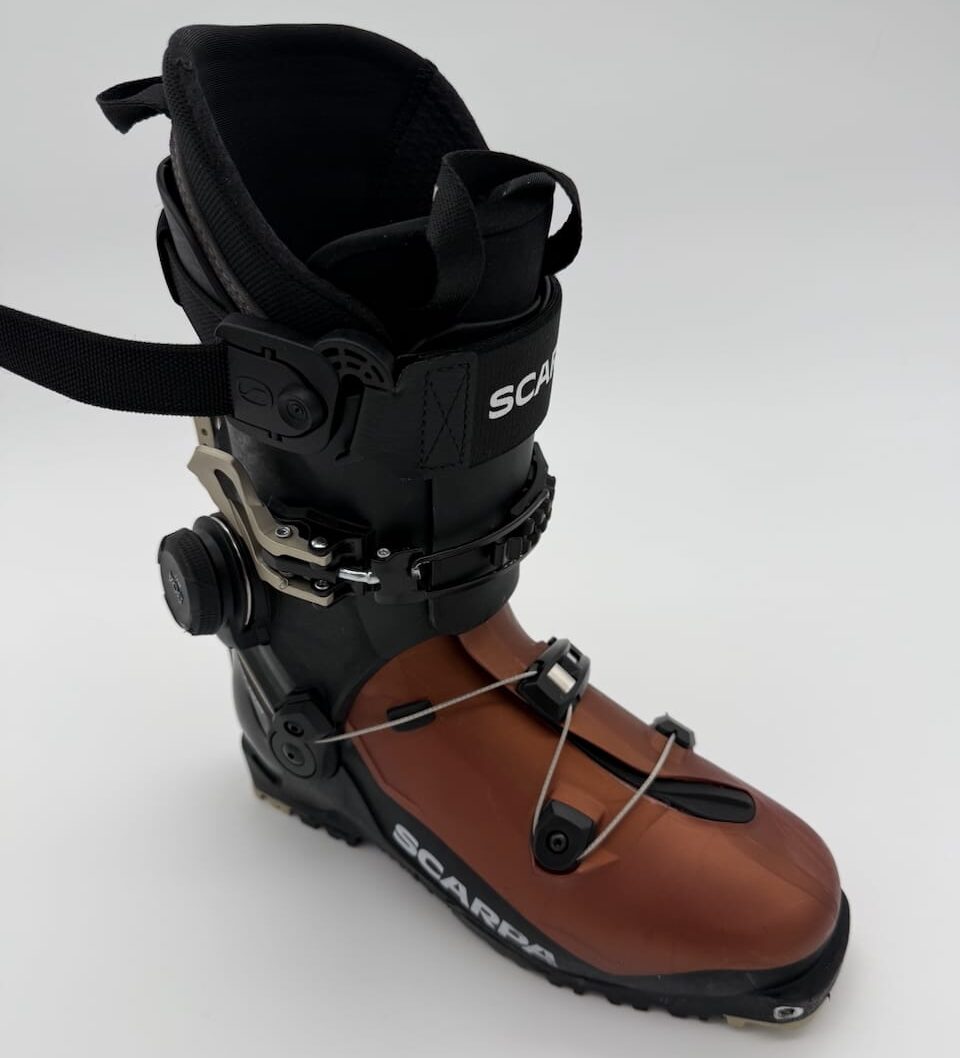
Scarpa’s new F1 RS boot features the BOA H+1 system: a first for a boot under 1800g.
Review: Scarpa F1 RS Touring Boot
-
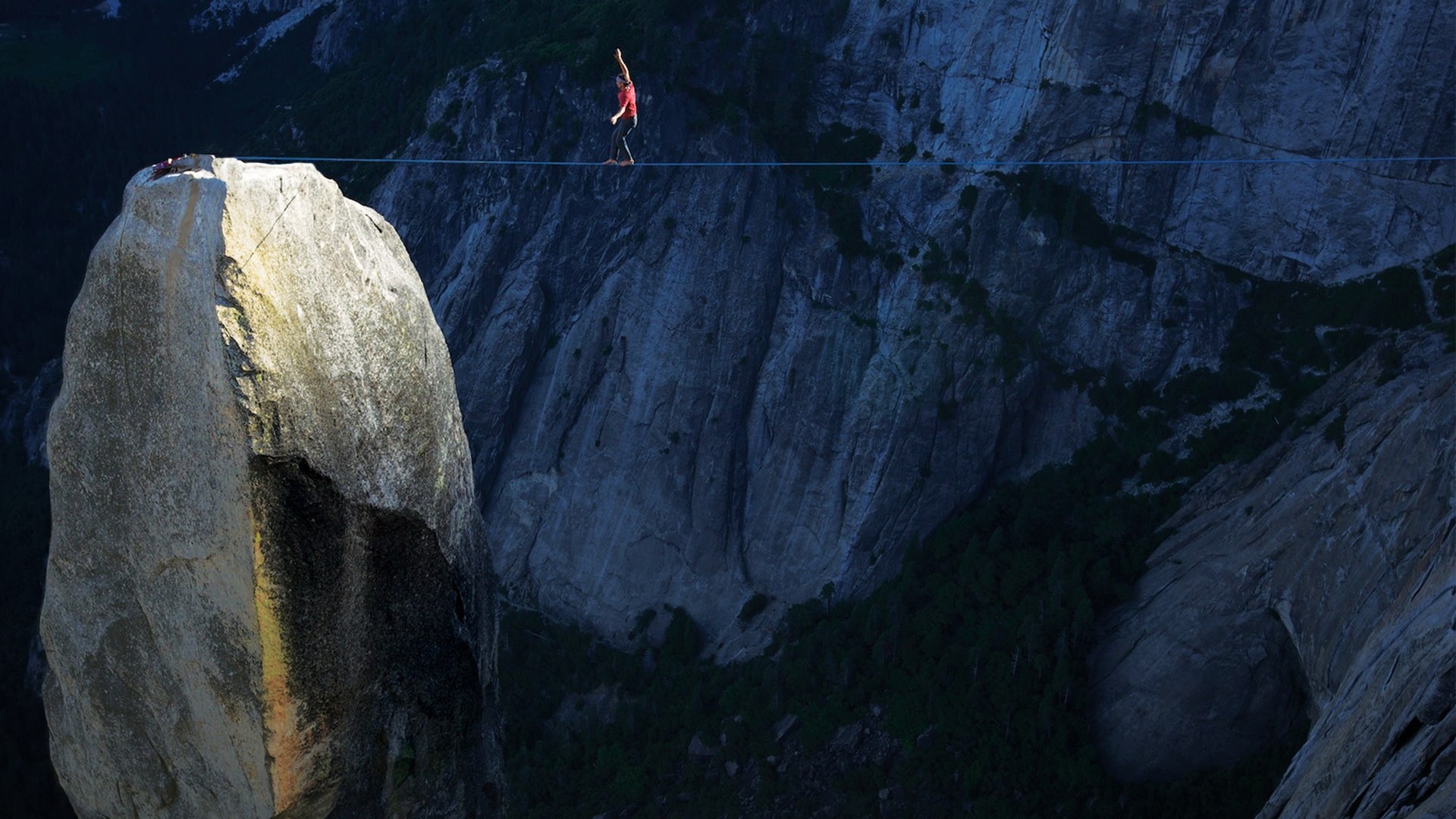
Dean Potter highlining toward Yosemite’s Lost Arrow Spire. Photo: HBO/The Dark Wizard
The Dark Wizard Breaks Through the Noise
This four-part HBO documentary on Dean Potter shines.
Leave a Reply
You must be logged in to post a comment.